Thesis/Dissertation: Martin Drah: Tackling Energy Poverty in the Global South: A Ghanaian Perspective
Master's thesis
Tackling Energy Poverty in the Global South: A Ghanaian Perspective
Abstract
Energetická chudoba zůstává kritickým problémem ve venkovských komunitách po celém světě, přičemž více než 1,6 miliardy lidí nemá přístup ke spolehlivé elektřině. Globální iniciativy, jako je sedmý cíl udržitelného rozvoje Organizace spojených národů (SDG7), mají za cíl zajistit univerzální přístup k cenově dostupné, spolehlivé a moderní energii do roku 2030. Tyto snahy však často přijímají přístup …more
Abstract
Energy poverty remains a critical issue in rural communities worldwide, with over 1.6 billion people lacking access to reliable electricity. Global initiatives, such as the United Nations' Sustainable Development Goal Seven (SDG7), aim to ensure universal access to affordable, reliable, and modern energy by 2030. However, these efforts often adopt a top-down, techno-material approach that may not reflect …more
Thesis description
Energy poverty remains a critical issue in rural communities worldwide, with over 1.6 billion people lacking access to reliable electricity. Global initiatives, such as the United Nations' Sustainable Development Goal Seven (SDG7), aim to ensure universal access to affordable, reliable, and modern energy by 2030. However, these efforts often adopt a top down, techno material approach that may not reflect the actual needs and experiences of energy poor households, particularly in the Global South. This thesis analyzes a specific rural electrification policy in Ghana, the Self-Help Electrification Programme (SHEP) component of the National Electrification Scheme (NES). The study argues that despite increased electricity access, significant challenges persist due to energy injustices, particularly in recognizing and addressing the unique needs of local households. Using semi structured interviews and participatory observation, the research provides deep insights into the complex nature of energy poverty and the effectiveness of current interventions. Guided by the Energy Cultures Framework and the Energy Wellbeing Framework, the study highlights the importance of a nuanced approach that considers the specific needs of rural households to achieve energy justice and improve their wellbeing. The findings aim to inform policy amendments and contribute to the broader discourse on energy poverty in the Global South, especially in Sub Saharan Africa.
Keywords: Energy poverty, Energy Justice, Wellbeing, Rural Electrification Policy, Sub Saharan Africa, Ghana
4/12/2024 13:37, doc. Mgr. Hedvika Koďousková, Ph.D., UČO 103008
 English
Theses on a related topic
List of theses with an identical keyword.
-
Energy Poverty in Kenya: When Development Projects Fall Short – The Case of Lighting Africa
Bc. Emilie Kadlecová -
The role of the New Green Savings Light subsidy programme in tackling energy poverty
Mgr. Aneta Kudolániová -
The Czech Coal Commission through the Lens of Energy Justice
Mgr. Michaela Hronová -
Perception of energy justice from the perspective of political representatives of local communities during the completion of units 3 and 4 of the Mochovce nuclear power plant
Mgr. Marek Kršák -
Case study of policy measures tackling Energy Poverty in Slovakia
Mgr. Dominik Bořuta -
Impacts of low-carbon transition on energy vulnerable households
Mgr. Romana Geršicová -
Energy efficiency as a form of combating energy poverty in Slovakia
Ing. Patrícia Guzlejová -
Welfare economics: today importance for economic theory
Ing. Petr Drlík, UČO 135005
Folders
Files
-
Přidání souboru
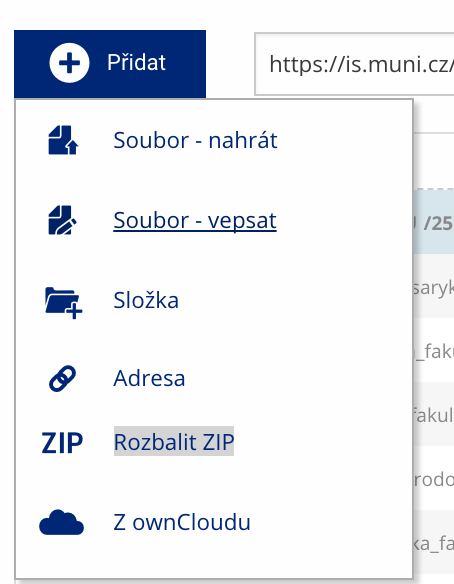 Soubor nebo složku lze nahrát pomocí tlačítka Přidat.
 -
Další operace se soubory
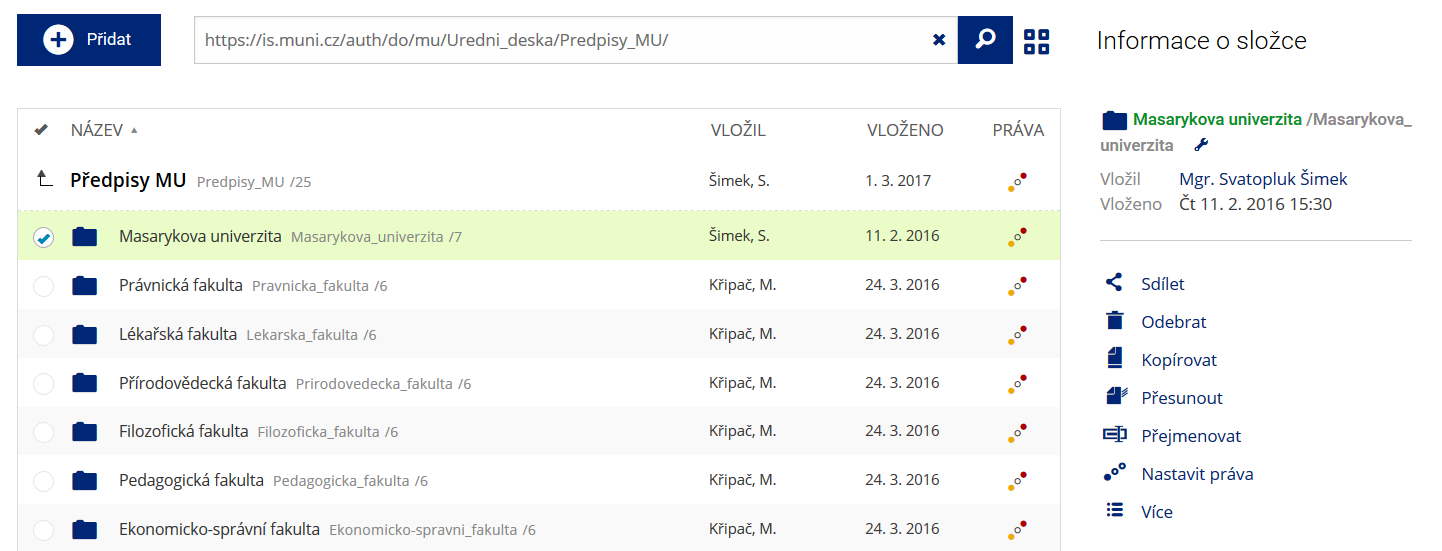 Podrobnosti lze zjistit označením příslušného řádku.
 -
Pohled pro experty
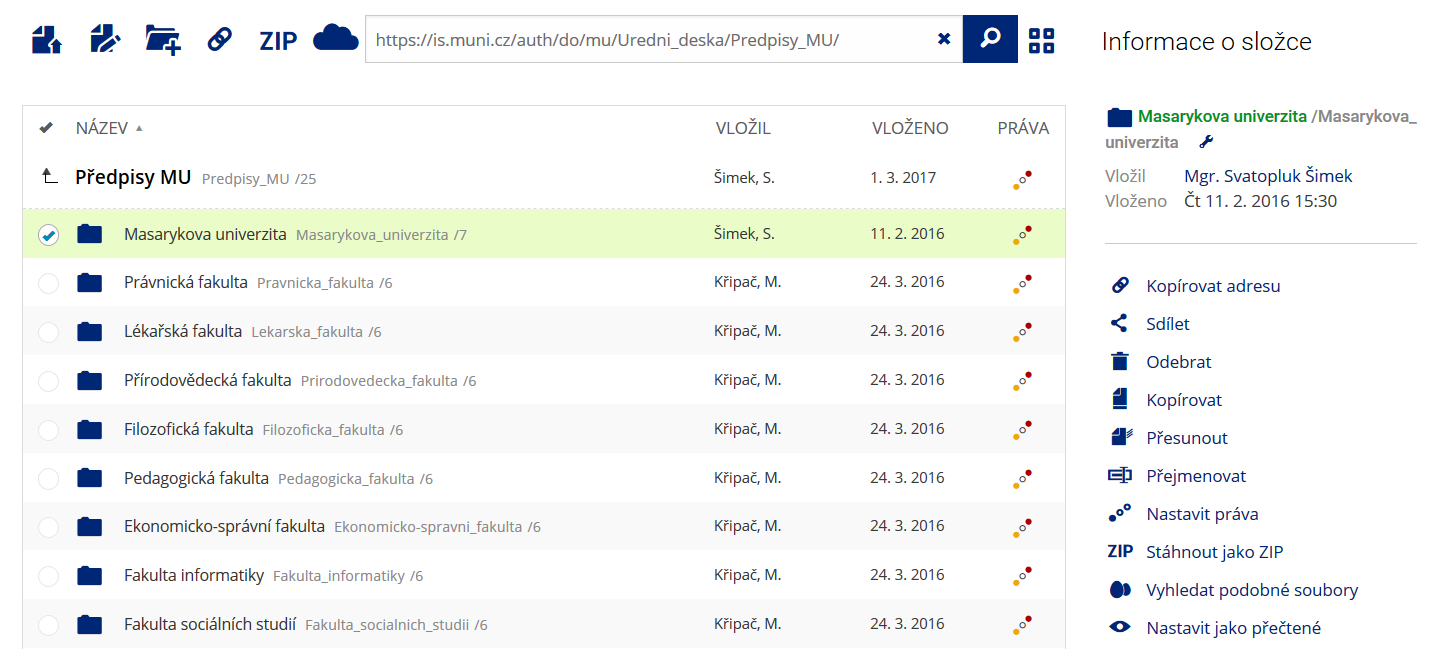 Pro častou práci je možné zvolit režim Více možností.
 -
Vyhledávání souborů
 Vyhledávaný výraz můžete zadat přímo do adresního řádku.
 -
Rychlý přístup k souborům
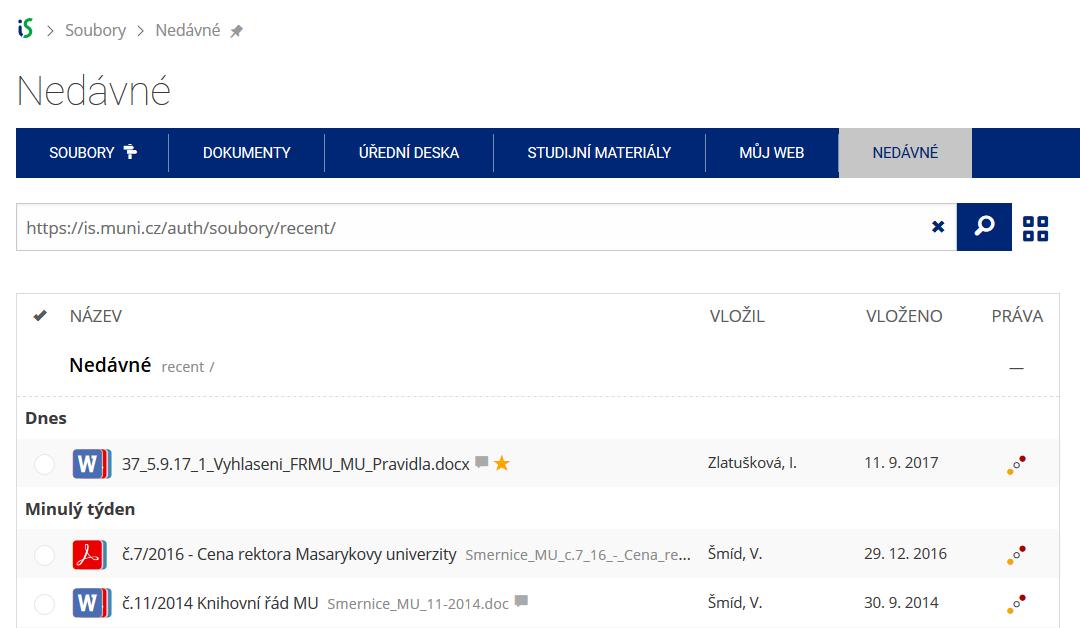 Pomocí funkce Nedávné je možné se rychle vrátit k právě prohlíženým souborům. Oblíbené soubory je také možné označit Hvězdičkou.