Thesis/Dissertation: Bc. Pavel Kosík: Atmospheric plasma modification of graphene oxide -based nanomaterials
Master's thesis
Atmospheric plasma modification of graphene oxide -based nanomaterials
Využití atmosférického plazmatu pro modifikaci nanomateriálů na bázi grafen oxidu
Abstract
V rámci této diplomové práce studujeme proces plazmové redukce oxidu grafenu pomocí DCSBD výboje v dusíkové atmosféře a plazmovou modifikaci oxidu grafenu a redukovaného oxidu grafenu v různých pracovních plynech s cílem funkcionalizovat materiál dusíkem. Redukovány byly samonosné papíry oxidu grafenu i papíry lisované na substrát. Při procesu redukce samonosných papírů jsme pozorovali exotermickou …more
Abstract
In this master's thesis, we study the process of plasma reduction of graphene oxide using DCSBD discharge in a nitrogen atmosphere and plasma modification of graphene oxide and reduced graphene oxide in various working gases with the aim of nitrogen functionalization of the material. We studied the possibility of plasma reduction of self-standing graphene oxide papers and papers pressed onto substrates …more
Thesis description
14/5/2024 07:07, RNDr. Richard Krumpolec, PhD., UČO 235947
 Czech
Theses on a related topic
List of theses with an identical keyword.
-
Utilization of reduction plasma for surface treatment of nanostrucured materials
Mgr. Vít Richter -
Laser-induced resonance fluorescence as a diagnostic technique in reactive plasmas
Mgr. Jan Voráč, Ph.D., UČO 175282 -
Utilization of dielectric barrier discharge for nanofiber material treatment
Bc. Matúš Pilinský -
Activation and cleaning of glass using non-thermal plasma at atmospheric pressure
Mgr. Slavomír Sihelník, Ph.D., UČO 408567 -
Study and comparison of atmospheric plasma systems for surface modification of materials
Bc. Adam Novak, UČO 505431 -
Plasma treatment of wood
Mgr. Zuzana Košelová -
Comparison of traditional and non-traditional paper cleaning methods
Bc. et Bc. Venuše Jasmína Vokurková -
Preparation of nanofibers by electrospinning process and the treatment by electrical plasma discharges
Mgr. Ľubomíra Valová
Folders
Files
-
Přidání souboru
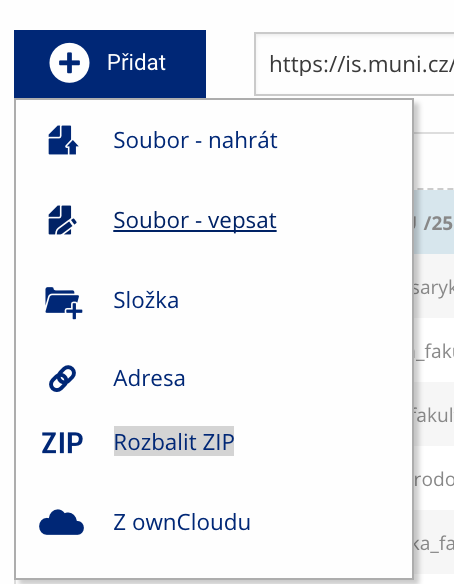 Soubor nebo složku lze nahrát pomocí tlačítka Přidat.
-
Další operace se soubory
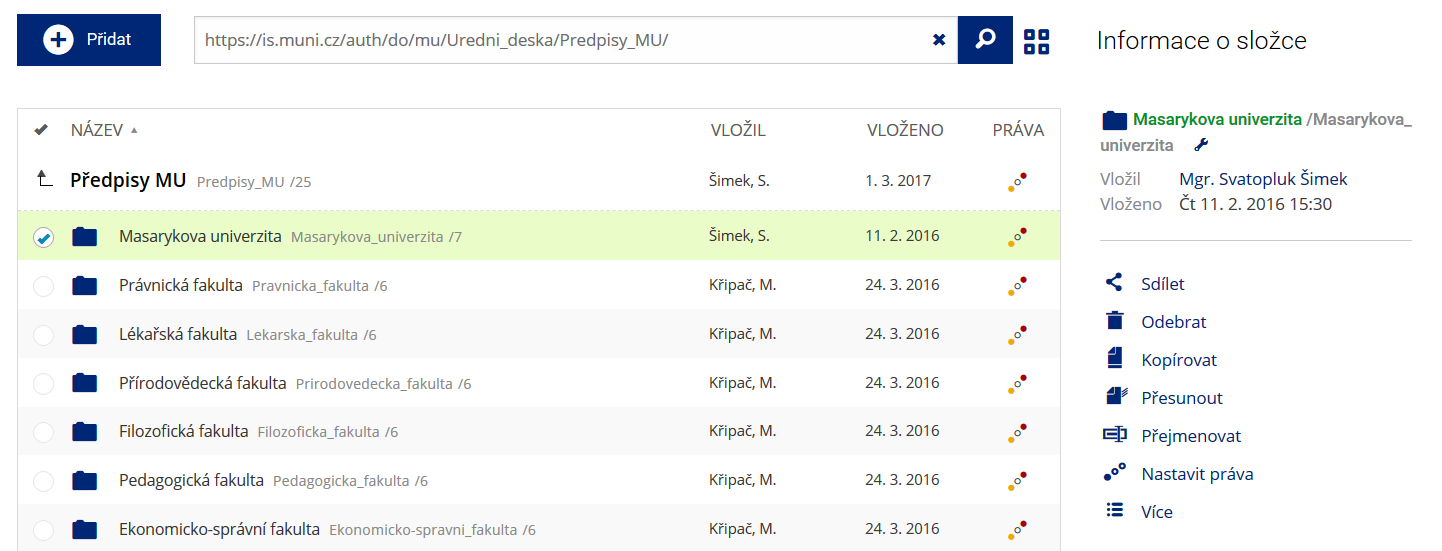 Podrobnosti lze zjistit označením příslušného řádku.
-
Pohled pro experty
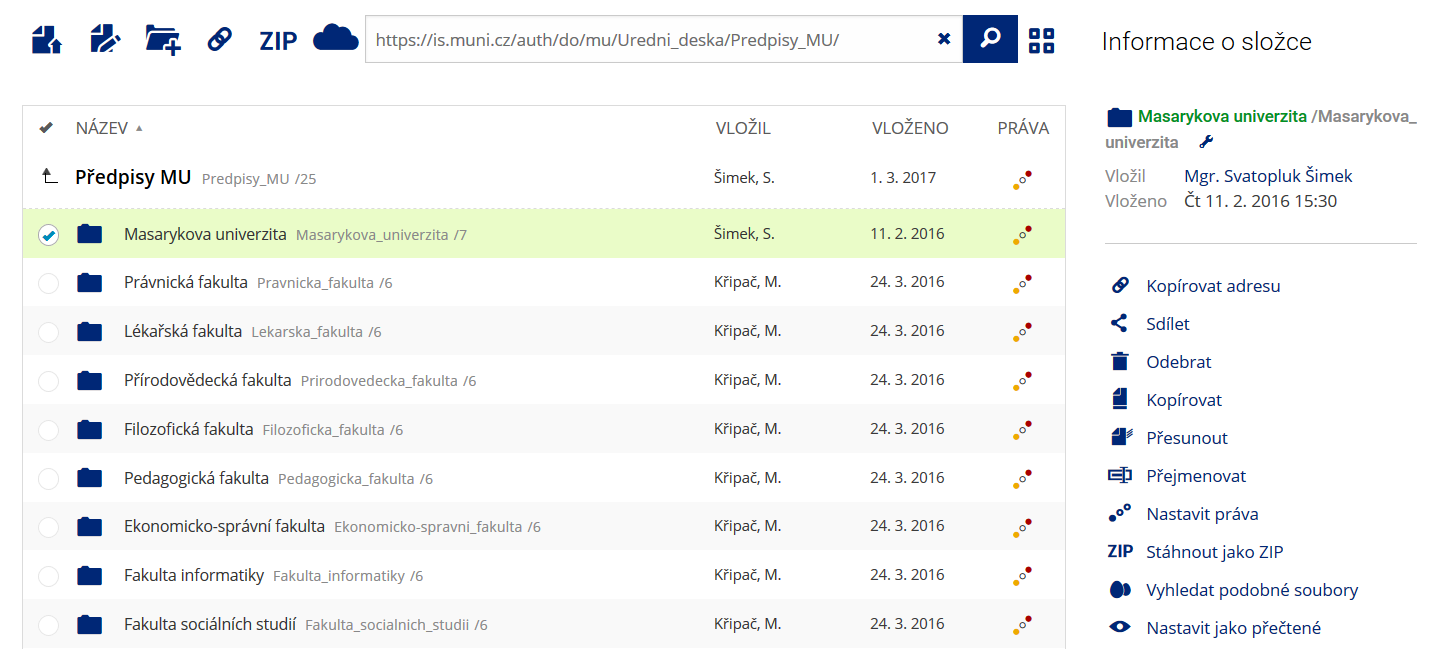 Pro častou práci je možné zvolit režim Více možností.
-
Vyhledávání souborů
 Vyhledávaný výraz můžete zadat přímo do adresního řádku.
-
Rychlý přístup k souborům
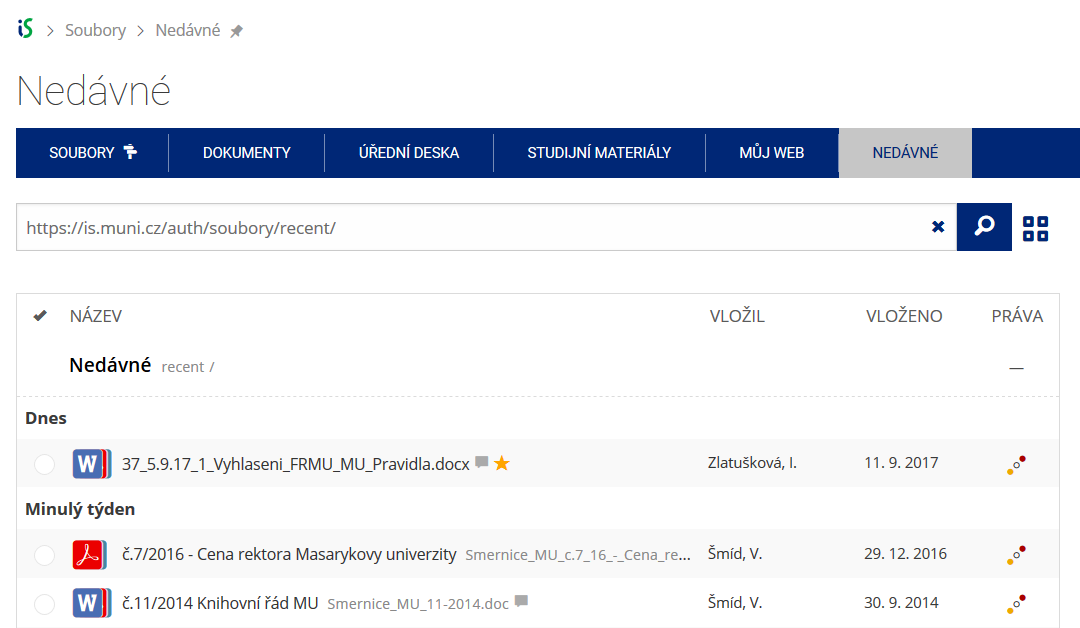 Pomocí funkce Nedávné je možné se rychle vrátit k právě prohlíženým souborům. Oblíbené soubory je také možné označit Hvězdičkou.