Anotace
Mezinárodní spolupráce při správě daní je jedním z efektivních
prostředků boje proti mezinárodnímu vyhýbání se daním a daňovým
únikům. Výměna informací se zahraničními daňovými správami
přispívá ke zjištění velkého množství údajů o daňových
subjektech, které by daňová správa sama nebyla schopna zjistit
bez zahraniční pomoci.
S postupnou liberalizací a globalizací národních
ekonomik její význam neustále narůstá.
Před vstupem České republiky do Evropské unie byla
mezinárodní spolupráce při výměně informací realizována pouze
na základě mezinárodních smluv, jimiž je Česká republika
vázána. Jedná se o smlouvy o zamezení dvojího zdanění v oboru
daní z příjmu, resp. příjmu a majetku, které jsou uzavírány dle
Modelové smlouvy OECD (Organizace pro ekonomickou spolupráci a
rozvoj). Ustanovení o výměně informací je obsaženo většinou
v článku 25 až 27 této smlouvy. Tyto smlouvy mohly obsahovat
buď tzv. úzkou klauzuli (viz. Rakousko) či tzv. širokou
klauzuli (viz. Německo), které stanovovaly rozsah případné
výměny, tj. jaké informace jsou smluvní státy povinny
poskytnout.
V případě široké klauzule, která byla obsažena ve
většině uzavřených smluv si příslušné úřady smluvních států
vyměňují nejen informace nutné pro aplikaci ustanovení smluv,
ale i pro provádění vnitrostátních právních předpisů, které se
vztahují na daně, jež jsou předmětem smlouvy. Státy se tak
zavazují poskytovat i údaje týkající se jednotlivých daňových
subjektů.
V případě úzké klauzule se státy zavazují poskytnout
pouze informace nutné pro aplikaci ustanovení smlouvy. Každý
stát pak svého smluvního partnera obecně informuje o právních
předpisech a správní praxi ve věci daní, na něž se smlouva
vztahuje. Neposkytuje již informace o konkrétních poměrech či
identifikaci jednotlivých daňových subjektů. V této situaci je
možno využít pouze veřejně přístupné údaje. Výměna informací je
takto omezena např. ve smlouvě se Švýcarskem, Rakouskem.
Vzhledem k tomu, že mezinárodní spolupráce byla
realizována pouze na základě mezinárodních smluv, jimiž je
Česká republika vázána a lze za ně považovat pouze zmíněné
smlouvy o zamezení dvojího zdanění v oboru daní z příjmu, resp.
z příjmu a majetku, nebylo v podstatné většině případů možné
realizovat spolupráci se zahraničními daňovými správami v
oblasti nepřímých daní.
Změna situace nastala při vstupu České republiky do
Evropské unie, kdy se vytvořily velmi těsné vazby se
zahraničím. Velmi často se setkáváme
se složitými, komplikovanými vztahy mezi subjekty a s tím
bezprostředně souvisejícími složitými a komplikovanými daňovými
vztahy, které často překračují hranice státu.
Nezbytností se stalo přijetí změny i v oblasti
nepřímých daní, kdy se česká daňová správa zapojila do již
existujícího systému Evropské unie - výměny informací v oblasti
daně z přidané hodnoty a spotřebních daní.
Jak je výše uvedeno, před vstupem ČR do EU byla výměna
informací v oblasti nepřímých daní možná jen v případě, kdy
příslušné ustanovení smlouvy o zamezení dvojího zdanění
rozšířilo možnost výměny informací i ve vztahu k daním
nepřímým.
Legislativním rámcem pro realizaci výměny informací je
čl. 26 Modelové smlouvy OECD o zamezení dvojího zdanění.
V jednotlivých případech se vždy postupuje podle
konkrétní smlouvy o zamezení dvojího zdanění. Na půdě EU je na
stejných principech jako modelová smlouva OECD zajišťována
výměna informací na základě Směrnice 77/799/EHS z 19.12.1977,
která je implementována do našeho vnitrostátního právního
předpisu, konkrétně zákona č. 253/2000 Sb., o mezinárodní
pomoci při správě daní.
Mezinárodní pomoc se podle zákona č. 253/2000 Sb., o
mezinárodní pomoci při správě daní týká:
přímých daní, a to v České republice daní z příjmů, daně z
nemovitostí, daně dědické, daně darovací a daně z převodu
nemovitostí, v ostatních státech stejných nebo podobných daní,
které mají charakter daně z příjmu nebo daně z majetku,
daní z pojistného.
Příslušným orgánem pro poskytování mezinárodní
spolupráce je dle ZMPSD obecně stanoveno Ministerstvo financí
ČR.
Ve své diplomové práci jsem se snažila postihnout veškeré
konkrétní formy mezinárodní spolupráce a přiblížit nejen
legislativní rámec, kterým jsou jednotlivé formy mezinárodní
spolupráce při správě daní vymezeny, ale zejména konkrétní
způsoby, prostřednictvím kterých mezinárodní spolupráce
probíhá, z pohledu účasti orgánů veřejné správy, oblastí
daňového řízení a vlastních forem spolupráce.
Svou diplomovou práci jsem rozdělila do několika
oblastí, kterými jsou:
- Mezinárodní spolupráce při výměně informací, kde se zaobírám
problematikou výměny informací na mezinárodní úrovni s
akcentem na daně z příjmů.
- Mezinárodní spolupráce při vymáhání některých finančních
pohledávek, kde se snažím obsáhnout především problematiku
spolupráce při daňových exekucích na mezinárodní úrovni.
- DPH po vstupu ČR do EU, kde se zaobírám zásadní daní EU,
tedy daní z přidané hodnoty a její právní změnou po vstupu ČR
do EU a s tím souvisejícím fungováním v rámci EU. …víceméně
Abstract
International cooperation in tax administration is one of the
most effective measures in the fight against international tax
avoidance and tax evasion. The exchange of information between
foreign tax authorities aids in locating a large quantity of
tax data which the authorities by themselves would be incapable
of uncovering without foreign assistance. Its importance is
constantly growing with the gradual liberalization and
globalization of national economies.
Prior to the entry of the Czech Republic into the European
Union, cross-border information exchange only took place on the
basis of international treaties to which the Czech Republic is
bound. These treaties are designed to limit double taxation in
the sphere of income tax or property taxes, and are based upon
the OECD (Organization for Economic Cooperation and
Development) model treaty. The establishment of information
exchange is provided for primarily in paragraphs 25 to 27 of
this treaty. Such treaties may contain either the so-called
narrow clause (Austria) or the broad clause (Germany), which
determine the extent of potential exchange, i.e., what kind of
information the contracting states are obligated to provide.
Under the broad clause contained in most existing treaties, the
appropriate governmental agencies exchange, in addition to the
information required for carrying out their obligations under
the treaty, information necessary for enforcing the internal
tax codes for those taxes which are subject to the treaty.
States thereby agree to provide information also which concerns
individual tax entities.
Under the narrow clause, states are obligated to provide only
that information necessary for executing the provisions of the
treaties themselves. Each state then generally informs its
contractual partners about tax codes and administrative
activities in those tax matters upon which the treaty touches.
It does not, however, provide information about concrete
relationships nor identify individual tax entities. In this
situation, it is only possible to use publicly available data.
The existing treaties with Switzerland and Austria limit
information exchange in this fashion.
Because of the fact that international cooperation only took
place on the basis of international treaties to which the Czech
Republic is bound, being limited to those above-mentioned
treaties concerned with double taxation of income or property
tax, it was not possible in most cases to cooperate with
foreign tax authorities in the area of indirect taxes.
A change in this situation came about upon the entry of the
Czech Republic into the European Union, which created close
ties with foreign countries. Situations often arise involving
complex relations between entities and correspondingly
complicated tax relationships, frequently extending across
national boundaries.
It has become necessary to accept changes as well in the area
of indirect taxation, in which the Czech tax administration has
been plugged into the existing system within the European Union
information exchange in the area of value-added taxes and
consumer taxes.
As indicated above, before the accession of the Czech Republic
to the European Union, the exchange of information in the area
of indirect taxes was only possible in cases in which the
relevant treaties for limiting double taxation were expanded to
include the possibility of information exchange also with
regard to these indirect taxes.
The legislative framework for realizing information exchange is
given in paragraph 26 of the OECD model treaty for limiting
double taxation.
Individual cases are always approached on the basis of the
particular treaty for the limitation of double taxation. Within
the territory of the EU, the same principles as the OECD model
treaty underlie information exchange made on the basis of
Directive 77/799/EEC, enacted 19/12/1977, which has been
implemented in our internal legal codes as law no. 253/2000
Coll., on international aid in tax administration.
International aid, in keeping with Law no. 253/2000 Coll., on
international aid in tax administration affects:
direct taxes which, in the Czech Republic, comprise income
taxes, property taxes, inheritance taxes, gift taxes and taxes
on the exchange of property, and in other states, similar or
identical taxes having the character of income or property
taxes;
insurance taxes.
The Ministry of Finance of the Czech Republic is ordinarily
designated as the appropriate agency according to the
above-mentioned law on international aid in tax administration.
In this thesis I have attempted to describe all the particular
forms of international cooperation, and to make clear not only
the legislative framework by which individual forms of
cooperation between tax administrations are defined, but
especially the specific methods and means by which
international cooperation proceeds from the standpoint of the
participating public administration agencies, in the area of
tax administration and via special forms of cooperation.
I have divided the thesis into several areas, as follows:
- International cooperation in information exchange, in which I
treat the problem of information exchange at the international
level with an emphasis on income tax.
- International cooperation in the enforcement of financial
claims, in which I attempt to focus in on the problems involved
in cooperation for purposes of tax seizures at the
international level.
- VAT after the entry of the Czech Republic into the EU, in
which I deal with the fundamental "EU tax", the value added
tax, and the legal changes it has brought upon entry of the
Czech Republic into the EU, along with attendant changes in
functioning within the EU framework.
- Consumer taxes after entry of the Czech Republic into the EU,
where, as in the foregoing chapters, I attempt to evaluate the
legislative and operational changes tied to the functioning of
consumer taxes upon entry of the Czech Republic into the EU.
- International tax organizations, in which I detail the most
important organizations of this type and concisely describe
their composition and functioning.
The problems of international cooperation in tax administration
present an entirely new topic that has not been heretofore
worked out in detail. No literature on the topic is thus
available to enlighten or serve as source material.
The matters with which I have concerned myself in this thesis
definitely warrant further exploration and monitoring of their
continuing development. This is especially true from the
standpoint of the individual specific areas of international
cooperation in tax administration.
I find the area of international cooperation in tax
administration quite interesting and, since I speak English and
am intensively studying French, I intend to devote myself
further to this interesting area of law, which will gain
increased significance in the very near future. …víceméně
 čeština
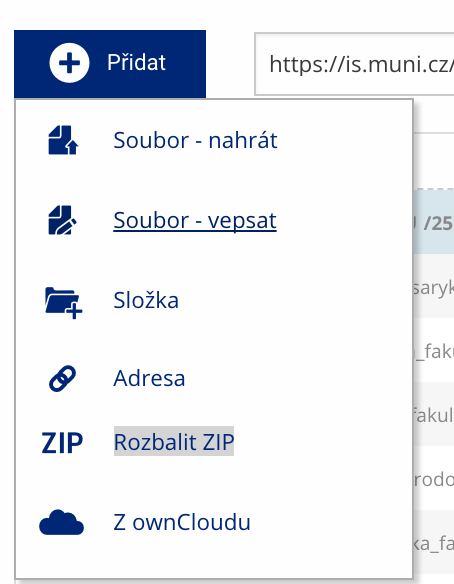 Soubor nebo složku lze nahrát pomocí tlačítka Přidat.
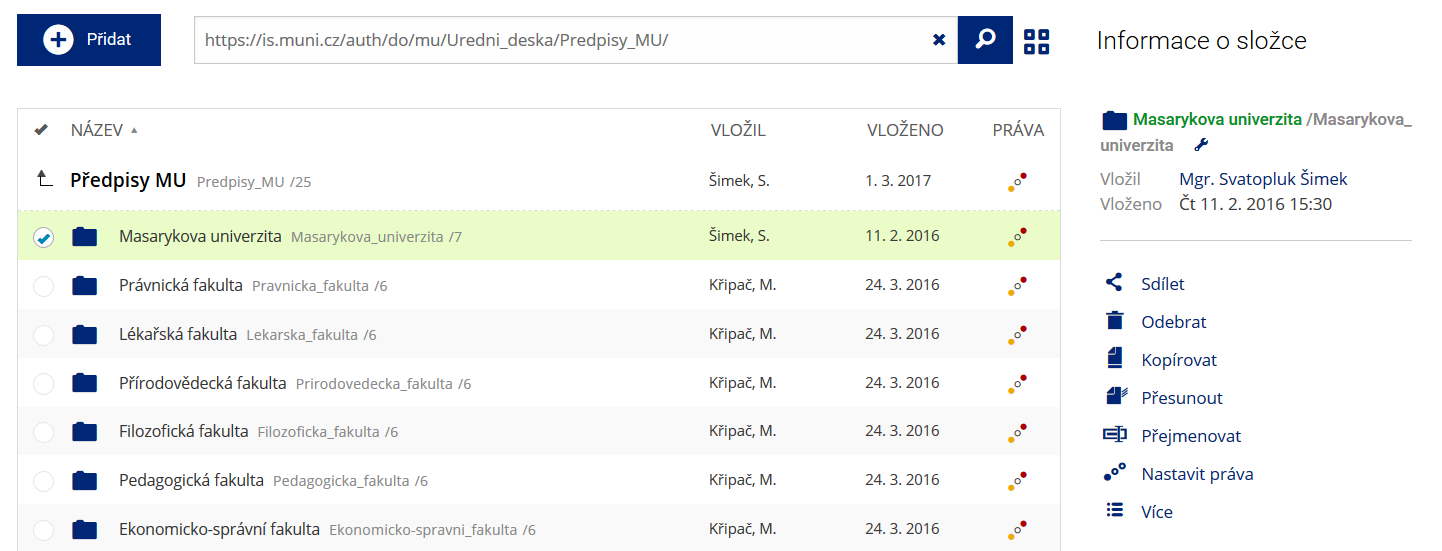 Podrobnosti lze zjistit označením příslušného řádku.
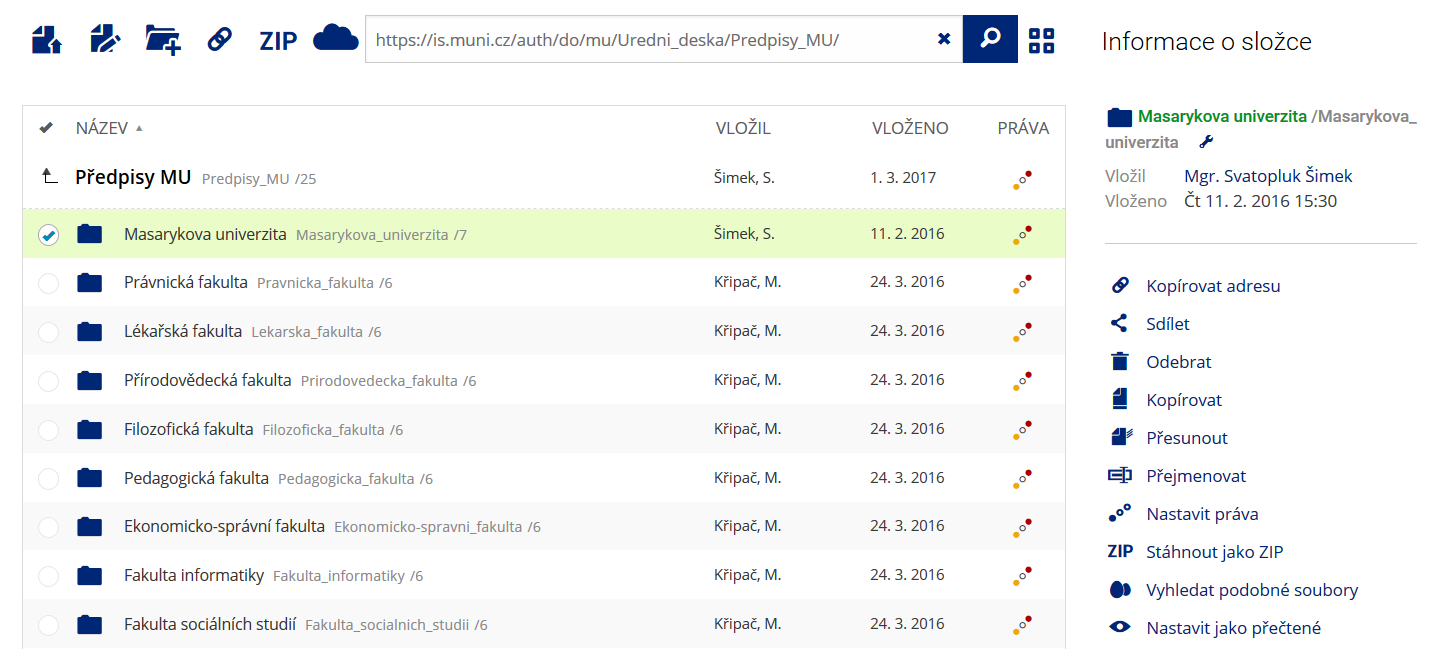 Pro častou práci je možné zvolit režim Více možností.
 Vyhledávaný výraz můžete zadat přímo do adresního řádku.
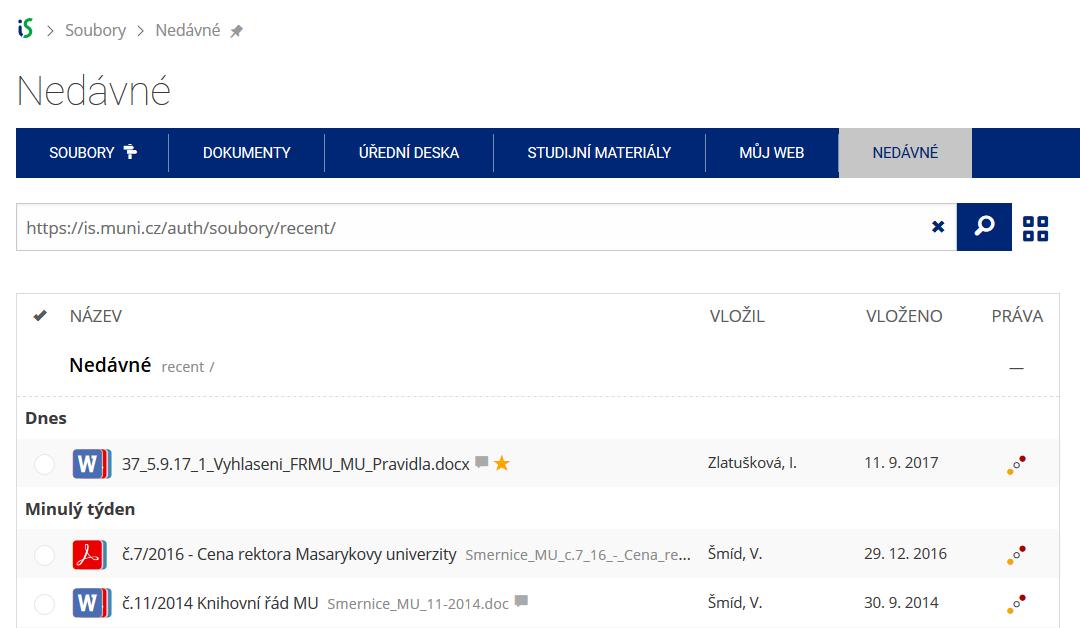 Pomocí funkce Nedávné je možné se rychle vrátit k právě prohlíženým souborům. Oblíbené soubory je také možné označit Hvězdičkou.