Závěrečná práce: Lukáš Lejdar: Numerické modelování rozložení elektrického pole a Jouleova ohřevu v plazma-kapalinových reaktorech metodou konečných prvků
Bakalářská práce
Numerické modelování rozložení elektrického pole a Jouleova ohřevu v plazma-kapalinových reaktorech metodou konečných prvků
Numerical Modelling of Electric Field Distribution and Joule Heating in Plasma–Liquid Reactors using Finite Elements
Anotace
Tato práce se zabývá numerickým modelováním elektrického pole v reaktoru pro generaci plazmového výboje na rozhraní vody a vzduchu. Hlavním cílem je vytvoření elektrostatického modelu založeného na metodě konečných prvků a analýza elektrických vlastností reaktoru pro deionizovanou a kohoutkovou vodu. Nejprve jsou odvozeny slabé a smíšené formulace Poissonovy rovnice a následně je představena jejich …více
Abstract
This work deals with numerical modeling of the electric field in a reactor used for plasma discharge generation at the water--air interface. The main goal is the development of an electrostatic model based on the finite element method and the analysis of the electrical properties of the reactor for deionized and tap water. First, weak and mixed formulations of the Poisson equation are derived, followed …více
Zadání práce
conditions where the bulk gas temperature remains low, yet the electrons are highly energetic. One common way to create such plasmas is through streamer-spark discharges, which are initiated by strong electric fields from microsecond pulsed power sources. In these discharges, fast-moving ionization fronts (streamers) quickly propagate through the gas, producing a variety of chemically active species, before forming sparks when the streamer channels transit into a more conductive phase. Efficiently delivering plasma-generated reactive species into a liquid involves complex chemistry and physics at the gas–water interface. Here, molecules and radicals must navigate sudden changes in medium---passing from a highly energized, non-equilibrium plasma environment into a comparatively stable liquid phase. This transition is not only influenced by fluid properties (e.g., density, viscosity, surface tension) but also by rapid chemical reactions that can either consume or transform the reactive species before they even reach the liquid bulk. Because these processes unfold under strongly non-equilibrium conditions, where electron energies and temperature gradients vary drastically over very short (often nanosecond) timescales, traditional equilibrium-based models for the interface particle transfer fail to capture the full picture.
Thus, an accurate understanding of how reactive species form, diffuse, and ultimately dissolve in the liquid demands advanced experimental techniques---for instance, time-resolved optical spectroscopy, laser-induced fluorescence, or high-speed imaging---that can track changes in real time and at high spatial resolution. Complementing these methods with state-of-the-art multi-physics numerical models, which incorporate detailed plasma and liquid phase reaction kinetics, heat transfer, interfacial physics (including mass transfer due to moving liquid and surface agitation), enables us to go beyond simplified assumptions.
This bachelor thesis aims to develop a robust numerical model for electric field distribution within the reactor considering real reactor geometry simplified to 2D. Moreover, based on the obtained spatial distribution of the electric field, a numerical model for Joule heating of water flowing through the reactor should be developed. Preferred numerical framework for this bachelor thesis is the Finite Element Method, allowing for easy coupling of multiphysis models, praticularly the deal.II Finite Element Library is recommended.
15. 5. 2026 10:09, Mgr. Zdeněk Bonaventura, Ph.D., učo 13485
 angličtina
Citace dle normy ČSN ISO 690
Práce na příbuzné téma
Seznam prací, které mají shodná klíčová slova.
-
Fotoionizace v atmosférických plynech
Bc. et Bc. Jan Priessnitz, učo 469321 -
Simulace ionizační vln ve vzduchu v blízkosti elektrod s přepětím
Mgr. Bc. Adam Fedor -
Matematické modelování stick-slip jevu při pohybu kolenního kloubu
Bc. Magdaléna Kozáková -
Modelování jevů před nanosekundovým elektrickým průrazem ve vodě
Mgr. Andrej Roštek -
Vícetekutinové modely v problémech fyziky plazmatu
Mgr. Jan Skácel -
Meze přiměřenosti a zdravotní rizika použití taseru jako donucovacího prostředku bezpečnostních sborů
Bc. Filip Patera -
Paralelizace metod pro analýzu dynamických systémů pomocí grafické karty
RNDr. Jan Papoušek, Ph.D., učo 325494 -
Fyzika elektrického pohonu satelitů: Hallovy motory
Mgr. Jan Skácel
Složky
Soubory
-
Přidání souboru
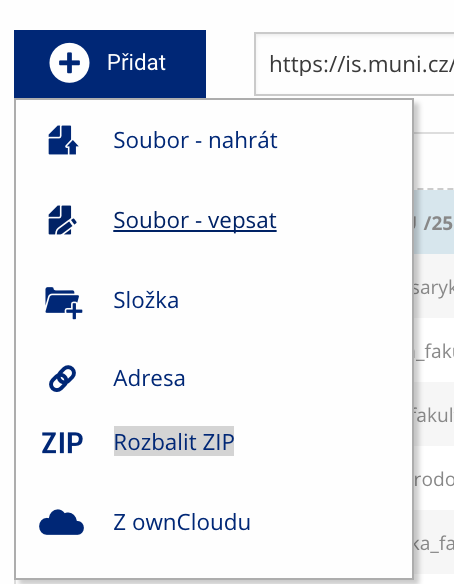 Soubor nebo složku lze nahrát pomocí tlačítka Přidat.
-
Další operace se soubory
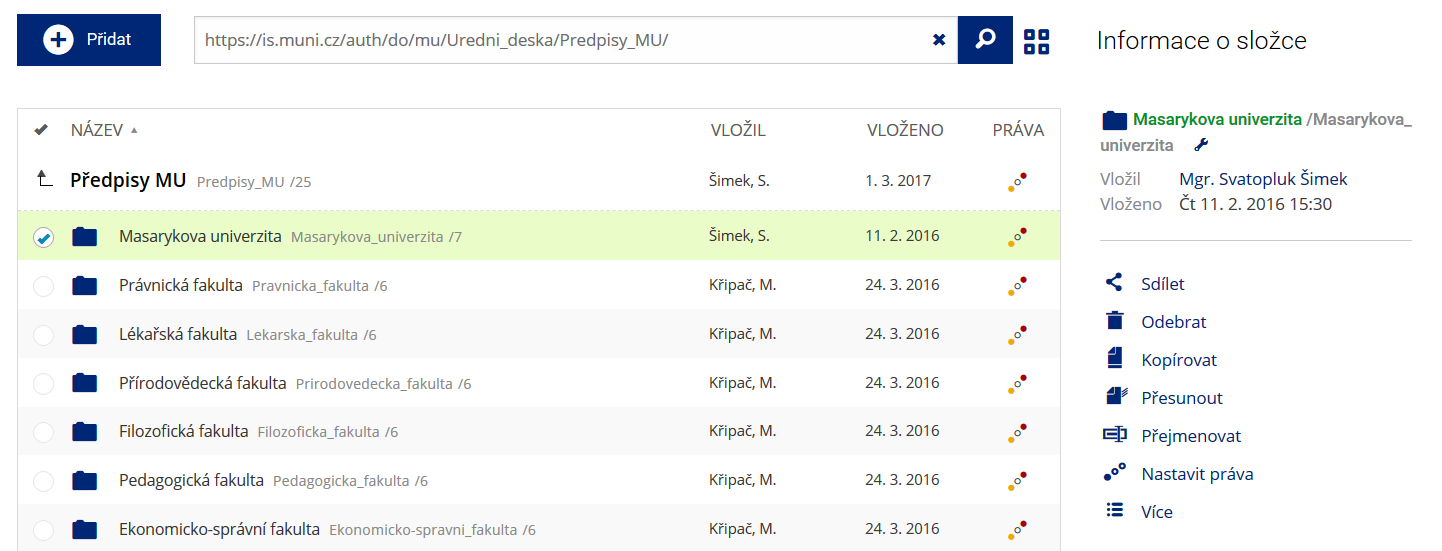 Podrobnosti lze zjistit označením příslušného řádku.
-
Pohled pro experty
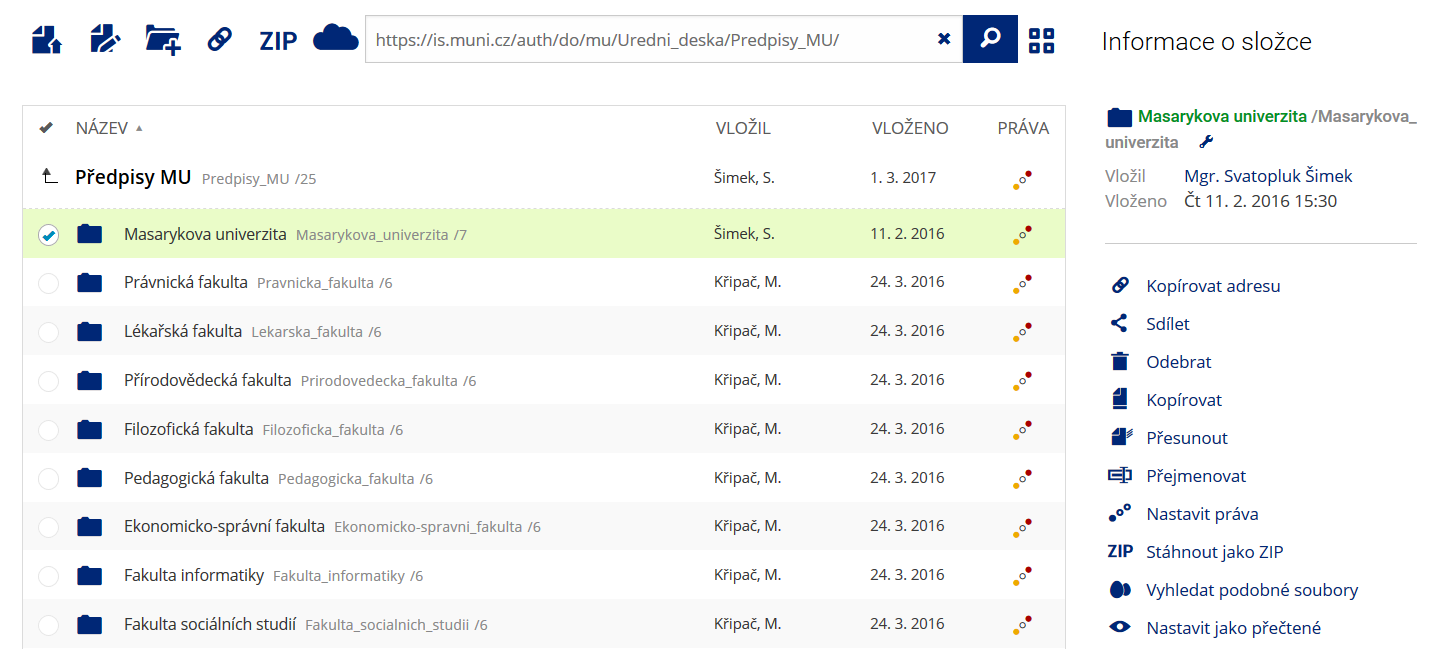 Pro častou práci je možné zvolit režim Více možností.
-
Vyhledávání souborů
 Vyhledávaný výraz můžete zadat přímo do adresního řádku.
-
Rychlý přístup k souborům
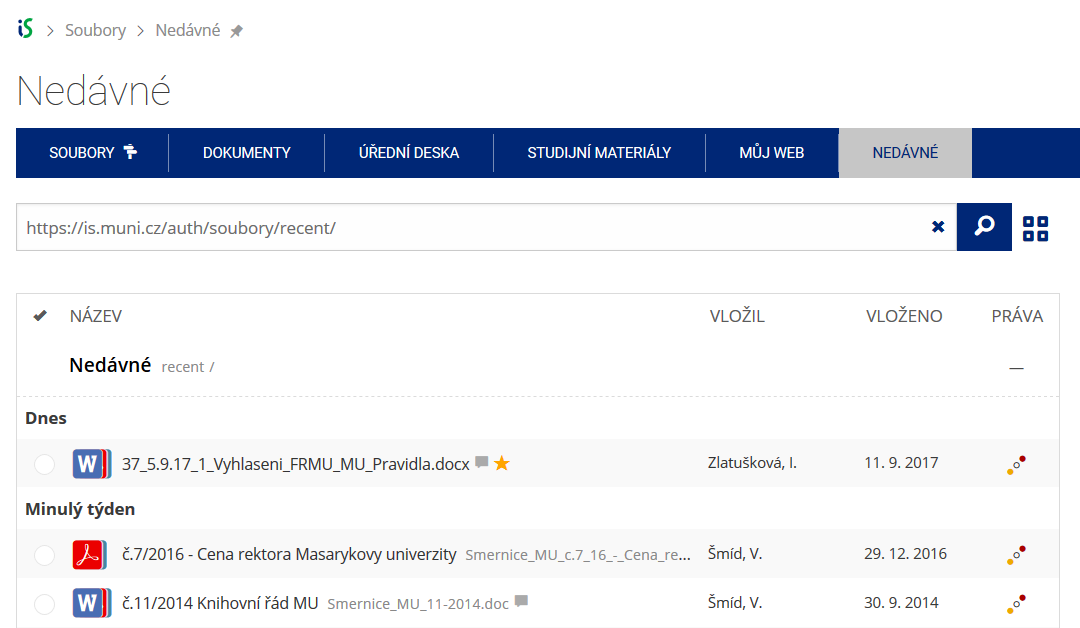 Pomocí funkce Nedávné je možné se rychle vrátit k právě prohlíženým souborům. Oblíbené soubory je také možné označit Hvězdičkou.