Anotace
Charakterizovat Turecko v 60. letech 20. století by se na první
pohled mohlo jevit poměrně prosté: zaostalá agrární země s
řadou hospodářských problémů a hluboce zakořeněnými tradicemi,
které byly velmi často důvodem obav z čehokoliv nového.
Nicméně již od 19. století se v tehdejší Osmanské říší odrážely
výdobytky Velké francouzské revoluce. Avšak hlavní vlna
příklonu k západu započala se vznikem Turecké republiky v roce
1923. V čele státu stanul M. Kemal Atatürk, který se rozhodl
vybudovat zemi podle evropských standardů, což se záhy
projevilo například při přípravě trestního a obchodního
zákoníku. Mnohé turecké dokumenty byly inspirovány těmi
evropskými, čímž bylo západní směřování Turecka několikrát
potvrzeno. Významnou událostí byl vstup Turecka do NATO v roce
1952, kdy se Turecko stalo významný bezpečnostním spojenec
západu.
Ačkoliv se Turecko snažilo, sebevíc stále se řadilo mezi
zaostalé země a ani adopce evropských právních norem mu v tomto
moc nepomohla, hospodářsky Turecko stále pokulhávalo. Turecko
muselo především začít pracovat na hospodářském rozvoji. Přes
veškeré snahy nebylo pochyb o zaostalosti tureckého
hospodářství a celého správního systému. Země akutně
potřebovala několik reforem, mezi kterými dominovala reforma
veřejné správy a také pozemková. V mnoha případech se v Turecku
stále doznívaly odkazy Osmanské říše, například v 60. letech
20. století v Turecku neexistovaly řádné evidence katastrálních
map. Při podrobnějším zkoumání bylo jasné, že úspěch přerodu
tureckého hospodářství závisel na kvalitě provedení a
implementace jednotlivých reforem. Navzdory tomu se žádná z
plánovaných reforem nepodařila, tak jak měla. Často proběhly
jen dílčí změny, které samozřejmě nezaručily požadovaný
výsledek, a tak bylo od samotného počátku pravděpodobné, že
například transformace tureckého zemědělství bez pozemkové
reformy bude velmi náročná.
Představitelé Turecka si byli plně vědomi, že pokud má být
dostáto Atatürkova odkazu musí dojít k transformaci
hospodářství. Několik pokusů proběhlo už ve 30. letech 20.
století, ale zcela zásadní změny nastaly na počátku 60. let 20.
století. K tak ráznému činu vyprovokovala představitele Turecka
neutěšená hospodářská i politická situace v 50. letech, která
vygradovala ve změnu ve vládní garnitury země, která byla
výsledkem státního převratu na jaře roku 1960.
V čele Turecka stanul vojenský výbor, který v první řada
započal s přípravou nové ústavy, která byla v účinnosti od roku
1961. Článek 129 ústavy z roku 1961 se stal klíčovým pro
rozmach tureckého plánování. V tomto článku se hovořilo o
ustanovení SPO a jejich pravomocech a povinnostech. SPO stála
za zrodem pětiletých hospodářských plánů rozvoje a i ročních
programů, které plány v případě potřeby doplňovaly a
upřesňovaly.
Zásadní změny se v Turecku udály v průběhu 60. let 20. století,
v podstatě se jednalo o začátek transformace tureckého
hospodářství. Situace byla vážná. Zaostalá, agrární země s
vysokým přírůstkem obyvatelstva, vysokou nezaměstnaností,
pokulhávající průmyslovou výrobou, s téměř nulovým vývoze
průmyslových výrobků, s vysoký deficitem platební bilance
zahraničního obchodu, atd.
Představitelé Turecka stanuli před zásadním rozhodnutím, jak ze
zaostalé, agrární země, v rozumném časovém intervalu, vytvořit
zemi s rozvinutým průmyslem, s nízkou nezaměstnaností, s
vyrovnanou bilancí zahraničního obchodu a s trhem, který by byl
schopen obstát na mezinárodní úrovni. Výsledkem bylo rozhodnutí
o přijetí plánovaného hospodářského rozvoje, který bylo
zakotveno v turecké ústavě z roku 1961. Uzákoněním plánování
byla v Turecku odstartována éra plánovaného hospodářství, která
pokračuje až dodnes.
V roce 1963 byl započat PPPR, jehož hlavní cíle spočívaly
především v nastavení stabilního a kontinuálního růstu HNP
ročně o 7 %; ve splácení zahraničního dluhu a dosažení
vyrovnaného stavu bilance zahraničního obchodu; v podpoře
vývozu; v dosažení sociální spravedlnosti a v účinném boji s
rostoucí nezaměstnaností.
Růstu HNP o 7 % ročně mělo být dosaženo změnami v průmyslu,
zemědělství a i ve službách. Hlavním motorem růstu HNP měl být
průmysl a průmyslová výroba. PPPR byl ztotožňován s
industrializací země. Cílem PPPR byla podpora průmyslu a rozvoj
nových průmyslových odvětví. PPPR také řešil otázku investic,
které byly nezbytně nutné pro rozmach průmyslové výroby. PPPR
hledal možnosti, jak získat a využít domácí i zahraniční
zdroje. PPPR viděl východisko, jak stabilizovat deficit
platební bilance zahraničního obchodu v maximální možné podpoře
vývozu, který měl zajistit dostatečné množství zahraniční měny.
V roce 1963 byla podepsána Ankarská dohoda, které se v
pozdějších letech stala základem nejen hospodářských, ale i
politických vztahů mezi Tureckem a EHS. Nicméně ve sledovaném
období stála Ankarská dohoda mimo střed zájmů a Turecko
benefitovalo pouze ze stanovených dovozních kvót (ořechy,
rozinky, sušené fíky a nezpracovaný tabák). Význam Ankarské
dohody byl znovu objeven až na konci PPPR.
Nicméně význam jak PPPR, tak i Ankarské dohody, byl zásadní pro
budoucí vývoj Turecka. PPPR byl prvotním pokusem o konsolidaci
Tureckého hospodářství, která samozřejmě neproběhla ihned po
skončení PPPR, ale PPPR ji nastartoval, což dokládá i fakt, že
v současné době v Turecku běží již Desátý pětiletý plán
hospodářského rozvoje. Obdobně tomu bylo i s významem Ankarské
dohody a jejím vlivem na formování zahraničních obchodních
vztahů Turecka a EHS.
60. léta 20. století byla obdobím započetí řady zásadních
hospodářských změn, které ovlivnily hospodářský vývoj a
směřování Turecka na dlouhá desetiletí.
Cílem této práce bylo analyzovat hlavní změny, kterými turecké
hospodářství ve sledovaném období prošlo a interpretovat je s
ohledem na formující se vztah Turecka a EHS. …víceméně
Abstract
To characterize Turkey in 1960´s would, at first glance, might
seem fairly simple: backward agrarian country with many
economic problems and deep-rooted traditions that were very
often the reason for the fear of anything new.
However, since the 19th century in was even the Ottoman empires
reflecting the achievements of the French Revolution. However,
the main wave of accepting Western influences has begun with
the establishment of the Turkish Republic in 1923. The first
turkish president M. Kemal Atatürk decided to establish the
modern country according to European standards, These
standarsds were reflected for example in the preparation of the
Criminal Code and Commercial Code. Many Turkish documents were
inspired by European ones.
The Western orientation of Turkey has been confirmed several
times. For example: turkish membership on OEEC and in Council
of Europe In the year 1952, Turkey became NATO member, a major
security ally of the West.
Although Turkey tried, no matter how much, has been still
ranked among the backward countries and even adoption of
European legislation did not help as much as it was expected,
economically Turkey was still backward country. Turkey had to,
first of all, start working on economic development. Despite
all efforts no doubt about the backwardness of the Turkish
economy and the entire administrative system. The Country
urgently needed several reforms, among which dominated the
public administration reform and land reform. In many cases
links the Ottoman Empire were still fife, for example, in
1960´s Turkey was still missing proper records of cadastral
maps. Under detailed examination it was clear that the success
of the transformation of the Turkish economy depended on the
quality of the design and implementation of the reforms.
Despite this, none of the planned reforms were held as it had
been planned. Very often only minor changes were realized,
which obviously did not guarantee the desired result, for
example, the transformation of Turkish agriculture without land
reform was almost impossible.
Turkish leaders were fully aware that of M. K. Atatürk legacy.
They knew, that the successis connected to the transformation o
the economy. Several attempts had been held in 1930´s, but the
fundamental changes had occurred in the early 1960´s. Dismal
economic and political situation in Turkey had escalated in the
spring of the year 1960. The coup d'etat in the Turkish
republic took place in 1960 and the Military Committee took
over the political power in the country.
The Military Committee became the leader of the country and
immediately started to draft a new constitution, which came
into force1961. Article 129 of the Constitution of 1961 became
the core of the Turkish economical planning. In this article
was mentioned the provisions of establishment of the State
Planning Organization and its powers and duties. State Planning
Organization was responsible for preparation of the five-years
economical development plans and also for the annual programs,
which could have complete the plan if necessary.
Fundamental changes have occurred in Turkey during 1960´s,
basically it was the beginning of the transformation of the
Turkish economy. The situation was serious. Backward, agrarian
country with a high population growth, high unemployment,
lagging industrial production, with almost zero export of
industrial products, with a high balance of payments deficit of
foreign trade, etc.
The Representatives of Turkey stood before a fundamental
decision, how to reform, a backward, agrarian country, within a
reasonable period of time, into a country with a developed
industry, with low unemployment, a balanced foreign trade
balance with the open market, which would be able to compete on
an international level. The result was a decision to accepte a
planned economic development, which was enshrined in the
Turkish Constitution of 1961. The Legalization of economical
planning in Turkey started the era of the planned economy,
which is continuing untill todays.s
In the year 1963 the First Five Year Development Plan started
and its main targets consisted mainly of setting stable and
continuous growth of GNP annually by 7%; the repayment of
foreign debt and achieve a balanced foreign trade balance; in
the promotion of exports; the achievement of social justice and
the effective fight against growing unemployment.
The growth of GNP by 7% per year should be achieved by changes
in the industry, the agriculture and also the services. The
main engine of growth in GNP should have been turkish industry
and industrial production. The First Five Year Development Plan
was equated with industrialization of the country. The First
Five Year Development Plan aim was to support industry and the
development of new industrial sectors. The First Five Year
Development Plan also addressed the question of investments
that were necessary for the expansion of industrial production.
The First Five Year Development Plan was also looking for
opportunities how to acquire and exploit domestic and foreign
sources. The First Five Year Development Plan saw the way how
to stabilize the deficit of balance of payments of foreign
trade in the maximum possible support of the exports, which
should provide a sufficient amount of foreign currency.
In the year 1963 the Ankara Agreement was signed and later
became the essential document not only for economic, but also
for political relations between Turkey and the EEC. However, in
the studied period this document stood outside the center of
the interests and Turkey profited only from guaranteed import
quotas (nuts, raisins, dried figs and unmanufactured tobacco).
It meant that Ankara Agreement was rediscovered at the end of
The First Five Year Development Plan. .
However, the importance of the First Five Year Development Plan
and the Ankara Agreement, was exteramly important for the
future development of Turkey. The First Five Year Development
Plan was initially an attempt to consolidate the Turkish
economy, which of course has not taken place immediately after
the end of The First Five Year Development Plan but the First
Five Year Development Plan started the era of changes, it has
been evident for example by the fact that currently in Turkey
is running the Tenth Five-Year Economic Development Plan.
Similarly, it was with the importance of the Ankara Agreement
and its influence on the formation of foreign trade relations
between Turkey and the EEC.
The 1960´s were a period of initiating a series of major
economic changes that had affected economic development and
direction of Turkey for decades.
The aim of this study has been to analyze the major changes
that happed in Turkey and to interpret them within the context
of the formation of the relationship between Turkey and the
EEC. …víceméně
 čeština
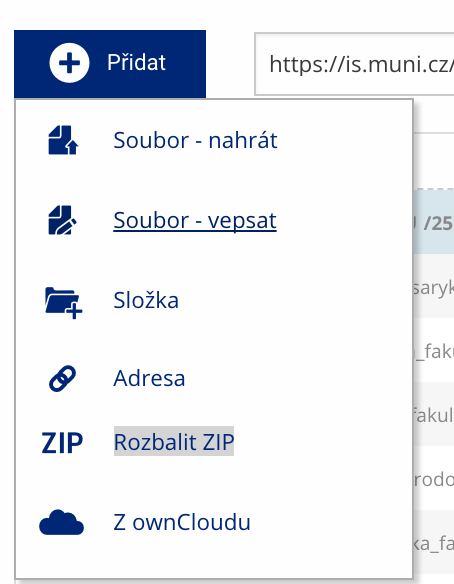 Soubor nebo složku lze nahrát pomocí tlačítka Přidat.
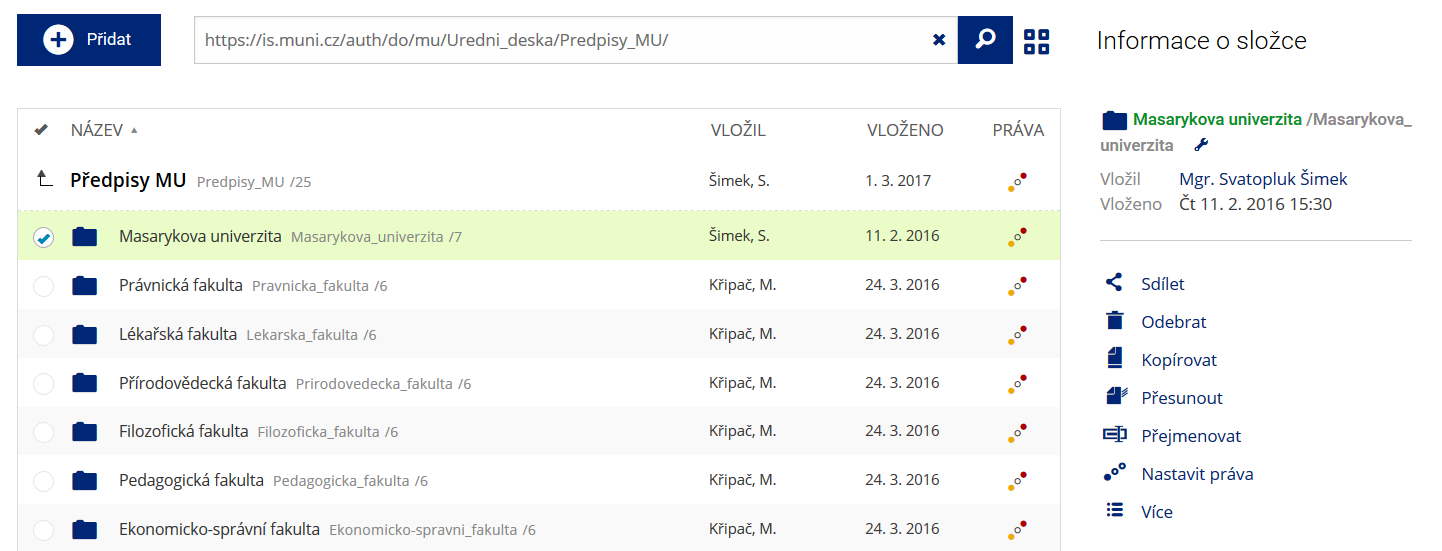 Podrobnosti lze zjistit označením příslušného řádku.
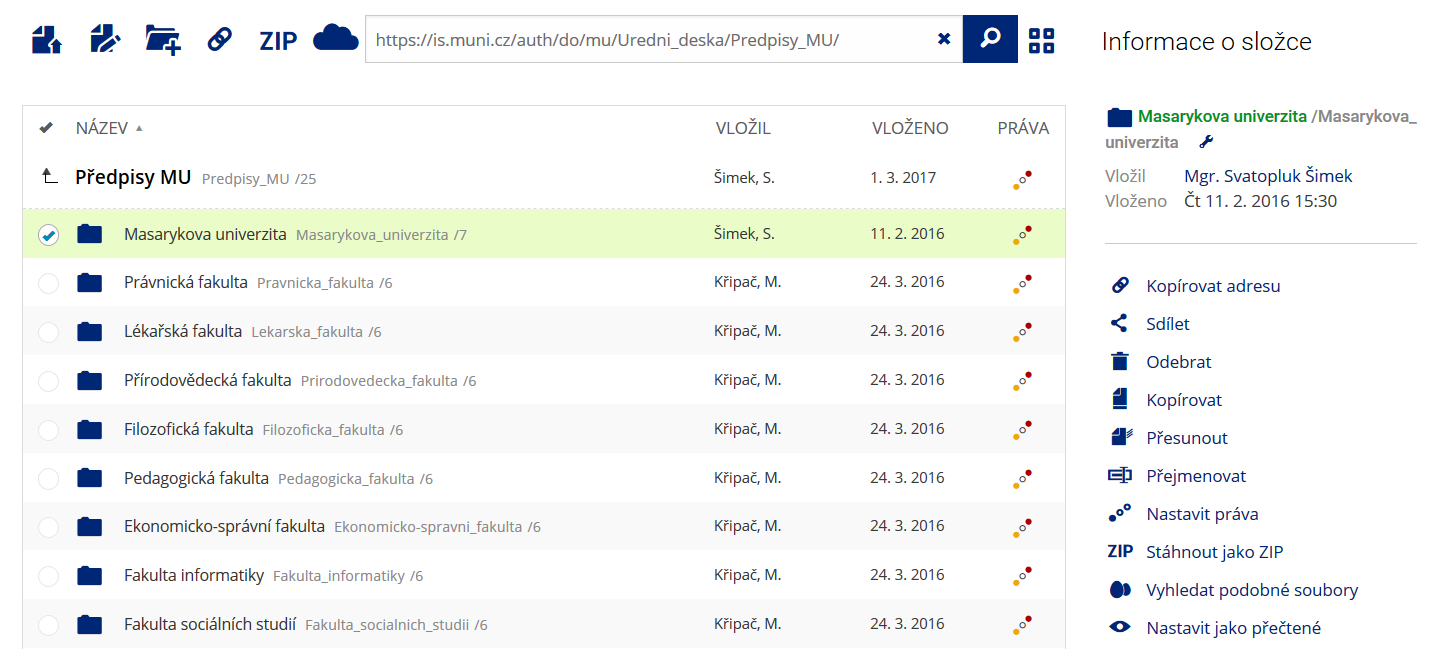 Pro častou práci je možné zvolit režim Více možností.
 Vyhledávaný výraz můžete zadat přímo do adresního řádku.
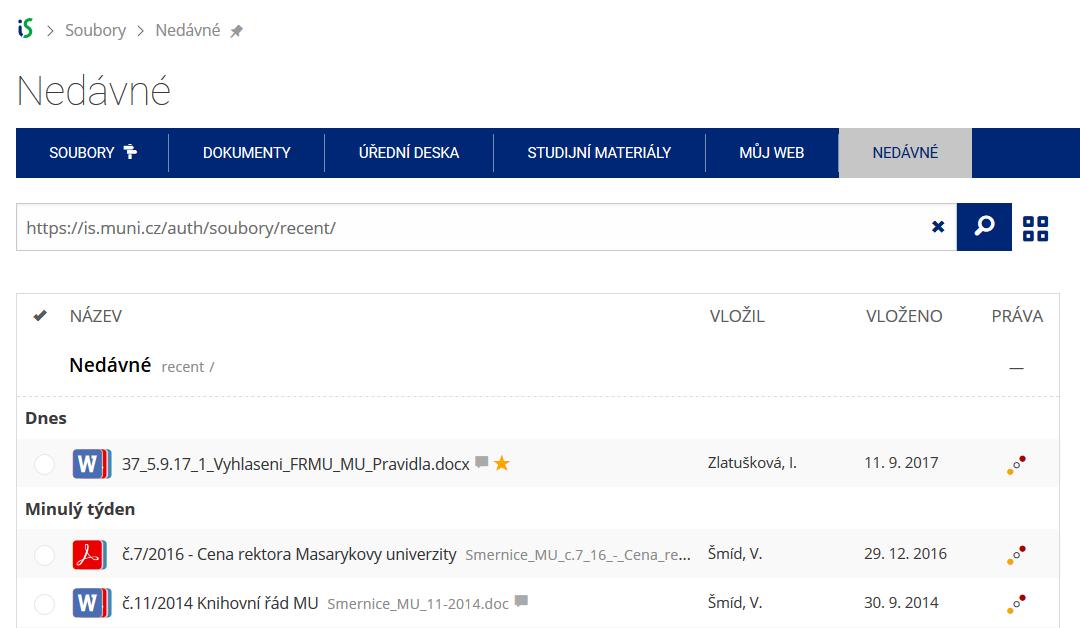 Pomocí funkce Nedávné je možné se rychle vrátit k právě prohlíženým souborům. Oblíbené soubory je také možné označit Hvězdičkou.