Závěrečná práce: Dániel Péter: Euro-attitudes in the Czech Republic - A new way to measure distance between political parties in relation to the EU
Diplomová práce
Euro-attitudes in the Czech Republic - A new way to measure distance between political parties in relation to the EU
Anotace
Academic literature in the past has used several existing methods to classify a party's attitude vis-á-vis the European Union and put them into preset categories based on official manifestos and voting patterns. As the debate about the future of the EU has increasingly incorporated different sets of ideas regarding competences and institutional structure, the re-evaluation of the term and the content …více
Abstract
Academic literature in the past has used several existing methods to classify a party's attitude vis-á-vis the European Union and put them into preset categories based on official manifestos and voting patterns. As the debate about the future of the EU has increasingly incorporated different sets of ideas regarding competences and institutional structure, the re-evaluation of the term and the content …více
Klíčová slova
euroscepticism czech parties typologies single-scale euro-attitudes od kscm top 09 cssd ano usvit kdu cslZadání práce
14. 5. 2016 13:47, prof. PhDr. Petr Kaniok, Ph.D., učo 12188
- Zadáno/změněno 6. 6. 2016 14:39, Mgr. et Mgr. Veronika Velička Zapletalová, Ph.D., učo 137853
- Záznam založen 2. 5. 2016 16:47, Mgr. et Mgr. Veronika Velička Zapletalová, Ph.D., učo 137853
- Zveřejnit od 13. 5. 2016 12:09, Mgr. et Mgr. Veronika Velička Zapletalová, Ph.D., učo 137853
- Práce převzata 13. 5. 2016 12:09, Mgr. et Mgr. Veronika Velička Zapletalová, Ph.D., učo 137853
 angličtina
Citace dle normy ČSN ISO 690
Práce na příbuzné téma
Seznam prací, které mají shodná klíčová slova.
-
Rozpoznání prvků značky a programových východisek českých politických stran
Mgr. Petra Kabeláčová -
Ekonomická krize jako téma volební kampaně stran do PSPČR 2010
Mgr. Tereza Holá, učo 143635 -
Názor vybraných aktérů české politiky na potenciální rozšiřování Evropské unie
Mgr. Daria Skálová -
Ekonomická krize jako téma volební kampaně stran do PSPČR 2010
Mgr. Tereza Holá, učo 143635 -
Ekonomická krize jako téma volební kampaně stran do PSPČR 2010
Mgr. Tereza Holá, učo 143635 -
Populistické politické strany a deskriptivní reprezentace v České republice
Mgr. Magda Duhonská -
Parlamentní koalice ČSSD a KSČM 2005 až 2006
Mgr. Bc. Iveta Formánková, učo 322501 -
Ochota voličů veřejně podpořit politickou stranu při předvolební kampani
Mgr. Adam Pitrocha, učo 333195
Složky
Soubory
-
Přidání souboru
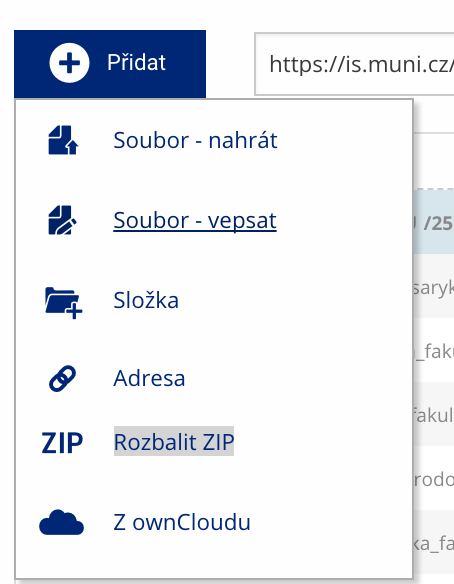 Soubor nebo složku lze nahrát pomocí tlačítka Přidat.
 -
Další operace se soubory
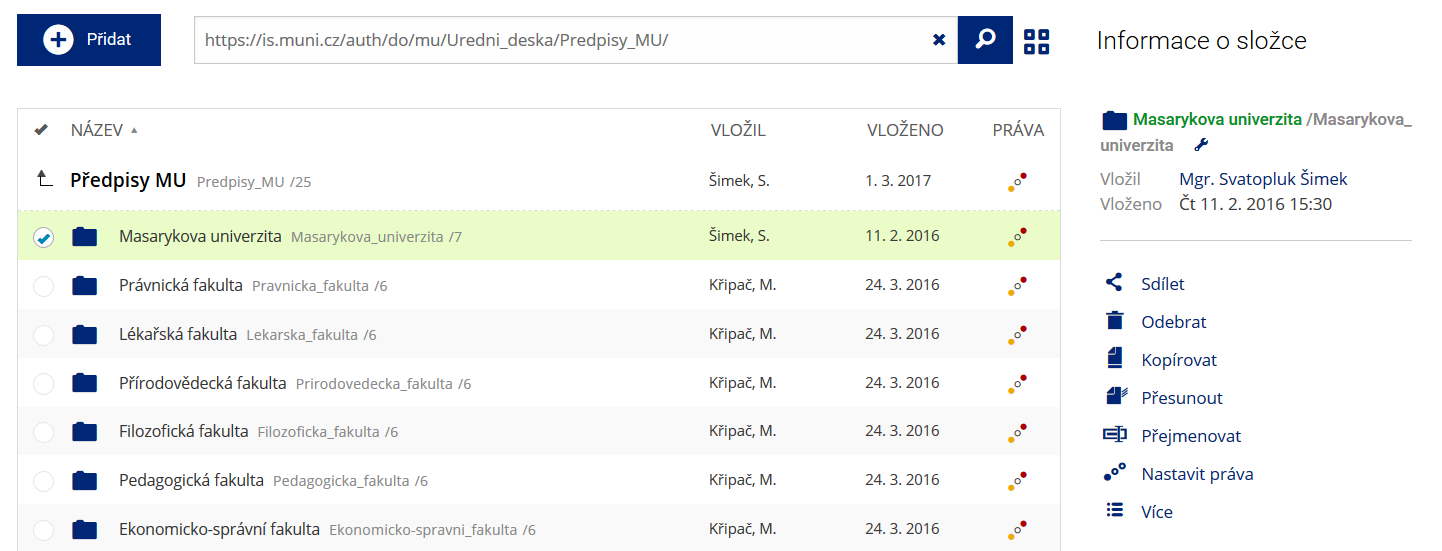 Podrobnosti lze zjistit označením příslušného řádku.
 -
Pohled pro experty
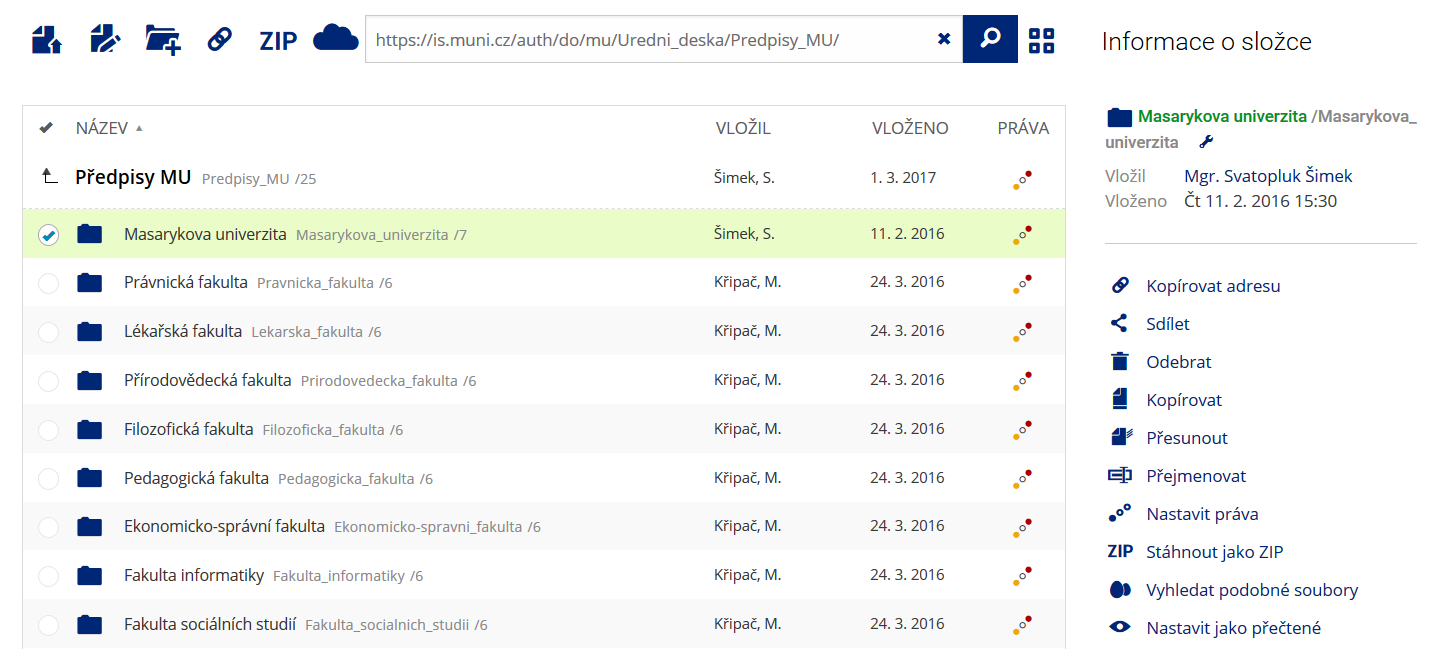 Pro častou práci je možné zvolit režim Více možností.
 -
Vyhledávání souborů
 Vyhledávaný výraz můžete zadat přímo do adresního řádku.
 -
Rychlý přístup k souborům
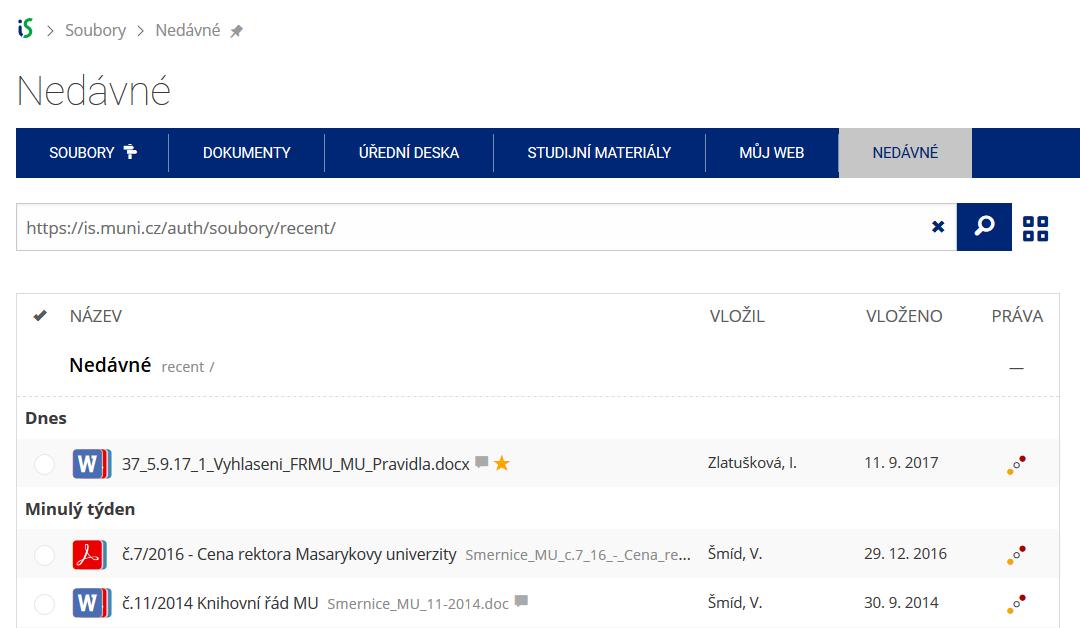 Pomocí funkce Nedávné je možné se rychle vrátit k právě prohlíženým souborům. Oblíbené soubory je také možné označit Hvězdičkou.