Anotace
Ve své práci zahrnuji veškeré dní kolem starosty, obcí, jejich
zízení a právní postavení. Nejdíve se zabývám otázkou právního
postavení starosty. Starosta zastupuje obec navenek, což
znamená, že jeho postavení lze do urité míry pirovnat k
postavení statutárního orgánu právnické osoby. Ovšem ze
samostatného faktu, že starosta zastupuje obec navenek, v
žádném pípad nevyplývá jeho pravomoc samostatn rozhodovat o
záležitostech patících do samosprávy obce. O vtšin otázek
samostatné psobnosti rozhodují kolektivní orgány, tedy
zastupitelstvo a rada, nejde-li samozejm o obec, kde se obecní
rada nevolí a kde její pravomoc vykonává (až na zákonem
stanovené výjimky) starosta. Právní úkony, které vyžadují
schválení kolektivními orgány, mže starosta provést až po
jejich pedchozím schválení v zastupitelstvu i rad, jinak jsou
tyto úkony od samého poátku neplatné.
Starostu i místostarostu si volí zastupitelstvo obce ze svých
len. Podmínkou je, že musí být obanem eské republiky. Starostu
zastupuje místostarosta v dob jeho nepítomnosti, nebo v dob,
kdy starosta nevykonává funkci. O nepítomnosti starosty lze
mluvit tehdy, jde-li o uritý dlouhodobjší stav. Místostarosta
urený k zastupování starosty bude vykonávat všechny úkoly
píslušející jinak podle zákona starostovi. Poslední dobou se
stále více diskutuje o zmn zpsobu volby starosty, a to, aby byl
volen v pímých volbách, tedy pímo obany obce. Co se týká úkol,
oprávnní
a pravomoci, vše je uvedeno pod tímto oddílem.
V právním postavení obcí se zabývám jak pravomocemi a
psobností, tak orgány obce. Obecní úad vykonává veškerou státní
správu (penesenou psobnost) svenou obci s výjimkou té, kterou
zákon výslovn piznává zastupitelstvu, rad, starostovi,
zvláštním orgánm, nebo která je delegována na komise rady. V
samostatné psobnosti obecní úad plní pedevším úkoly, které mu
uložilo zastupitelstvo nebo rada obce a pomáhá výborm
zastupitelstva a komisím v jejich innosti. Obecní úad je tvoen
starostou, místostarostou, tajemníkem obecního úadu (pokud je
tato funkce zízena) a zamstnanci obce zaazenými do obecního
úadu. V ele stojí starosta a je tak nadízen všem zamstnancm
obce zaazeným do obecního úadu, vetn tajemníka. Obecní úad
zizuje úední desku, která je umístna na veejn pístupném míst,
vtšinou na budov, v níž má sídlo. Zastupitelstvo obce rozhoduje
o vcech patících do samostatné psobnosti obce a nemže ji svit
jinému orgánu. Jedná se o nejdležitjší úkoly v samostatné
psobnosti obce. Zasedání zastupitelstva svolává a ídí
zpravidla starosta, právní pedpisy obce podepisuje starosta
spolu s místostarostou. Rada obce je výkonným orgánem obce v
oblasti samostatné psobnosti a ze své innosti odpovídá
zastupitelstvu obce, v oblasti penesené psobnosti rozhoduje jen
stanoví-li tak zákon. Tvoí ji starosta, místostarosta a další
radní. V malých obcích, kde má zastupitelstvo mén než 15 len,
se rada obce nevolí, její pravomoc vykonává starosta obce. Jako
své iniciativní a kontrolní orgány zizuje zastupitelstvo obce
výbory. Povinn to musí být výbor finanní a kontrolní, které
jsou nejmén tílenné a jejich leny nemohou být starosta,
místostarosta, tajemník obecního úadu ani zamstnanci obce
zajišující rozpotové a úetní práce. Rada obce si jako své
iniciativní a poradní orgány zizuje komise. Od výbor
zastupitelstva i komisí rady obce odlišujeme tzv. zvláštní
orgány obce, které zizuje v pípadech stanovených zvláštním
zákonem starosta pro výkon penesené psobnosti. Jedná se
pedevším o komisi k projednávání pestupk a o povodovou komisi.
Dozor nad výkonem samostatné i penesené psobnosti obcí vykonává
krajský úad a Ministerstvo vnitra a provádí se následn.
V kapitole tvrté se zmiuji o historii obecního zízení. Od
vzniku obecní samosprávy do rozpadu rakouského mocnáství
historie obecní samosprávy zaala v eských zemích v revoluním
roce 1848. Psobnost místních obcí se lenila na místní a
penesenou, tím byl položen základ lenní psobnosti obcí i pro
následující právní úpravy. Další ást se zabývá od vzniku
eskoslovenské republiky do její okupace. Pro legislativní
innost v první republice bylo dležité ustanovení, podle kterého
zákonodárná a správní innost zemských snm zanikla. Moc
zákonodárnou vykonávalo pro celé území SR Národní shromáždní.
Pozdji pijímané zákony se spíše zamily na státní složky veejné
správy, na úkor rozvoje územní samosprávy. Nap. novela
volebního ádu svila politickým úadm oprávnní potvrzovat
platnost volby starosty. Následující ást je zamena na postavení
obcí v období tzv. protektorátu echy a Morava. Zmny, ke kterým
v této dob došlo je teba vidt v souvislosti s nacistickou
okupací, se zavedením vdcovského totalitního principu
a s odbouráváním demokratických pravidel veejného života. Co se
týká postavení obcí, hovoí se v této dob o postupné likvidaci
principu obecní samosprávy. V období národních výbor vývoj
smoval postupn k odstranní dosavadního pojetí obecní
samosprávy. Prvním právním dokumentem o národních výborech byl
ústavní dekret prezidenta republiky. Místní národní výbory byly
podízeny vyšším národním výborm, navíc byly tendence rozšíit
podízenost národních výbor vlád a Ministerstvu vnitra ve všech
záležitostech. Po zmnách zahájených v listopadu 1989 pevážil
názor, že reforma místní správy nebude provádna na bázi
národních výbor, ale na jiných principech. Ústavnprávním
základem reformy místní správy se stal ústavní zákona
Federálního shromáždní.
Obecní zízení v jiných státech zde jsem se zamila na Slovensko
a Japonsko. U Slovenska jsem se zabývala hlavn materiálem,
který se týká komunální reformy
a diskusi o dalším smování místní samosprávy. V Japonsku se
vyskytují ti úrovn veejné správy vláda, prefektury a obce, kdy
prefektury a obce jsou samosprávami.
I zde je nastolen proces sluování obcí, byl pijat nový
pozmovací návrh zákona
o sluování obcí, který má za úkol podpoit obyvatele v jejich
iniciativ pro další sluování. Sluování je dobrovolné a národní
vláda spíše doporuuje, než nutí obce ke slouení do vtších celk.
V poslední ásti se zabývám právním postavením starosty na
Slovensku. Zde je na rozdíl od eské republiky starosta obce
volený pímo obany na tyleté období. Tento systém volby starosty
na Slovensku je dle jejich názoru pehledný
a demokratický. …víceméně
Abstract
All matters regarding mayor, community, its system and legal
status are included in my work. At first, I am dealing with a
question of mayors legal status. Mayor represents his/her
community externally, meaning that his/her status can be
compared at a certain point with the status of statutory body
of legal entity. From the fact that the mayor represents
his/her community externally does not give him/her the right to
decide independently on matters falling under the autonomy of
the community. Collective bodies make decisions on most matters
of independent competence, both board of representatives and
council. Community council does not vote and its competence is
in the power of the mayor. Few exceptions apply. Legal
functions, which have to be approved by collective bodies, can
be exercised by the mayor after they are approved by board of
representatives or council, otherwise these functions are
annulled.
Board of representatives elects mayor and deputy mayor from its
members. The only condition is that he/she must be the citizen
of the Czech Republic. Deputy Mayor acts on behalf of mayors
absence or during the time when mayor does not exercise his
power. The absence of the mayor only implies when the mayor is
not present for a long period of time. In mayors absence,
deputy mayor will carry out all duties which in the past would
have been done by mayor if he/she was not absent. Recently,
there is a lot discussion about the process of electing a
mayor. Many people think that he should be elected directly by
the citizens of the community. Everything concerning the
duties, rights and competencies is descried in the following
paragraph.
In the legal status of the community, my position deals with
competencies and powers of the community bodies. Municipal
office carries out all public administration, which belongs
under its competence, except the administration that has to be
carried out by board of representatives, council, mayor and
special bodies. Municipal office fulfills tasks in self
governance, which were assigned to it by board of
representatives or by council. At the same time this office
helps various committees and commissions of the board of
representatives in their activities. Municipal office is
comprised of mayor, deputy mayor, secretary and other
administrative employees. Mayor is the head of the community
and all the administrative employees are subordinated including
the secretary. Municipal office sets up official notice board,
which is located at public accessible place. Most of the times,
this notice board is located on building where the municipal
office resides. Board of representatives makes decisions on
tasks falling under the self governance of the community and it
can not leave it to another body. Those are the most important
tasks in the self governance of the community. The session of
the board of directors is summoned and chaired mainly by the
mayor. Legal byelaws are signed by the mayor and deputy mayor
of the community. The council is the executive body of the
community in the area of self governance. It is responsible for
its actions to the board of representatives. The council is
comprised of mayor, deputy mayor and other councilors. In small
communities, where the board of representatives has less than
fifteen members, the council is not elected. And its
competencies are carried out by the mayor. The board of
representatives sets up committees which act as go-ahead and
control bodies. Financial and control committees are
obligatory. These committees must have at least three members.
Mayor, deputy mayor, secretary and employees taking care of
budget and accounting are not allowed to be members of the
financial and control committees. Commissions are set up as a
go-ahead and advisory bodies of the council. There are other
special bodies in the municipal office that are established in
cases determined by mayor in special law. We are talking
primarily about commission that deals with misdemeanors and
with floods. Regional office and the Department of Interior
supervise the performance of the community.
I refer to the history of municipal foundation in chapter four.
From the origins of municipal self governance to the fall of
the Austrian Empire, history of municipal self governance began
in Czech lands in 1848. There were two competencies in the
community, local and transferred. These two competencies were
used in subsequent legal system. Another part of this chapter
deals with circumstances from the formation of Czechoslovakia
until the beginning of its occupation. After 1918, the
legislative and administrative functions of provincial assembly
perished. The legislative power was carried out by national
assembly of Czechoslovakia. Later passed legal acts were aimed
at public administration at the expense of development of
territorial autonomy. For example according to the amendment of
electoral act, political administration could validate the
election of the mayor. Following part deals with the position
of communities during the Nazi protectorate of Bohemia and
Moravia. The changes that occurred during this time were caused
by totalitarian regime and by axing democratic principles in
public life. Municipal self governance gradually diminished
during Nazi occupation. During the time when national bureaus
operated, the development of municipal self governance headed
towards its removal. First legal document regarding the system
of national bureaus was the constitutional edict of the head of
the state. Local national bureaus were subordinated to the
bureaus of higher status. There were tendencies to spread the
subordination of national bureaus to the government and the
Department of Interior in all matters. After the revolution in
November 1989, the idea that prevailed was that the reform of
local self governance will not be based on the system of
national bureaus. The new reform of local self governance was
based on the constitutional act of Federal Assembly.
In this work, I have also targeted the municipal foundation of
Slovakia and Japan. In the case of Slovakia, the main materials
that I have studied were municipal reforms and the discussion
about development of local self governance. In Japan, there are
three levels of local self governance government, prefectures
and communities. Communities and prefectures are under self
governance. Even in Japan, there is a tendency of amalgamation
of communities. New bill regarding the amalgamation of
communities was now passed and its purpose is to support the
citizens to initiate other amalgamations. The amalgamation of
communities is voluntary; however, national government
recommends this process.
In the last chapter, I am dealing with the legal status of
mayor in Slovakia. Compared with the Czech Republic, the mayor
in Slovakia is elected directly by the citizens of the
community. His term lasts for the period of four years. This
system of electing the mayor in Slovakia is more transparent
and democratic according to the opinion of Slovak citizens. …víceméně
 čeština
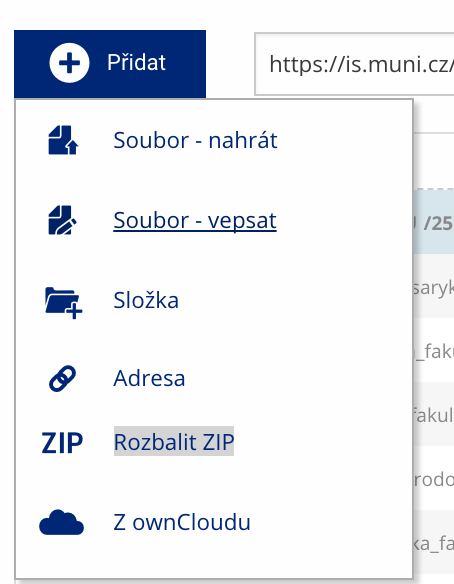 Soubor nebo složku lze nahrát pomocí tlačítka Přidat.
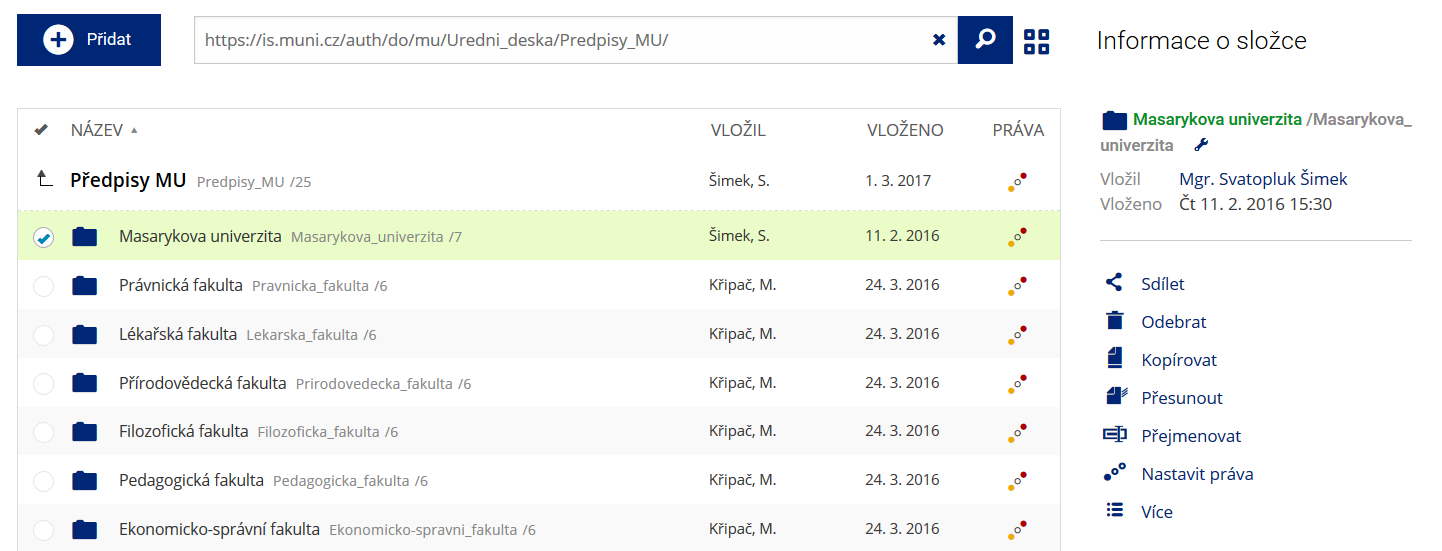 Podrobnosti lze zjistit označením příslušného řádku.
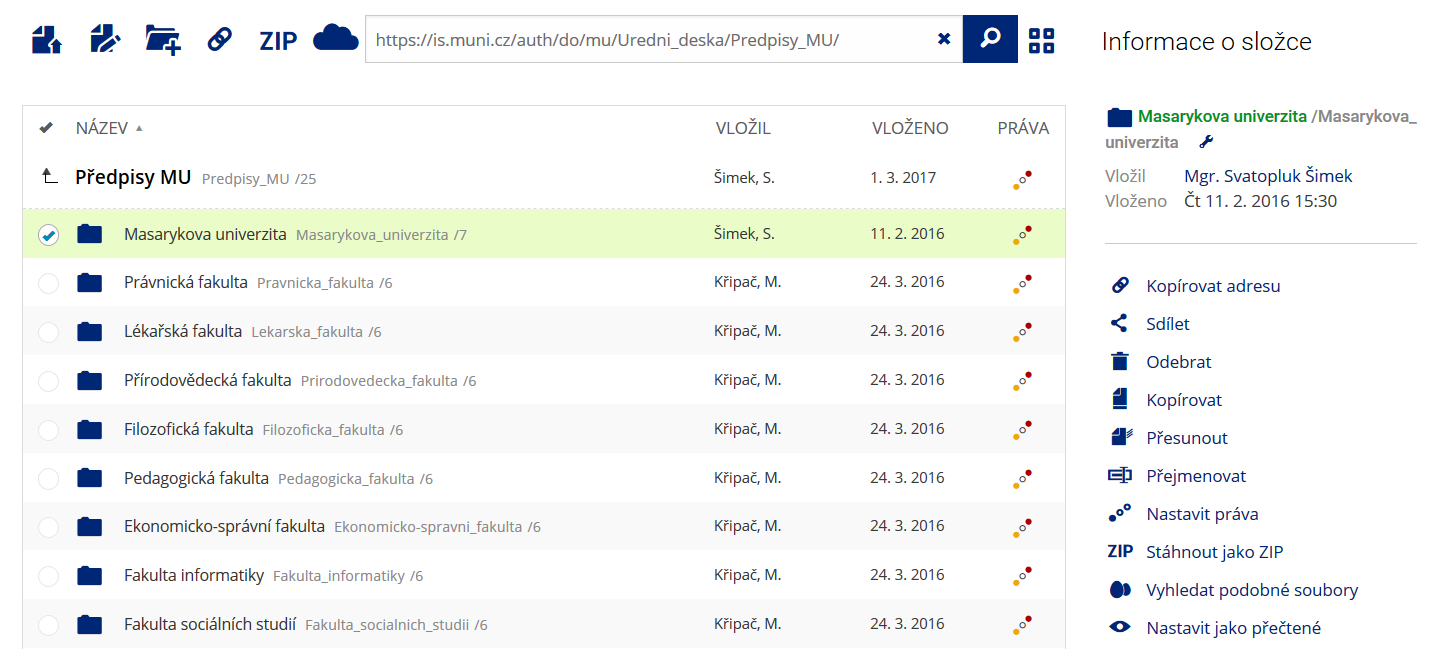 Pro častou práci je možné zvolit režim Více možností.
 Vyhledávaný výraz můžete zadat přímo do adresního řádku.
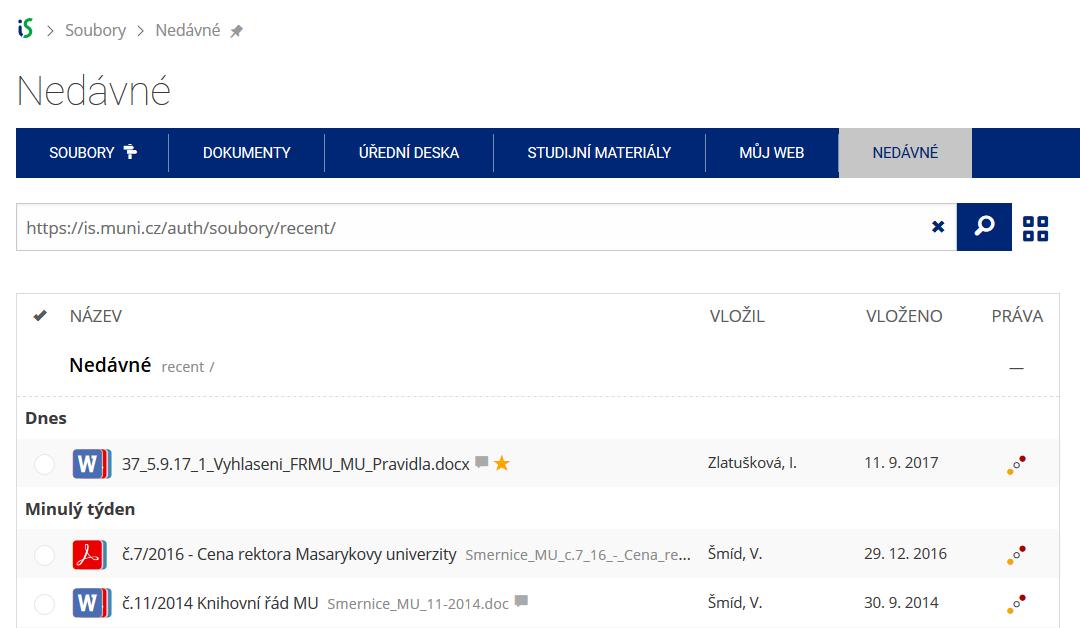 Pomocí funkce Nedávné je možné se rychle vrátit k právě prohlíženým souborům. Oblíbené soubory je také možné označit Hvězdičkou.