Anotace
Předložená dizertační práce analyzuje transformace historické
interpretace „studené války“ amerických historiků zahraničních
vztahů USA od 2. poloviny 40. do poloviny 70. let. Obecněji má
za cíl celkové interpretační shrnutí problematiky interpretace
„studené války“ v americké historické literatuře od 2. poloviny
30. let do současnosti a částečně chce podat i souhrnný pohled
na americkou historiografii zahraničních vztahů Spojených
států.
Prvním cílem práce je konceptualizace tohoto podoboru
amerických dějin a historické (a literární) produkce v americké
historiografii. Druhým cílem je systematičtější porozumění
proměnám interpretace vzniku „studené války“ během desetiletí
po skončení 2. světové války.
Interpretace vzniku „studené války“ jsou frekventovaně
rozčleňovány a klasifikovány na „tradicionalistické“ (někdy
také „ortodoxní“), „revizionistické“ a „postrevizionistické“,
později též na „korporativní“, světového systému, kulturní či
jiné. Práce argumentuje názor, že tato klasifikace je založena
na optimistickém „modelu fází“, je rigidní a nehodí se pro
představení relativní plurality historiografie a literatury o
„studené válce“ v konkrétním čase. Rozdíly v historiografické
produkci a historiky autoři označují např. termíny „skupiny
badatelů“ (Graebner), „interpretace“ a „historiografické
školy“, „odlišné přístupy“ či „distinkce“ (Combs) a „měnící se
perspektivy“ (Dumbrell a Leffler). Práce argumentuje názor, že
vágnost a vnitřní diferenciaci kategorií jako
„tradicionalismus“, „revizionismus“ atd. lépe vyjadřují široké
termíny historiografická či interpretační „tendence“ nebo
„odlišný přístup“.
Předložená práce charakterizuje základní ideologická a
praktická východiska poválečné literární tvorby a klade je do
minimálního sociálního kontextu historického a
mezinárodně-politického myšlení během 40., 50., 60. a 70. let a
stručně též během následujícího období. Celkově pojednává o
pracích několika desítek autorů. S využitím metodologických
rozdílů a filosofických předpokladů a pomocí modelu se třemi
kategoriemi historického myšlení, motivacemi, cíly a úmysly a
odpovědností či vinou obou hlavních poválečných protagonistů –
Spojených států a Sovětského svazu – potom detailněji
strukturuje tvorbu více než desítky vybraných autorů. V tomto
smyslu práce metodologicky kombinuje částečně perspektivu
metodologií (stavu oboru) a konkrétních interpretací. Výsledná
struktura opřená o jednotlivé autory a jejich seskupení je
založena na určitém druhu generalizace a reflektuje
McCormickovy, Wiseho a Kudrnovy argumenty, že základem
historického myšlení jsou „sociální systémy“. Toto zjištění
předpokládá určitou analogii metodologických a ideologických
rozdílů mezi jednotlivými autory.
Hodnocení historických interpretací americké a sovětské
(případně i dalších) politik ve vzniku „studené války“ je v
práci založeno na dvou normativních předpokladech. Za prvé,
práce předpokládá existenci implicitní kontinuity myšlení mezi
starší a mladší liberální historiografií, „ortodoxií“ a
„postrevizionismem“ na jedné straně a levicovým
„revizionismem“, „korporatismem“ 80. let a mnoha mladšími
kulturními historiky na druhé straně. Za druhé, práce postuluje
názor, že navzdory významnému vlivu levicového „revizionismu“ a
akademických kritiků na historickou profesi, jsou stále v
opozici vůči „vládnoucí“ – hegemonní nebo dominantní –
interpretaci vzniku „studené války“, která se zakládá na
širokém ospravedlňování americké role ve „studené válce“.
2. kapitola práce analyzuje formování americké percepce
Sovětského svazu na základě interpretace aktivit představitele
ministerstva zahraniční George F. Kennana. Kennan formuloval
image vytrvale expanzionistického Sovětského svazu, který
usiluje souběžně o ideologickou expanzi i imperiální nadvládu.
Jeho pojetí podstatně ovlivnilo následující generace historiků
a jejich prací.
Kapitoly III., IV. a V. se zabývají historiografickými
tendencemi „tradicionalismem“, „revizionismem“ a
„postrevizionismem“. Třetí kapitola se zaměřuje na
„tradicionalistickou“ produkci od poloviny 60. let, v jejímž
základu nalézá transformaci dominantních idejí o zahraničních
vztazích v průběhu 2. světové války („internacionalismus“) a
reformu a proměnu amerického liberalismu (někdejšího
„progresivismu“) a konzervatismu. V závislosti na charakteru
sovětské „hrozby“, přiměřenosti americké politiky a jejím
hodnocení text kapitoly rozlišuje čtyři skupiny autorů:
předchůdce Nové pravice, liberální „ortodoxní“ autory, takzvané
politické realisty a liberální „dvorní“ autory. Zejména v
případě Nové pravice a liberální historiografie kapitola
zmiňuje také vliv sovětských studií („sovětologie“) na
historiografii zahraničních vztahů.
Text ukazuje, že se dominantní poválečná liberální „ortodoxní“
historiografie autorů Bemise, Perkinse, Baileyho, Pratta ad.
zformovala souběžně s útoky části americké pravice na
Rooseveltovu a Trumanovu administrativu z důvodu jejich
údajného usmiřování a ústupků Sovětskému svazu, ačkoliv byla do
jisté míry paralelou těchto útoků. Text obecně zdůrazňuje, jak
výrazně poválečnou historiografii ovlivnil „politický realismu“
autorů, jakými byli Niebuhr, Morgenthau a Kennan, kteří
kritizovali domnělý „moralismus“, „utopismus“ nebo „legalismus“
americké politiky a její přílišnou ideologizaci. Kapitola však
argumentuje tezi, že navzdory své kritice tito „realisté“ do
značné míry přijali „ortodoxní“ interpretaci vzniku „studené
války“ – podobně jako mladší liberální historikové. Cestu pro
částečné překročení starší „ortodoxní“ historiografie otevřeli
mladší liberální „dvorní“ autoři jako Feis a autoři kolem Kenta
R. Greenfielda podílející se na archivním výzkumu, jenž
postupně rozbil názor, že Rooseveltovo domnělé „zanedbání“
průběhu války mělo zásadní dopad na vznik „studené války“.
Kapitola přitom ukazuje, že ani tito liberálové nezpochybnili
podíl a odpovědnost za vznik konfliktu připisované dosavadními
autory Sovětskému svazu.
IV. kapitola práce pojednává o liberálních a levicových
kriticích americké politiky, které práce v normativním ohledu
chápe a označuje jako „dissent“ v historické profesi. Text se
nejprve zaměřuje na vymezení pojmu „revizionismus“ a podle
přístupu a předpokladů klasifikuje levicové „revizionisty“ na
„radikální“ a levicově-liberální“. Kapitola ukazuje, že se rané
poválečné kritiky americké politiky od natolik odlišných
autorů, jakými byli Charles A. Beard , I. F. Stone, Denna F.
Fleming, Fred W. Neal či Charles W. Mills lišily politickým
pozadím, předpoklady a postoji ve vztahu k americké a sovětské
politice. Text ukazuje, že skutečná diskuse o americké politice
vznikla teprve v letech 1964-1965 ve spojení s „vietnamskou“
válkou a pracemi Davida Horowitze a Gara Alperovitze. Ústřední
pozornost věnuje tato kapitola vlivné wisconsinské
„revizionistické“ škole a osobnosti Williama A. Williamse.
Rýsuje Williamsovu perspektivu amerických dějin a analyzuje
stěžejní pasáže jeho průlomové práce Tragédie americké
diplomacie, jež rozvila mýtus „naivních“ a defenzivních
amerických činitelů. Text ukazuje, že Williamsovi nástupci jako
Gardner, LaFeber, Paterson a mnozí další se lišili relativní
váhou poskytnutou roli osobnosti a strukturálním prvkům a také
ekonomickým, ideologickým a politickým vlivům na americkou
politiku. Závěr kapitoly provádí stručnou sondu do vlivu
některých levicovo-liberálních kritiků na analýzu domácí
americké poválečné politiky. Práce argumentuje obecně názor, že
levicový „revizionismus“ si udržel značnou akademickou
důvěryhodnost, ale od 70. let byl postupně tlumen tzv.
postrevizionismem.
V. kapitola práce sleduje rozvoj liberální interpretace, tzv.
postrevizionismu do poloviny 70. let. Text ukazuje, že
„postrevizionismus“ se pokusil překročit hlavní rozdíly mezi
„ortodoxními“ autory a levicovými „revizionisty“ 60. let. Jeho
stoupenci sledovali postoje Kennana, Lippmanna a Morgenthaua a
syntetizovali je s poznatky mladších liberálních historiků.
„Postrevizionisté“ částečně souhlasili s kritikou ze strany
levicových „revizionistů“ a odmítali globální „křižácký“
antikomunismus a přílišný protirevoluční intervencionismus a
sovětské jednání vnímali jako snahu zajistit si národní zájmy a
bezpečnost. Přesto tito autoři nepřijali názor, že Spojené
státy sdílí stejnou anebo větší odpovědnost za vznik konfliktu.
Kapitola analyzuje zejména práce Arthura M. Shlesingera, Jr.,
Adama Ulama, Johna L. Gaddise, George C. Herringa, Jr. a Lynn
E. Davies, jejichž společné charakteristiky spatřuje v omezeném
a převážně pasivním zapojení Spojených států amerických v
regionu Východní Evropy (a jinde) a v důrazu na domácí a
byrokratické překážky údajně omezující politické alternativy
amerických činitelů. Kapitola věnuje také pozornost ambivalenci
a konzervativnosti „postrevizionismu“ zejména na příkladech z
americké „sovětologie“.
IV. kapitola hrubě sumarizuje hlavní interpretační tendence
historiografie 80. a 90. let. Naznačuje, že spočívaly v rozvoji
„postrevizionismu“, obnově geopolitiky jako interpretační
kategorie, oživení konzervativní a starší „ortodoxní“
interpretace a nástupu tzv. korporatismu jako alternativy
dominantního „postrevizionismu“. V téže době se také objevila
„teorie světového systému“ a v historiografii se prosadil se
lingvistický a kulturní obrat. Rozpad „Východního bloku“ a
údajné americké vítězství ve „studené válce“ vedlo k rozvoji
amerického „triumfalismu“ a poslední vlně „nového promýšlení“
konfliktu. Kapitola naznačuje, že toto „nové promýšlení“
podporovalo studium sovětské ideologie, oslabilo dominantní
„postrevizionismus“ a oživilo starší „ortodoxní“ interpretaci.
Závěr práce rekapituluje předpoklad o konceptualizaci americké
historiografie zahraničních vztahů i oba normativní
předpoklady. Poukazuje na existenci ideologické a názorové
kontinuity mezi starší a mladší historiografií, „ortodoxíí“ a
„postrevizionismem“ a argumentuje názor, že „postrevizionismus“
nebyl nadřazenou syntézou levicového „revizionismu“ a jako
celek jej neintegroval. Text naopak ukazuje, že bádání
hlavního proudu spíše integrovalo některé „revizionistické“
prvky a zůstalo blízké liberálům ovlivněným „realismem“.
Předpoklad o přetrvání dominantního nebo hegemonického výkladu
„studené války“ závěr práce podepírá argumentem, že
historiografie zahraničních vztahů je stále jedním z
nejkonzervativnějších proudů amerických dějin, v němž převládá
nacionalistická perspektiva. Ve shodě s tím levicové
„revizionistické“ a kritické interpretace sice neskončily s
pádem „Železné opony“ ale ani nedominují. Dokonce i v době
svého zenitu na přelomu 60. a 70. let byly pouze minoritou.
Toto zjištění závěr klade do souvislosti s ideologickým
názorovým spektrem ve Spojených státech, kde jsou
„ne-liberální“ argumenty jako klasický konzervatismus nebo
anarchismus a socialismus ignorovány anebo reprezentovány jako
„ne-americké“. Proměny bádání hlavního proudu ve Spojených
státech souvisí s polarizací mezi liberálním a konzervativním
křídlem americké historiografie. Liberální politický teoretik
Louis Hartz ale provokativně argumentuje, že obě tato křídla
vycházejí z „liberálního“ konsenzu americké politické tradice,
která u většiny Američanů rozvíjí ve vztahu k zahraničí touhu
změnit lidi po americkém způsobu. …víceméně
Abstract
Submitted dissertation thesis analyzes transformations of cold
war interpretations of American historians of United States
foreign relations from the 2nd half of the 40s to half of the
70s. More generally it focuses on a complete interpretative
summary of problems of the Cold War’s interpretation in an
American historical literature from the second half of 30s till
nowadays. Partly it tries to achieve a complete view on the
American historiography of the United States foreign relations.
The first goal of the work is a conceptualization of the
subdiscipline and historical (and literary) production in the
American historiography. Its second task is more systematic
understanding of transformations in the interpretation of
origins of the “Cold War” in the post-war decades.
Interpretations of origins of the “Cold War” are frequently
divided and classified as “traditionalist” (sometimes also
“orthodox”), “revisionist” and “postrevisionist”, later also
“corporatist”, world system, cultural and others. It’s argued
that this classification is founded gnoseologically on an
optimistic “phase model” and therefore is rigid. Dissertation
argues that it does not suit for the presentation of relative
plurality of historiography and literature about the “Cold War”
in a concrete time. Historians label these distinctions by
terms as “groups of researchers” (Graebner), “interpretations”
and “historiographical schools”, “different constructions” and
“distinctions” (Combs), “changing perspectives” (Dumbrell and
Leffler). It’s argued that vagueness and inner differentiation
of these categories express best wide terms as
historiographical or interpretative “tendency” or a “different
approach”.
Submitted dissertation describes essential ideological and
practical basis of a post-war literary output and puts it into
minimal social context of historical and international
relations thought during 40s, 50s, 60s, 70s and briefly also in
subsequent years. Generally it deals with production of several
tens of authors. Work structures in detail production of more
than ten central authors by methodological differences and
philosophical assumptions and by model with three categories of
historical thought: motivations; aims and intentions;
responsibility or blame of two major post-war protagonists –
Unites States and Soviet Union. In this way work combines
partly perspective of methodologies (state of field) and
interpretations. Final structure is grounded on individual
authors and their groups and it’s based on a certain type of
generalization again and it reflects McCormick’s, Wise’s and
Kudrna’s arguments that “social systems” are foundation of
historical thought. This supposes certain analogy in
methodological and ideological differences among individual
authors.
Appraisal of historical interpretations of the American and
Soviet (possibly also other) policy in the origin of the “Cold
War” is in a work founded on two assumptions. Firstly, it’s
supposed implicit continuity of thought and succession among
older and younger liberal historiography, “orthodoxy” and
“postrevisionism” on the first side and left “revisionism”,
“corporatism” of 80s and many other younger cultural
historians. Secondly, in spite of the significant influence of
left “revisionism” and academic critics it’s supposed that they
are still in opposition to the “ruling” – hegemonic or dominant
– interpretation of the origin of the “Cold War” which is based
on wide vindicationism of the American role in the “Cold War”.
Chapter II analyzes forming of American perception of Soviet
Union through the activity of the official of the department of
state George F. Kennan. He formulated image of persistently
expansionary Soviet Union which struggled for ideological
expansion along with imperial hegemony. Kennan’s conception
took the shine out of the following generation of historians
and their research.
Chapters III, IV and V deal with historiographical tendencies
“traditionalism”, “revisionism” and “postrevisionism”. Chapter
III focuses on “traditionalistic” production from the half of
the 60s in whose foundation was the transformation of dominant
ideas about foreign relations during the Second World War
(“internationalism”) and reform and change of American
liberalism (former progressivism) and conservatism. In
dependence on character of Soviet “ threat”, adequacy of the
American policy and its appraisal text of chapter distinguishes
four groups of authors: predecessor of New right, liberal
“orthodox” authors, so called political realists and Liberal
“court” historians. I mention also influence of Soviet studies
(“sovietology”) on historiography of foreign relations
especially by New right and liberal historiography.
It’s argued that dominant liberal “orthodox” historiography of
historians Bemis, Perkins, Bailey or Pratt was forming
simultaneously with attacks of part of the American right wing
on Roosevelt’s and Truman’s administration because of its
reconciliation and concessions to Soviet Union, although it was
parallel of that attacks in some measure. It’s generally argued
that postwar historiography was influenced markedly by
political realism of Niebuhr, Morgenthau and Kennan who
criticised presumed “moralism”, “utopism” or “legalism” of the
American policy and its excessive ideologization but who
accepted the “orthodox” interpretation in substantial measure.
However, chapter argues thesis that in spite of their critique
„realists“ accepted the „orthodox“ interpretation of origins of
the „cold war“ – similarly to young liberal historians.
Younger liberal “court” authors as Feis and authors around Kent
R. Greenfield and John Snell opened a way for partial
overcoming of the older “orthodox” historiography. These
authors participated in the archive research which broke
opinion that Roosevelt’s supposed “neglect” of the course of
the war had significant impact on the origin of the “Cold war”.
At the same time this part points out that these liberals don’t
challenge share and responsibility in the origins of the „cold
war“ that previous authors atributed to the Soviet Union.
Chapter IV deals with liberal and left critics of the American
policy who are in normative sense understood and labelled in
the work as „dissent“ in the historiographic profession.
Firstly, chapter focuses on define of the concept of
„revisionism“ and according to the approach and assumptions
classify left „revisionists“ according into „radical“ and
„left-liberal“. Chapter demonstrates that early post-war
critiques of the American policy of so dissimilar authors such
as Charles A. Beard, I. F. Stone, Denna F. Fleming, Fred W.
Neal or Charles W. Mills differed by political background,
assumptions and attitudes to the American and Soviet policy.
It’s argued that real discussion about the policy of the USA
arose only in 1964-1965 in the connection with Vietnam War and
works of David Horowitz and Gar Alperovitz. This chapter pays
central attention to influential Wisconsin „revisionist“ school
and personality of William A. Williams. It sketches William’s
perspective of American history and analyses central parts of
his groundbreaking work The Tragedy of American Diplomacy which
broke the myth of „naive“ and defensive American officials.
Text showes that William’s successors as Gardner, LaFeber or
Paterson, Kolko and many others differed by relative weight
given to a personality and stuctural elements and economic,
ideological and political influences on the American policy
too. The end of this chapter realizes a brief probe to the
influence of some „left-liberal“ critics on the analysis of
American post-war policy at home. Generally dissertation argues
opinion that left „revisionism“ held significant academic
credibility but since 70s was subdued by so called
postrevisionism.
Chapter V follows development of the liberal interpretation, so
called postrevisionism, till half of the 70s. It’s argued that
„postrevisionism“ tried to overcome main differences among
„orthodox“ authors and left „revisionists“ of the 60s. Its
adherents followed attitudes of Kennan, Lippmann or Morgenthau
and synthesized them with knowledge of younger liberal
historians. „Postrevisionists“ agreed partly with critique on
the part left „revisionists“, rejected global anticommunist
„crusade“ and excessive antirevolutionary interventionism. They
understood Soviet actions as effort to ensure „national
interests“ and security. However these authors did not accept
opinion that the USA shared same or bigger responsibility for
the eruption of the conflict. First of all chapter analyses
chiefly works of Arthur M. Schlesinger, Jr., Adam Ulam, John L.
Gaddis, George C. Herring and Lynn E. Davis whose common
characteristic sees in the overwhelming passive action of the
United States in a region of Eastern Europe (and elsewhere) and
the emphasis on home and bureaucratic barriers supposedly
reducing politic alternatives of American officials. Chapter
pays attention to ambivalency and conservatism of
„postrevisionism“ on the examples from American „sovietology“
too.
Chapter VI summarises roughly main interpretation tendencies of
historiography in the 80s and 90s. They consist in the
developement of „postrevisionism“, restoration of geopolitics
as an interpretative category, revival of the conservative and
older „orthodox“ interpretation and the start of „corporatism“
as an alternative of dominant „postrevisionism“. In the same
time theory of the world system developed and so called
lingvistic and cultural turn also came about in historiography.
Break-up of the „Eastern block“ and supposed American „victory“
in “cold war” led to American „triumphalism“ and the last wave
of „new rethinking“ of the conflict. It supported study of
Soviet ideology, weakened „postrevisionism“ and revived the old
„orthodox“ interpretation.
Conclusion of the work recapitulates assumption about
conceptualization of American historiography of the foreign
relations and both normative assumptions. It points out an
ideological and opinion continuity between older and younger
historiography, „orthodoxy“ and „postrevisionism“, and argues
thesis that „postrevisionism“ was not superordinated synthesis
and did not integrate left „revisionism“ as a whole. It’s
argued that mainstream scholarship rather absorbed some left
„revisionist“ elements and remained close to the liberals
influenced by „realism“. Assumption of enduring of the dominant
or hegemonic interpretation of the Cold War is testified by the
fact that historiography of foreign relations is still one of
the most conservative streams of the American history in which
nationalistic perspective prevails. In accord with this left
„revisionist“ and critical interpretations did not end with a
fall of „Iron Curtain“, but they are neither dominant. They
were only a minority in the historiography even at their zenith
at the turn of the 60s and 70s. I put it to the relation with
ideological and opinion spectrum in the United States where
“un-liberal” arguments as classic conservatism or anarchism and
socialism are ignored and repressed as „un-American“.
Transformations of the mainstream research in the United States
relate to the repeat of the polarization between the liberal
and conservative wing of American historiography. But as
liberal political theorist Louis Hartz argued provocatively,
these two wings arise from „liberal consensus“ of the American
political tradition that developes in majority of Americans
toward foreign countries desire to change people according to a
American way. …víceméně
 čeština
 Soubor nebo složku lze nahrát pomocí tlačítka Přidat.
 Podrobnosti lze zjistit označením příslušného řádku.
 Pro častou práci je možné zvolit režim Více možností.
 Vyhledávaný výraz můžete zadat přímo do adresního řádku.
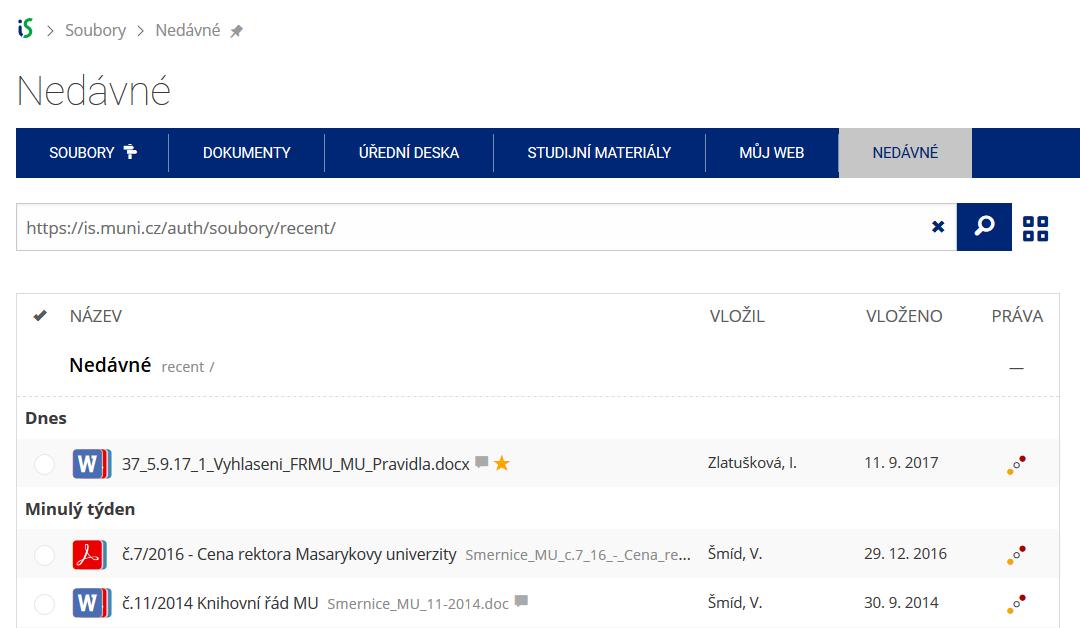 Pomocí funkce Nedávné je možné se rychle vrátit k právě prohlíženým souborům. Oblíbené soubory je také možné označit Hvězdičkou.