Diplomová práce

Using behavioural economics for effective policy design to improve individual and population well-being

Ondřej Kácha, učo 411630
Anotace

V uplynulém desetiletí soukromé a veřejné instituce, včetně vlád jednotlivých zemí, začaly aplikovat poznatky z behaviorálních věd, jako je kognitivní a sociální psychologie, ke zvýšení zapojení jednotlivců v udržitelných aktivitách (např. zdravé stravování, recyklace odpadu, rozumná spotřeba elektrické energie). I přes jeho částečnou efektivitu, hlavní proud institucionálně vytvářených behaviorálních …více

Abstract

In the past decade, private and public institutions, including governments, began to apply insights from behavioural sciences, such as cognitive and social psychology, to policy-making to increase individuals’ engagement in sustainable behaviours (e.g. healthy eating, recycling, and responsible energy consumption). Although partially effective, such policies face limitations. The present work focuses …více

Zadání práce
Introduction and Background Citizens’ well-being has been recently identified as a new measure of global development, complementary to the traditional economic indicators (e.g. GDP, inflation and unemployment rate). Individual happiness is linked to better overall performance, more harmonious communities, illness prevention and behaviours paralleling success (Lyubomirsky, King, & Diener, 2005). Major global organisations have called for implementation of well-being considerations into countries’ policies (e.g. Donnell, Deaton, Durand, Halpern, & Layard, 2014; World Economic Forum, 2012; World Health Organization, 2013), which resulted in a growing need for psychology and related disciplines to be invited for participation in policy-making process. A recent report by the World Bank (2015) has emphasized the role of behavioural sciences in addressing the irrationality that entangles human behaviour (Gigerenzer & Goldstein, 1996; Tversky & Kahneman, 1974) – an area where neo-classical economic theories often fail. A recently emerged field of behavioural economics – combining the strengths of economic and psychological approaches – utilizes human irrationality to address societal and economic issues. A typical example from this field is the experiment by Schultz, Nolan, Cialdini, Goldstein, & Griskevicius (2007) who reduced energy consumption of households through the power of social norms – by showing how much the neighbours consumed. Another example includes increasing the amount of organ donors by setting the consent with organ donation as default (Johnson & Goldstein, 2003). For such interventions Thaler and Sustein coined the term nudge due to their peripheral and non-intrusive nature (2009). Problem Statement Despite its arguable cost-effectiveness and simplicity, nudge-based interventions face critique: 1) manipulation on the individuals’ unconscious level can be considered as unethical (Thaler & Sunstein, 2009), 2) the effect of nudge is often short-term (Bovens, 2009), and 3) after its development, a nudge can be usually applied in a one specific situation only (Grüne-Yanoff & Hertwig, 2015). Additionally, 4) behavioural economics hardly considers the subjective well-being of individual, rather focusing on the objective socio-economic outcomes. The present study will focus on the points 2 – 4 of the critique, with the aim to utilize individual well-being as a driver to sustainable behaviour. In other words, it hypothesizes that finding intrinsic rewards in one’s actions towards societal values can also sustain such behaviour, beneficing both individual and population. If proven, this concept would be transferable to every nudge intervention where one can find personal rewards that are strong enough. Objectives and Aims The aim of the study is to contribute towards the effectiveness of policy design that prioritizes both individual and societal benefits, while keeping the implementation costs of such policy low. Objective of the study is to develop a nudge-type intervention that has the following qualities: - considers both individual and population well-being - incorporates objective economic measures (e.g. kWh used in control vs experimental group) - has a lasting effect even after the intervention is over - is transferrable to other nudge-based interventions Project and Study Design In its initial phase, the project will entail a literature review to identify the optimal field for employing such intervention. The scope of the review will include topics related to e.g. energy use and pro-environmental behaviour, healthy eating habits, reducing thefts and prosocial behaviour. After identifying the area, and developing the intervention, a randomised controlled trial will be conducted to maximize the robustness of the findings, including both psychological and economic measures. A minimum amount of two hundred study participants is expected.
Práce zkontrolována:
8. 12. 2016 06:43, PhDr. Pavel Humpolíček, Ph.D., učo 11191
Plný text práce
1,6 MB / soubor PDF
Jazyk práce
angličtina angličtina
Termín obhajoby
12. 1. 2017
Práce byla úspěšně obhájena

Vedoucí

PhDr. Pavel Humpolíček, Ph.D., učo 11191
PÚ FF MU
Dr. Kai Ruggeri
PÚ FF MU

Oponent

PhDr. Oleg Czop, Ph.D.
PÚ FF MU

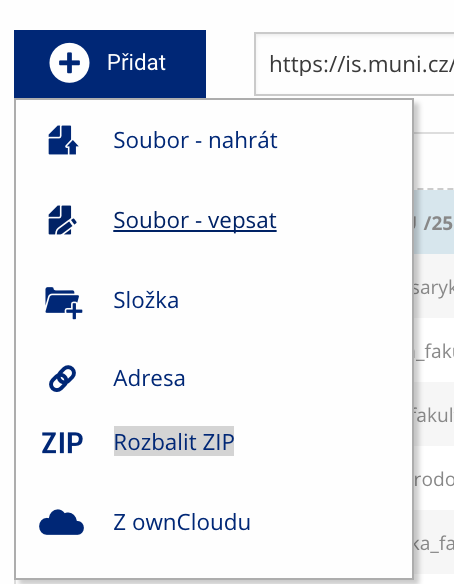
  • Přidání souboru

    Soubor nebo složku lze nahrát pomocí tlačítka Přidat.
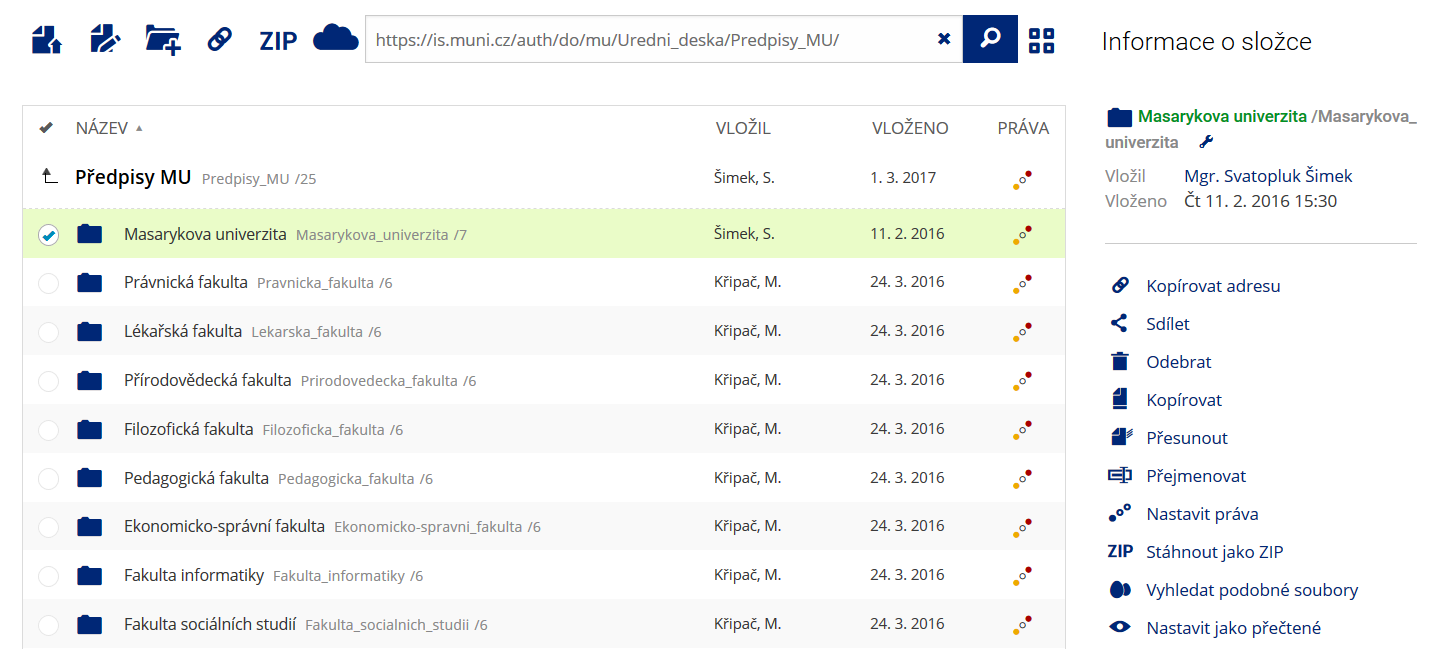
  • Další operace se soubory

    Podrobnosti lze zjistit označením příslušného řádku.
  • Pohled pro experty

    Pro častou práci je možné zvolit režim Více možností.
  • Vyhledávání souborů

    Vyhledávaný výraz můžete zadat přímo do adresního řádku.
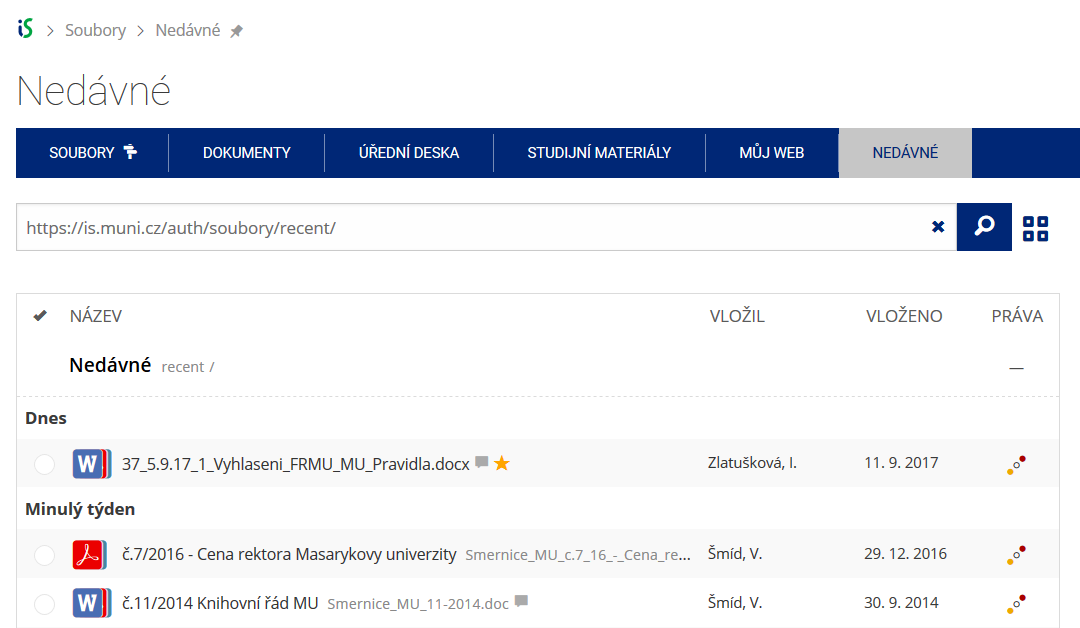
  • Rychlý přístup k souborům

    Pomocí funkce Nedávné je možné se rychle vrátit k právě prohlíženým souborům. Oblíbené soubory je také možné označit Hvězdičkou.