Závěrečná práce: Bc. Jana Uhlířová, MSc: PCA therapists‘ experience with dissociation in complex trauma
Diplomová práce
PCA therapists‘ experience with dissociation in complex trauma
Anotace
Tato diplomová práce je hlubinnou idiografickou studií, která představuje různorodé pohledy na fenomén disociace v komplexním traumatu z perspektivy terapeutů praktikujících v na člověka zaměřeném směru (PCA). Za účelem sběru dat byly provedeny polostrukturované rozhovory se třemi terapeutkami, které prošly výcvikem PCA a v tomto směru i aktivně praktikují. K interpretaci získaných dat byla použita …více
Abstract
This master’s thesis presents an in-depth, idiographic study introducing various views on dissociative phenomena in complex trauma from the perspective of therapists practising the person-centred approach (PCA). Semi-structured interviews were conducted with three therapists, all trained and actively practising within the PCA framework. An interpretative phenomenological analysis was executed to interpret …více
Zadání práce
8. 12. 2024 14:23, prof. PhDr. Hana Přikrylová Kučerová, Ph.D., učo 23265
 angličtina
Práce na příbuzné téma
Seznam prací, které mají shodná klíčová slova.
-
Impostor fenomén u začínajících psychoterapeutů
Mgr. Denisa Hubáčková -
Srovnání on-line terapie a terapie tváří v tvář klientovi z pohledu psychoterapeutů
Mgr. Markéta Hebrová -
Jakou mají lidé s BDSM preferencemi zkušenost se sdílením této preference na terapii
Mgr. Václav Kosour -
Environmentální distres jako téma v psychoterapii: Interpretativní fenomenologická analýza zkušeností českých terapeutů
Mgr. Tereza Feuersteinová -
Prožívání psychoterapeutů při práci se sebevražednými klienty
Mgr. Petra Hovězáková -
Zkušenost klientů s přechodem mezi terapeuty
Mgr. Michaela Chmelová -
Prožívání psychoterapeutů při práci s klienty s hraniční poruchou osobnosti
Mgr. Petra Štefánková -
"Sama za sebe, ale víc s lidmi": Zkušenost účastníků dlouhodobé encounterové skupiny
Mgr. Jana Trčková
Složky
Soubory
-
Přidání souboru
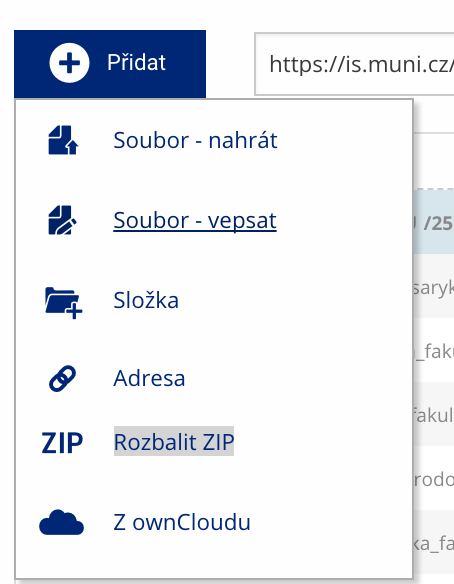 Soubor nebo složku lze nahrát pomocí tlačítka Přidat.
 -
Další operace se soubory
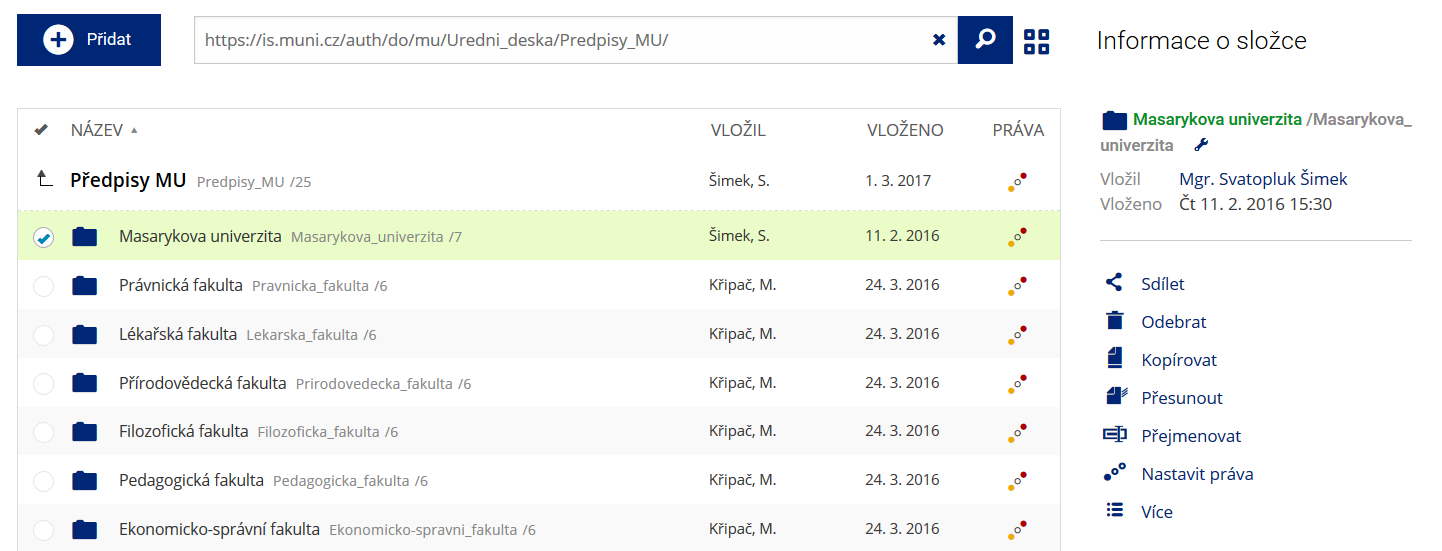 Podrobnosti lze zjistit označením příslušného řádku.
 -
Pohled pro experty
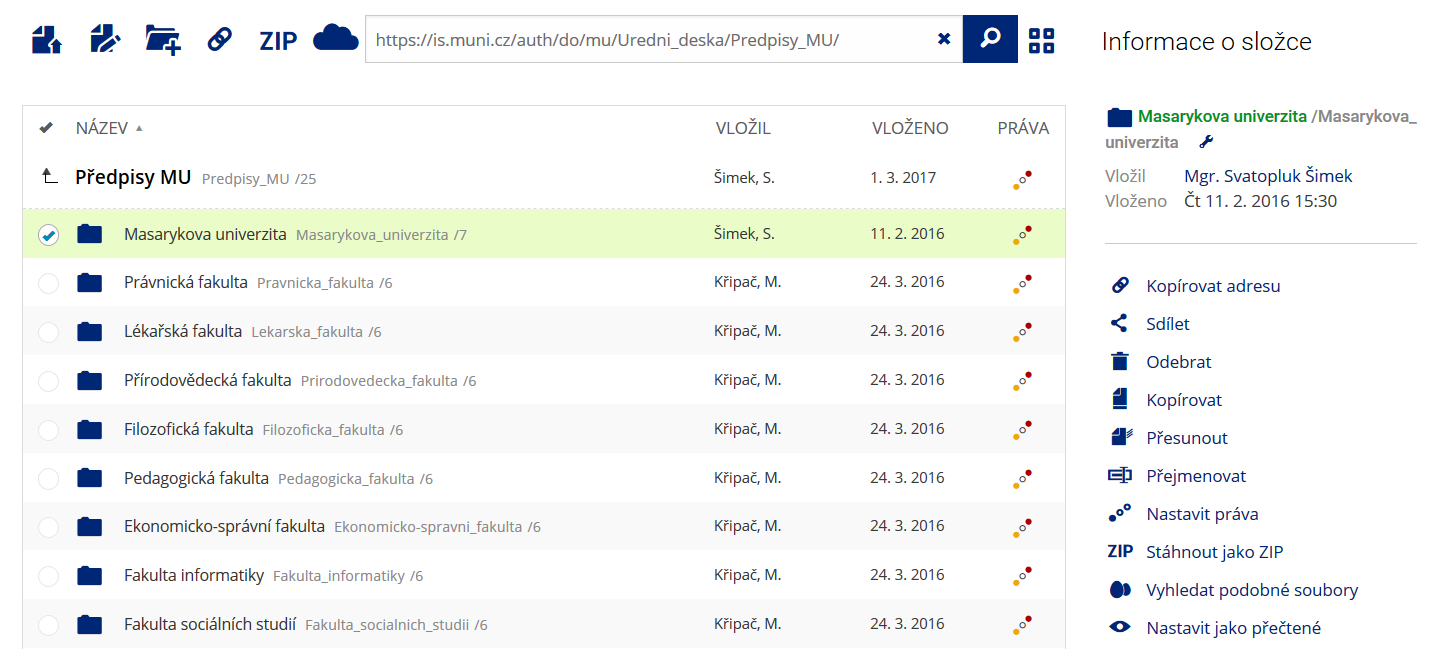 Pro častou práci je možné zvolit režim Více možností.
 -
Vyhledávání souborů
 Vyhledávaný výraz můžete zadat přímo do adresního řádku.
 -
Rychlý přístup k souborům
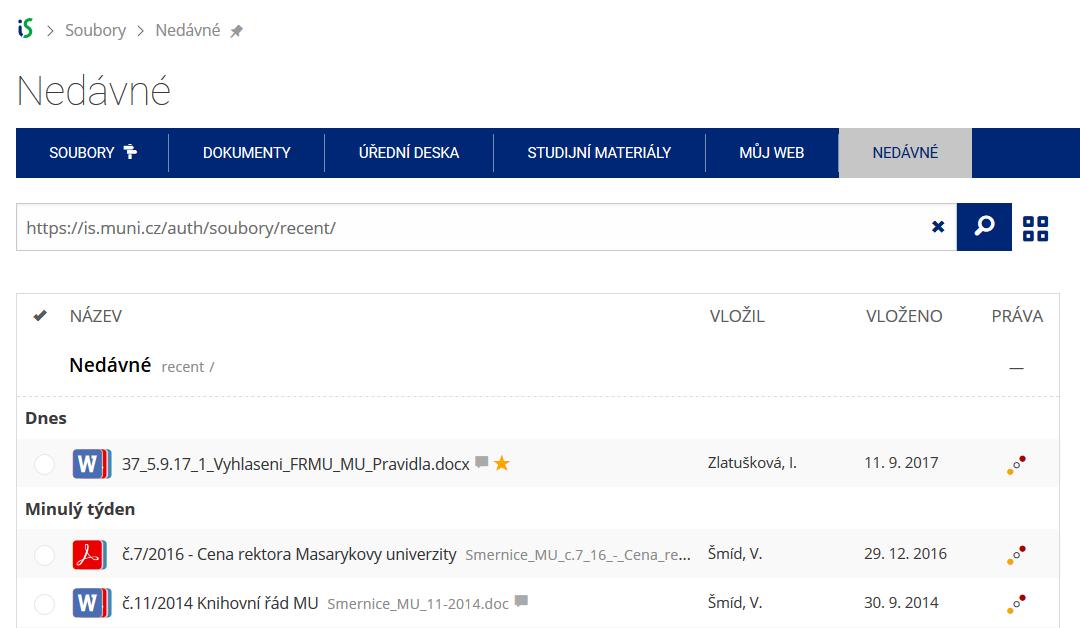 Pomocí funkce Nedávné je možné se rychle vrátit k právě prohlíženým souborům. Oblíbené soubory je také možné označit Hvězdičkou.