Závěrečná práce: Gustav Svedberg: Energy poverty: area for cooperation among the Visegrád countries?
Bakalářská práce
Energy poverty: area for cooperation among the Visegrád countries?
Anotace
As members of the European Union, the Visegrád countries enjoy a supranational regulative framework on energy policies, with some directives that articulate the setbacks of energy poverty. However, are the formulated energy policies and directives on the supranational level too generic for a practical application? The prevalence of energy poverty across the union differs widely. The post-communist …více
Abstract
As members of the European Union, the Visegrád countries enjoy a supranational regulative framework on energy policies, with some directives that articulate the setbacks of energy poverty. However, are the formulated energy policies and directives on the supranational level too generic for a practical application? The prevalence of energy poverty across the union differs widely. The post-communist …více
Zadání práce
14. 12. 2021 08:51, doc. Mgr. Hedvika Koďousková, Ph.D., učo 103008
 angličtina
Práce na příbuzné téma
Seznam prací, které mají shodná klíčová slova.
-
Prípadová štúdia politík na znižovanie energetickej chudoby na Slovensku
Mgr. Dominik Bořuta -
Severská spolupráca: inšpirácia pre Vyšehrad?
Bc. Anna Maria Gleb -
Energetická účinnosť ako forma boja proti energetickej chudobe na Slovensku
Ing. Patrícia Guzlejová -
Ako ďalej s V4? Slovenská perspektíva
Mgr. Matúš Oravkin -
Energy poverty among students: a study of Brno and Bergen
Mgr. Caroline Railová -
Rola dotačného programu Nová zelená úsporám Light v riešení energetickej chudoby
Mgr. Aneta Kudolániová -
Problém energetické efektivity a jeho řešení v případě Ruské federace - komparativní případová studie
Mgr. Kristýna Mojdlová -
Software Design Patterns and Energy Efficiency in Android
Mgr. Ján Zauška
Složky
Soubory
-
Přidání souboru
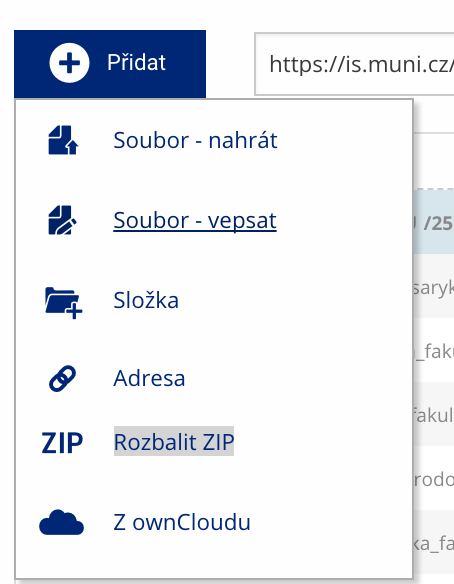 Soubor nebo složku lze nahrát pomocí tlačítka Přidat.
 -
Další operace se soubory
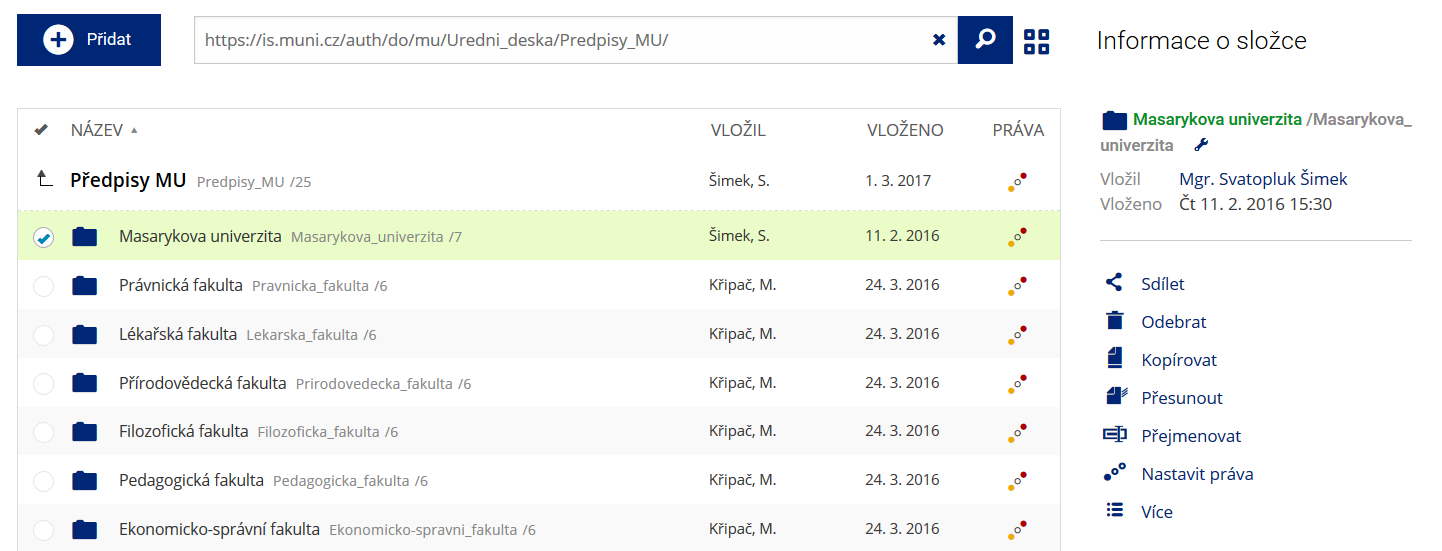 Podrobnosti lze zjistit označením příslušného řádku.
 -
Pohled pro experty
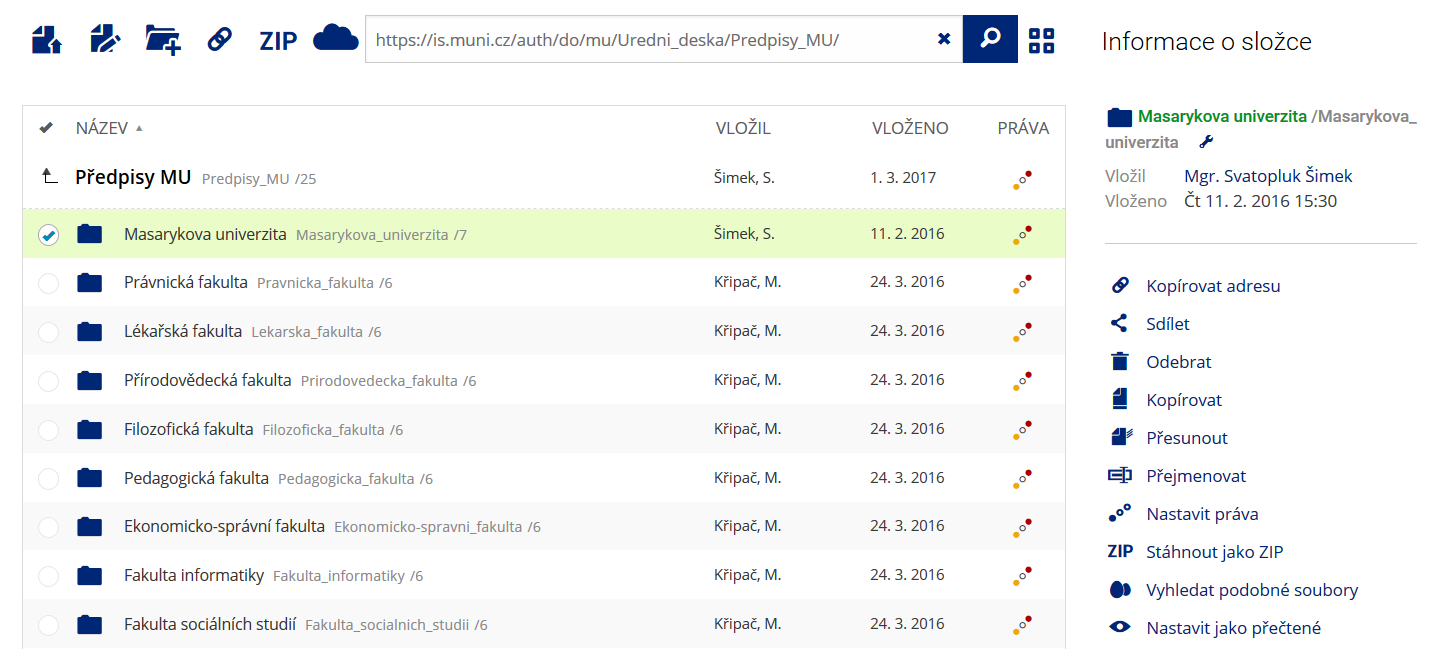 Pro častou práci je možné zvolit režim Více možností.
 -
Vyhledávání souborů
 Vyhledávaný výraz můžete zadat přímo do adresního řádku.
 -
Rychlý přístup k souborům
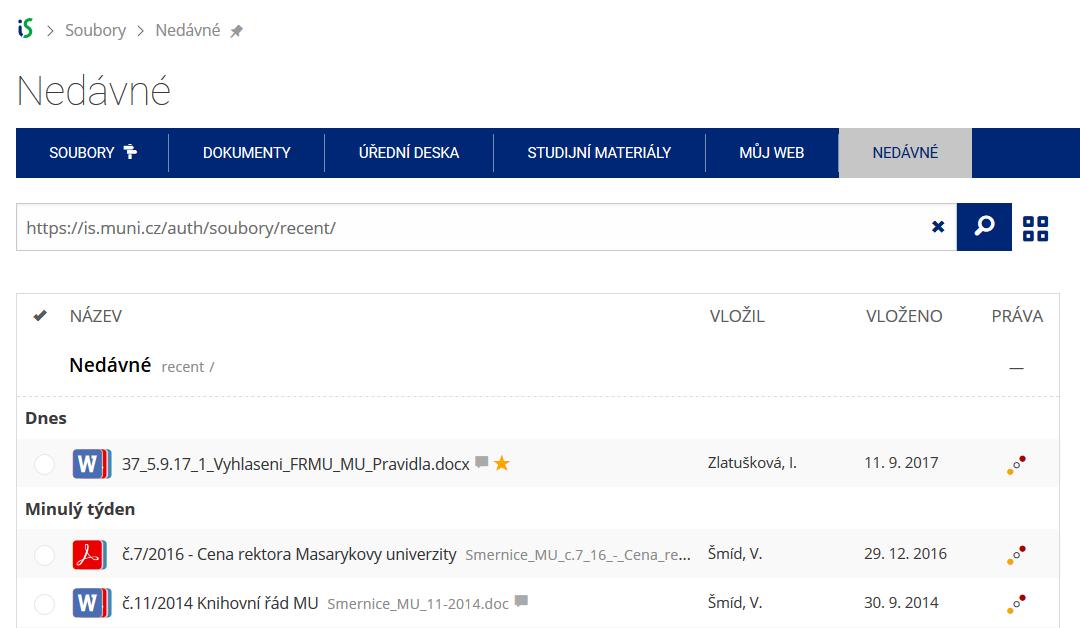 Pomocí funkce Nedávné je možné se rychle vrátit k právě prohlíženým souborům. Oblíbené soubory je také možné označit Hvězdičkou.