Diplomová práce

Assessing the Impact of European Court of Human Rights on Russia's Conduct in Chechnya in the Context of the Judicialization of World Politics

Bc. Petr Preclík, učo 102905
Anotace

Předkládaná práce zkoumá, existuje-li vysledovatelný vliv Evropského soudu pro lidská práva (ESLP) na politiku Ruské Federace v Čečensku. Práce pro tento účel využívá teoretický model Alec Stone Sweeta, který říká, že judicializace je úspěšná, pokud judiciální mechanismus získá schopnost ovlivňovat strategické rozhodování aktérů, kteří jsou v jeho jurisdikci. Následný výzkum potvrdil, že ESLP touto …více

Abstract

The aim of the presented thesis is to assess the potential impact of the European Court for Human Rights (ECtHR) on the conduct of Russian Federation during the armed conflict in Chechnya. To this end, the research builds on the theoretical model of Alec Stone Sweet arguing that judicialization is successful as soon as the judicial mechanism develops authority over the strategic behaviour of actors …více

Zadání práce
The neoliberal theory of international regimes together with the constructivist theory of security as a speech act has claimed the importance of the political discourse applied by a state actor while taking any course of action. In order to maintain the one’s perceived status or one’s soft power within the international system, states are forced to legitimize their actions. One of the strongest tools of such legitimization is international law. Thus, it is no longer possible to dismiss international law within the discipline of international relations as the “language of politics is [currently] replenished with language of law” and even the security policies considered by many as the crudest hard-issue requires legal reasoning and explaining. Nevertheless, the simple need to legitimize one’s actions within the international law together with a wish to maintain one’s status does not prevent states from unlawful actions and the simple realist argument that “where is no power, there can be no law” maintains some of its original appeal. However, the question becomes somewhat more complicated, as soon as one considers the situation, when a citizen can bypass the state and “directly use international allies and extra-domestic fora to put pressure on the state.” Within the European context, the European Court for Human Rights (ECtHR) represents one of the strongest examples of such international forum whose decision may directly influence or even alter the political behavior of a state over which it exercises its jurisdiction. In this sense, the phenomenon of “de-politicization of democracy and judicialization of politics,” well described on the national level, is transposed onto the international level and the unlawful behavior of respective states bears much stronger consequences. For that reason, the presented thesis focuses on the Council of Europe and the ECtHR and discusses their alleged ability to influence the state’s decisions in security issues. Firstly, the thesis will discuss in general the phenomena of judicialization of politics and the, so often overlooked, overlap between the disciplines of international relations and international law, including human rights law and humanitarian law. Secondly, it will discuss the general trends in the field, that is, the applicability of European Convention on Human Rights during the state of emergency and then in state of war, potential convergence between the Convention and the international humanitarian law as presented in Geneva Conventions and their protocols; and attempted use of the Convention during the conflicts in Serbia, Afghanistan and Iraq. Thirdly and lastly, it will turn its attention to the comparison of current two examples, that is, Russia and Turkey. The question is whether the rulings of ECtHR have influenced or altered anyhow the conduct of these two members of Council of Europe in Chechnya and the so-called Kurdistan, respectively. Bibliography: Buzan, Barry, Wilde, Jawo De, Waever, Ole, Security: A New Framework for Analysis, Boulder: Lynne Rienner Publisher, 1997. 2Finnemore, Martha and Toope, Stephen J., Alternatives to Legalization: Richer Views on Law and Politics, p. 753-768, in International Organization, Vol. 55, No. 3, 2001. Goldstein, Judith and Keohane, Robert O. (eds.), Ideas and Foreign Policy: Beliefs, Institutions, and Political Change, Ithaca and London: Cornell University Press, 1993. Umland, Andreas (ed.), The Implementation of the European Convention on Human Rights in Russia: Philosphical, Legal, and Empirical Studies, Stuttgart: Ibidem Verlag, 2001. Jouannet, Emmanuelle, Universalism and Imperialism: The True-False Paradox of International Law?, p. 379-407, in European Journal of International Law, Vol. 18, No. 3, 2007.
Práce zkontrolována:
11. 12. 2009 07:24, JUDr. Mgr. Ivo Pospíšil, Ph.D., učo 23638
Plný text práce
735,3 KB / soubor PDF
Jazyk práce
angličtina angličtina
Termín obhajoby
11. 1. 2010
Práce byla úspěšně obhájena

Vedoucí

JUDr. Mgr. Ivo Pospíšil, Ph.D., učo 23638
KMVES FSS MU

Oponent

Mgr. Hubert Smekal, Ph.D.
KMVES FSS MU

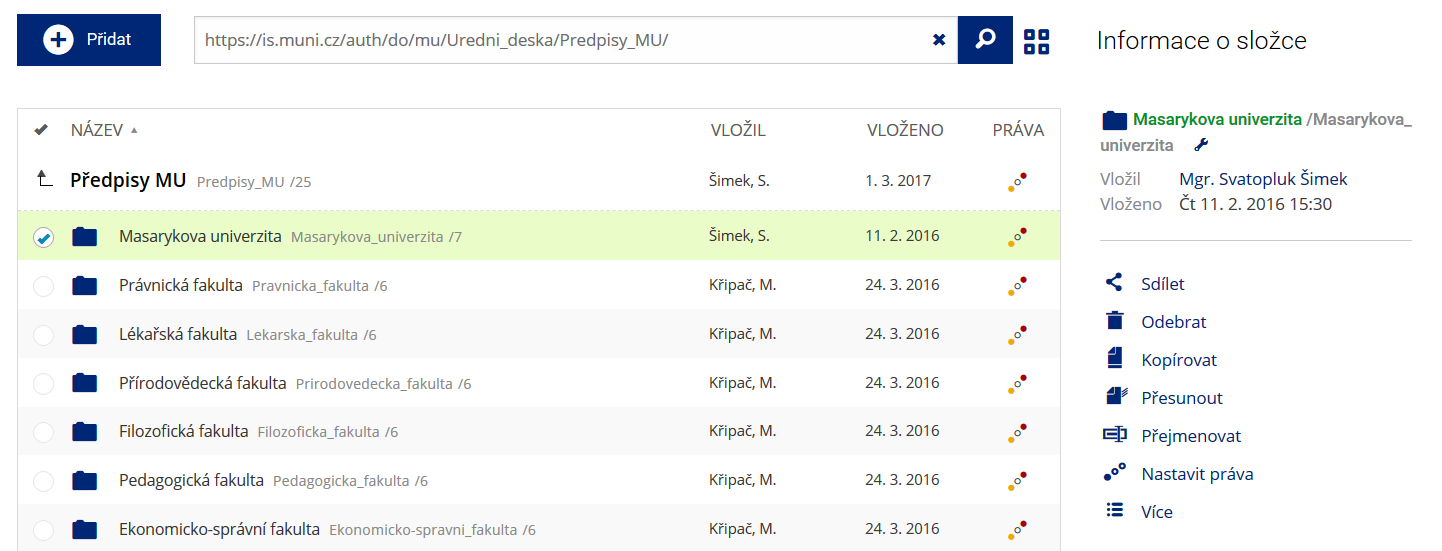
  • Přidání souboru

    Soubor nebo složku lze nahrát pomocí tlačítka Přidat.
  • Další operace se soubory

    Podrobnosti lze zjistit označením příslušného řádku.
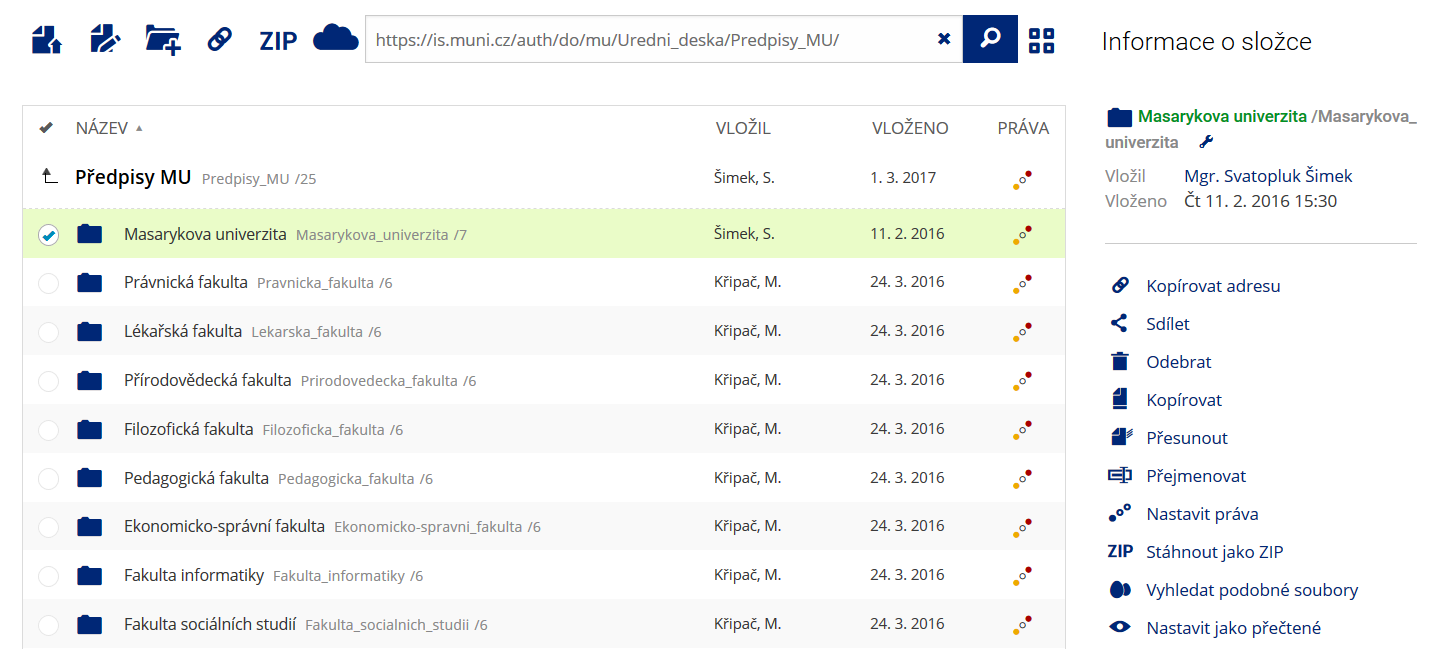
  • Pohled pro experty

    Pro častou práci je možné zvolit režim Více možností.
  • Vyhledávání souborů

    Vyhledávaný výraz můžete zadat přímo do adresního řádku.
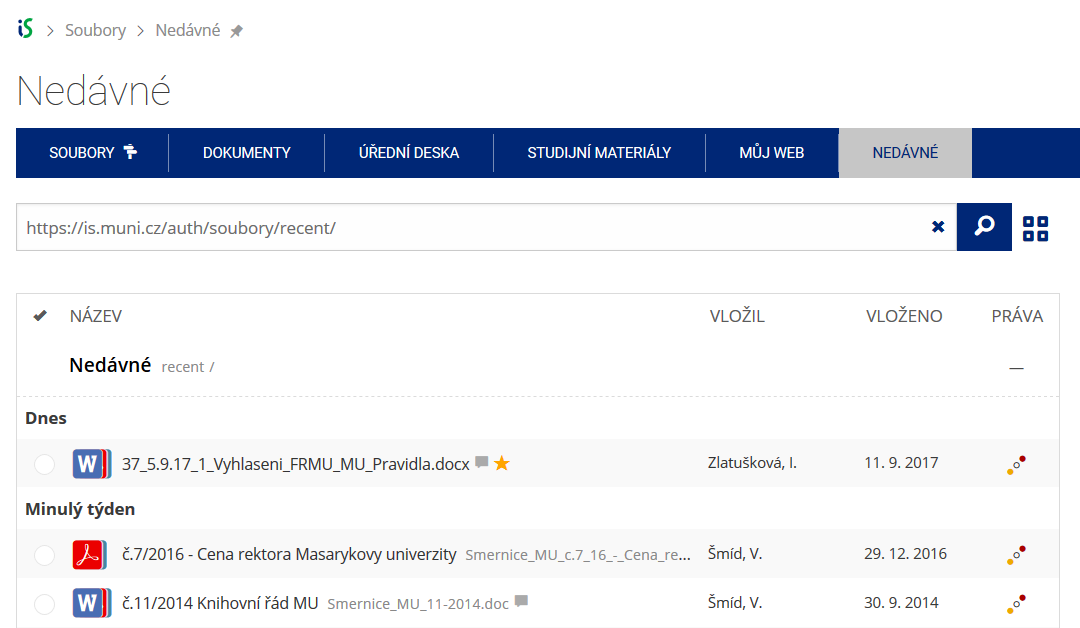
  • Rychlý přístup k souborům

    Pomocí funkce Nedávné je možné se rychle vrátit k právě prohlíženým souborům. Oblíbené soubory je také možné označit Hvězdičkou.