Závěrečná práce: Ing. Andres Santiago Rodriguez Ron: Nuclear Energy in the Future Energy Mix in Poland: A Case Study of the Polish Energy Sector
Diplomová práce
Nuclear Energy in the Future Energy Mix in Poland: A Case Study of the Polish Energy Sector
Anotace
The purpose of this research is to find out if a nuclear power plant is indeed beneficial to the energy security of Poland. Therefore, the research uses the four dimensions of energy security proposed by Jonathan Elkind, and the energy security index proposed by Benjamin Sovacool for measuring and analyzing the energy security in Poland in the year 2010 without the construction of a nuclear power plant and in the year 2035 with the use of nuclear energy.
Abstract
The purpose of this research is to find out if a nuclear power plant is indeed beneficial to the energy security of Poland. Therefore, the research uses the four dimensions of energy security proposed by Jonathan Elkind, and the energy security index proposed by Benjamin Sovacool for measuring and analyzing the energy security in Poland in the year 2010 without the construction of a nuclear power plant and in the year 2035 with the use of nuclear energy.
Zadání práce
3. 6. 2016 13:17, doc. PhDr. Tomáš Vlček, Ph.D., učo 179046
- Zadáno/změněno 22. 6. 2016 12:23, Mgr. et Mgr. Veronika Velička Zapletalová, Ph.D., učo 137853
- Záznam založen 4. 5. 2016 12:47, Mgr. et Mgr. Veronika Velička Zapletalová, Ph.D., učo 137853
- Zveřejnit od 18. 5. 2016 11:56, Mgr. et Mgr. Veronika Velička Zapletalová, Ph.D., učo 137853
- Práce převzata 18. 5. 2016 11:56, Mgr. et Mgr. Veronika Velička Zapletalová, Ph.D., učo 137853
 angličtina
Literatura
- Nuclear energy : an introduction to the concepts, systems, and applications of nuclear processes (Orig.) : Atomnaja energetika.
- National nuclear energy series. Manhatten project technical section. Division IV - Plutonium project section.
- Progress in nuclear energy.
- MANNING, Robert A. The Asian Energy Factor : Myths and Dilemmas of Energy, Security and the Pacific Future. Palgrave Macmillan, 2000, 256 s. ISBN 978-0-312-22437-0.
- PASCAL, Carlos a Jonathan ELKIND. Energy Security: Economics, Politics, Strategie and Implications. Washington: Brookings Institution Press, 2009, 279 s.
- Energy security : economics, politics, strategies, and implications. Edited by Carlos Pascual - Jonathan Elkind. Washington: Brookings Institution Press, 2010, viii, 279. ISBN 9780815769194.
- Energy security : managing risk in a dynamic legal and regulatory environment. Edited by Barry Barton. Oxford: Oxford University Press, 2004, xviii, 490. ISBN 0199271615.
- Energy security challenges for the 21st century : a reference handbook. Edited by Gal Luft - Anne Korin. Santa Barbara: Praeger Security International, 2009, xv, 372. ISBN 9780275999971.
- VLČEK, Tomáš; Michal VÍT; Kateřina JETELINOVÁ a Zdislava MARTINKOVÁ. Common Borders, Common Matters : Nuclear energy development in the Czech Republic, Germany and Poland and its impact on bilateral and trilateral relations of neighboring countries. 2011.
- BAHGAT, Gawdat. Energy security : an interdisciplinary approach. Chichester: Wiley, 2011, xxvii, 226. ISBN 9780470689042.
- Nuclear energy debate. Edited by Justin Healey. Thirroul, N.S.W.: Spinney Press, 2012, 60 p. ISBN 9781921507380.
- VIVODA, Vlado. Diversification of oil import sources and energy security: A key strategy or an elusive objective? Energy Policy. Elsevier B.V, 2009, roč. 37, č. 11, s. 4615-4623. ISSN 0301-4215.
- SOVACOOL, Benjamin K. a Ishani MUKHERJEE. Conceptualizing and measuring energy security: A synthesised approach. Energy. 2011, roč. 36, č. 8, s. 5343-5355. ISSN 0360-5442.
- SCHEJBALOVÁ, Barbora a Filip ČERNOCH. Atomausstieg: The withdrawal of Germany from nuclear energy and its impact on energy security and the diversification of energy supply. International Issues & Slovak Foreign Policy Affairs. Research Center of the Slovak Foreign Policy Association, 2013, roč. 2013, č. 3, s. 74-99. ISSN 1337-5482.
- Energy security and geopolitics in the Arcticchallenges and opportunities in the 21st century. Edited by Hooman Peimani. Singapore: World Scientific Pub. Co., 2012, xxiii, 296. ISBN 9789814401470.
- VLČEK, Tomáš; Martin JIRUŠEK a James HENDERSON. The Role of Nuclear in European Energy Security. In Regional Energy Development and Energy Security, Bulgaria, Sofia, 28-29 October 2014. 2014.
- SOVACOOL, Benjamin K.; Benjamin R. JONES a Roman V. SIDORTSOV. Energy security, equality and justice. First published. London: Routledge, 2014, xix, 213. ISBN 9780415815208.
- VLČEK, Tomáš. Activities of Rosatom State Nuclear Energy Corporation in CEE Nuclear Energy Sectors. In Energy Security in Central and Eastern Europe and the Operations of Russian State-Owned Energy Enterprises. 2015.
- ANSOLABEHERE, Stephen a John DEUTCH. The future of Nuclear Power. 2003. ISBN 0-615-12420-8.
- DEUTCH, John a Charles FORSBERG. Update of the MIT 2003 Future of Nuclear Power. 2009.
- ROQUES, Fabien a William NUTTALL. Nuclear Power: A Hedge against Uncertain Gas and Carbon Prices? The Energy Journal. 2006.
- ROQUES, Fabien a David NEWBERY. Fuel mix diversification incentives in liberalized electricity markets: A Mean–Variance Portfolio theory approach. Energy Economics. 2007.
- ROTHWELL, Geoffrey. A Real Options Approach to Evaluating New Nuclear Power Plants. The Energy Journal. 2006.
Citace dle normy ČSN ISO 690
Práce na příbuzné téma
Seznam prací, které mají shodná klíčová slova.
-
Téma jaderné energetiky v Polsku: Analýza prohlášení třetí vlády Donalda Tuska
Bc. Kateřina Sochorová -
Rozdílné přístupy kancléřů Gerharda Schrödera a Olafa Scholze k energetické bezpečnosti
Ing. Mgr. Eliška Kubešová -
Energetický mix středoevropského regionu s důrazem na ČR a perspektivy spolupráce
Mgr. Jitka Hofbauerová -
Transformace polského uhelného sektoru: možnosti pro udržitelnou energetickou budoucnost
Bc. Jakub Czepiec -
Jaderná energetika v českém politickém diskurzu před a po ruské invazi na Ukrajinu
Bc. Jasmína Voráčková -
Polish Coal Sector: Beginning of a Phase out Era?
Mgr. Anežka Konečná, učo 449212 -
Posouzení přeshraniční spolupráce v oblasti péče a obnovy kulturních hodnot
Mgr. Vendula Urabetzová -
Budoucnost malých modulárních reaktorů v Polsku
Mgr. Mateusz Kotrla
Složky
Soubory
-
Přidání souboru
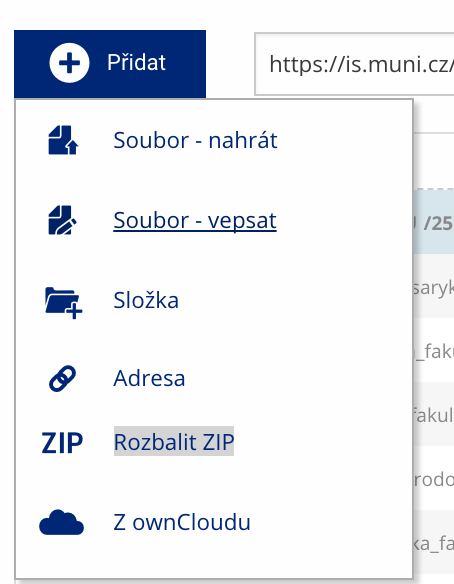 Soubor nebo složku lze nahrát pomocí tlačítka Přidat.
 -
Další operace se soubory
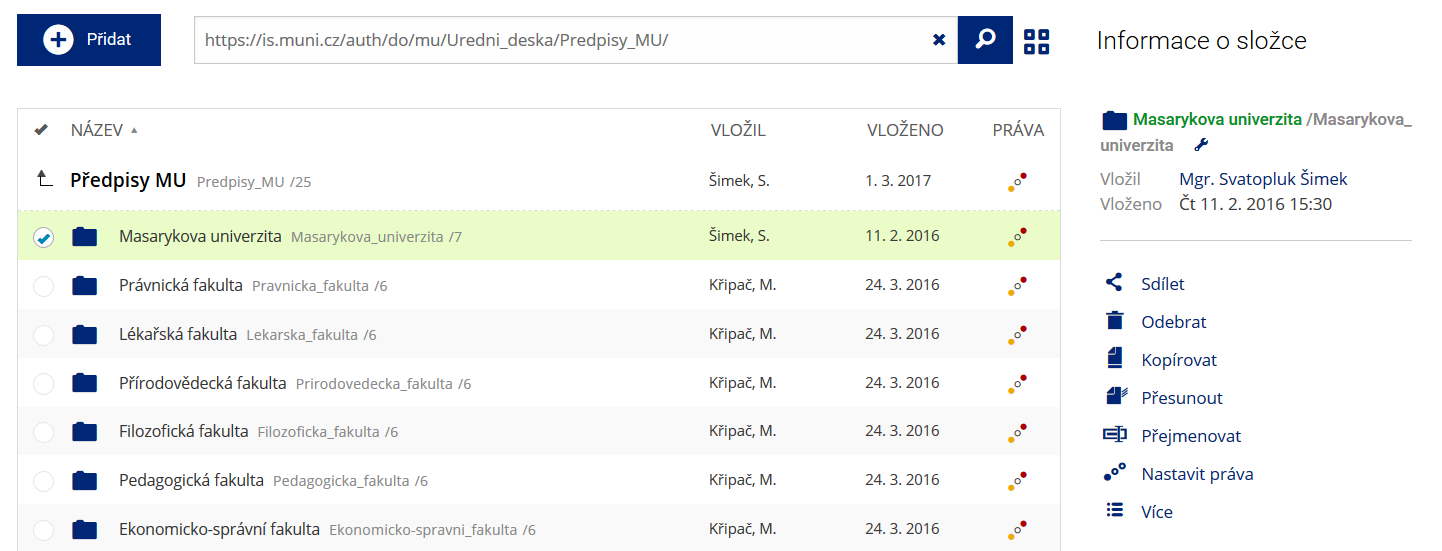 Podrobnosti lze zjistit označením příslušného řádku.
 -
Pohled pro experty
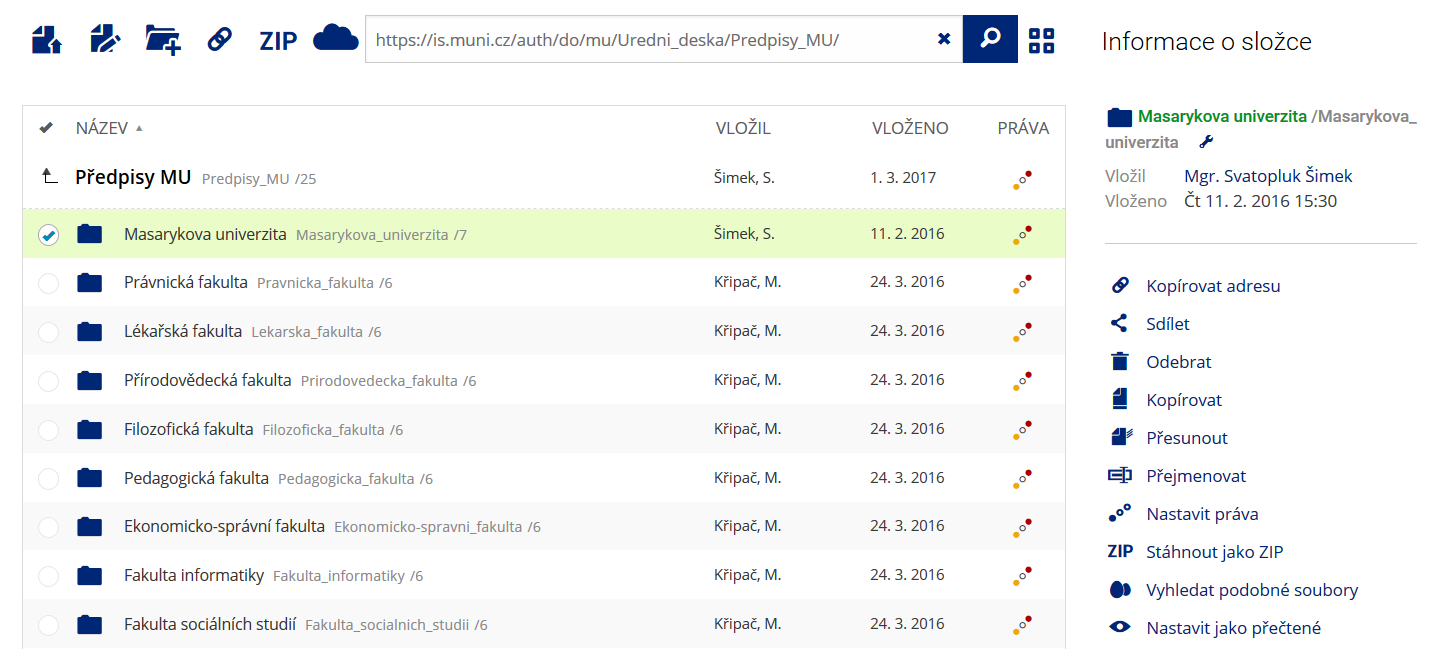 Pro častou práci je možné zvolit režim Více možností.
 -
Vyhledávání souborů
 Vyhledávaný výraz můžete zadat přímo do adresního řádku.
 -
Rychlý přístup k souborům
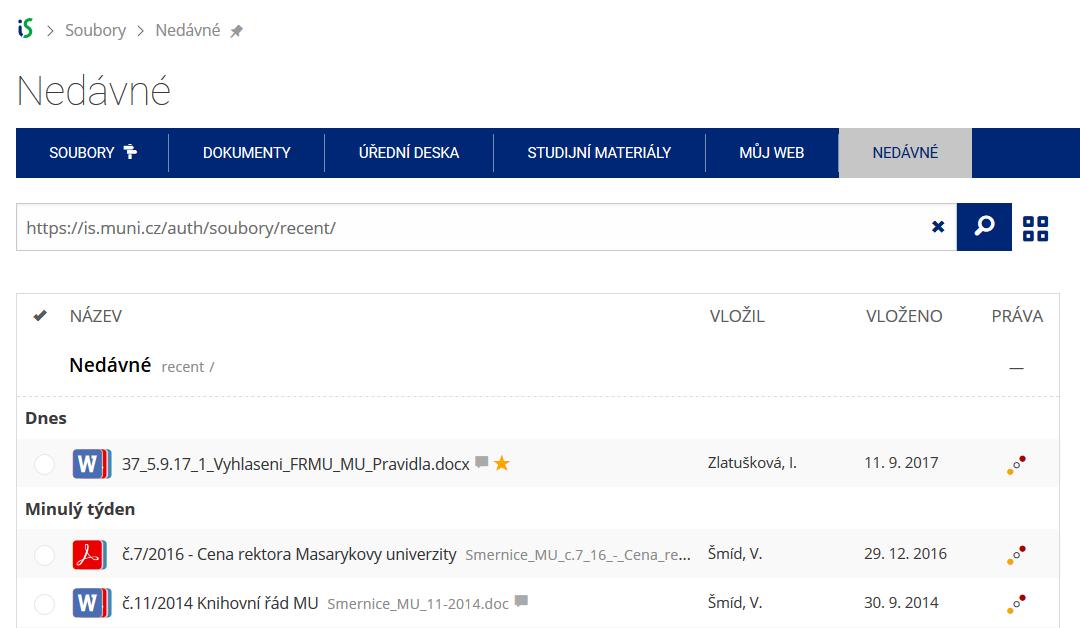 Pomocí funkce Nedávné je možné se rychle vrátit k právě prohlíženým souborům. Oblíbené soubory je také možné označit Hvězdičkou.