Závěrečná práce: Bc. Jakub Kiska: GPU acceleration of the continuous heterogeneity analysis in Xmipp
Diplomová práce
GPU acceleration of the continuous heterogeneity analysis in Xmipp
Anotace
Kryoelektrónová mikroskopia je aktuálne jednou z najúspešnejších metód na stanovenie 3D usporiadania molekúl živých buniek. Dáta z mikroskopu sú spracovávané počítačmi za účelom zníženia šumu a rekonštrukcie objemu skúmaného vzorku. Hlavným cieľom tejto práce je akcelerácia nového algoritmu vyvinutého na rekonštrukciu 3D objemu z heterogénnych vzoriek získaných pomocou kryoelektrónovej mikroskopie …více
Abstract
Cryo-electron microscopy is currently one of the most successful methods to determine the 3D arrangement of living cell molecules. Computers process data obtained from a microscope to reduce the noise and reconstruct the volume representing the sample. The primary goal of this thesis is to accelerate a novel algorithm developed for the reconstruction of 3D volume from heterogeneous samples obtained …více
Zadání práce
The Xmipp is a software package for cryo-EM data reconstruction developed by CNB CSIC. GPU-accelerated versions of the hotspots in Xmipp are developed as a joint effort of ICS MUNI and CNB CSIC.
The novel version of an algorithm allowing Xmipp to analyze the continuous heterogeneity of a specimen (typically a macromolecule) was developed by CNB. In its current implementation, multi-core CPUs are utilized. The processing speed of the current implementation is better than the older algorithm but still limits its practical usage.
The master thesis will focus on GPU acceleration of the new algorithm for continuous heterogeneity analysis. The bottleneck of the algorithm is the forward and backward interpolation of the voxel space. The student will work on the forward interpolation, implement and optimize the CUDA kernel, which replaces the bottleneck's implementation and integrates this kernel into Xmipp. Furthermore, the student analyzes the rest of the CPU code and introduces additional optimizations if necessary. The thesis will evaluate the original CPU-based implementation, the new GPU-based implementation, and proposed optimizations of the GPU-based implementation.
16. 5. 2023 13:59, doc. RNDr. Jiří Filipovič, Ph.D., učo 72898
 angličtina
Literatura
- HERREROS, David; Roy R LEDERMAN; James KRIEGER; Amaya JIMENEZ-MORENO; Marta MARTINEZ; David MYŠKA; David STŘELÁK; Jiří FILIPOVIČ; Ivet BAHAR; Jose Maria CARAZO a Carlos Oscar S SANCHEZ. Approximating deformation fields for the analysis of continuous heterogeneity of biological macromolecules by 3D Zernike polynomials. International Union of Crystallography Journals. online, 2021, roč. 8, č. 6, s. 992-1005. ISSN 2052-2525. Dostupné z: https://doi.org/10.1107/S2052252521008903.
Práce na příbuzné téma
Seznam prací, které mají shodná klíčová slova.
-
GPU acceleration of the continuous heterogeneity analysis in Xmipp
Mgr. Dávid Šutor -
Using LLM to optimize a GPU-accelerated code
Bc. Lukáš Dadák -
Stavba SBVH na grafickém hardware
Mgr. Radek Stibora -
Akcelerace inter-frame predikce standard H.265 na masivně paralelních GPU architekturách
Mgr. Vojtěch David -
Dynamic autotuning of SpMV kernel in CUSP library
Mgr. František Bráblík, učo 469074 -
Návrh a implementace aritmetického kodéru pro platformu CUDA
RNDr. Vít Rusňák, Ph.D., učo 172757 -
Akcelerace bilaterálního filtru na GPU
Mgr. Zoey Wraith -
Evolution of Nvidia GPU from microarchitectures Pascal to Ampere
Mgr. Marek Toma, učo 485275
Složky
Soubory
-
Přidání souboru
 Soubor nebo složku lze nahrát pomocí tlačítka Přidat.
 -
Další operace se soubory
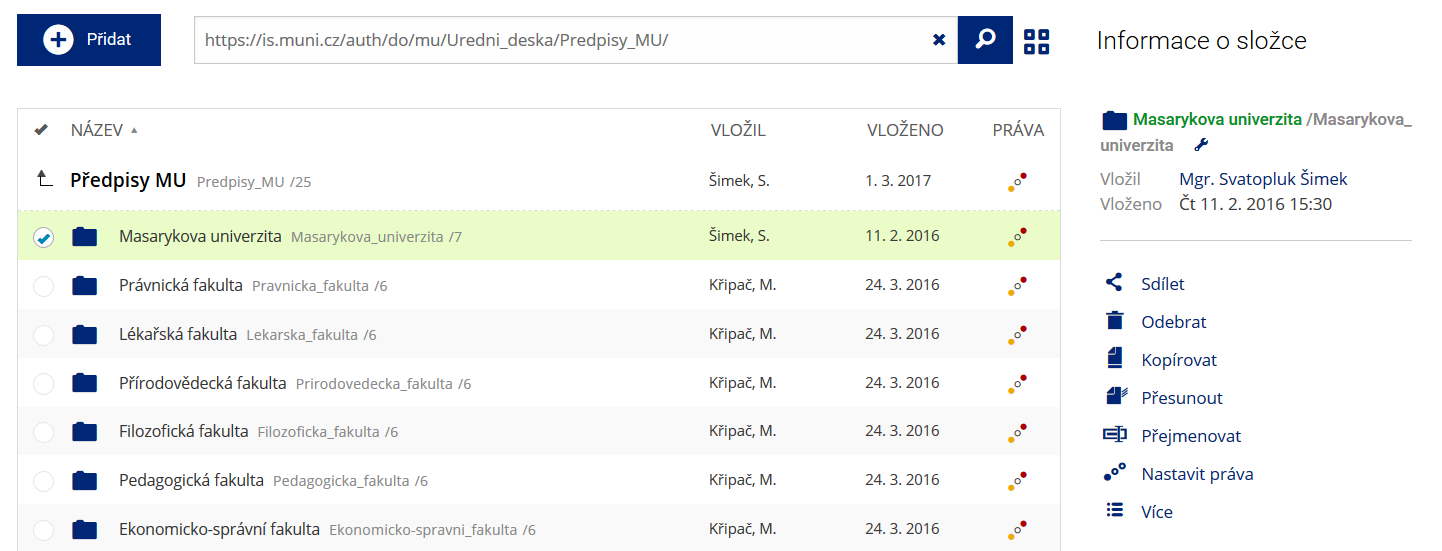 Podrobnosti lze zjistit označením příslušného řádku.
 -
Pohled pro experty
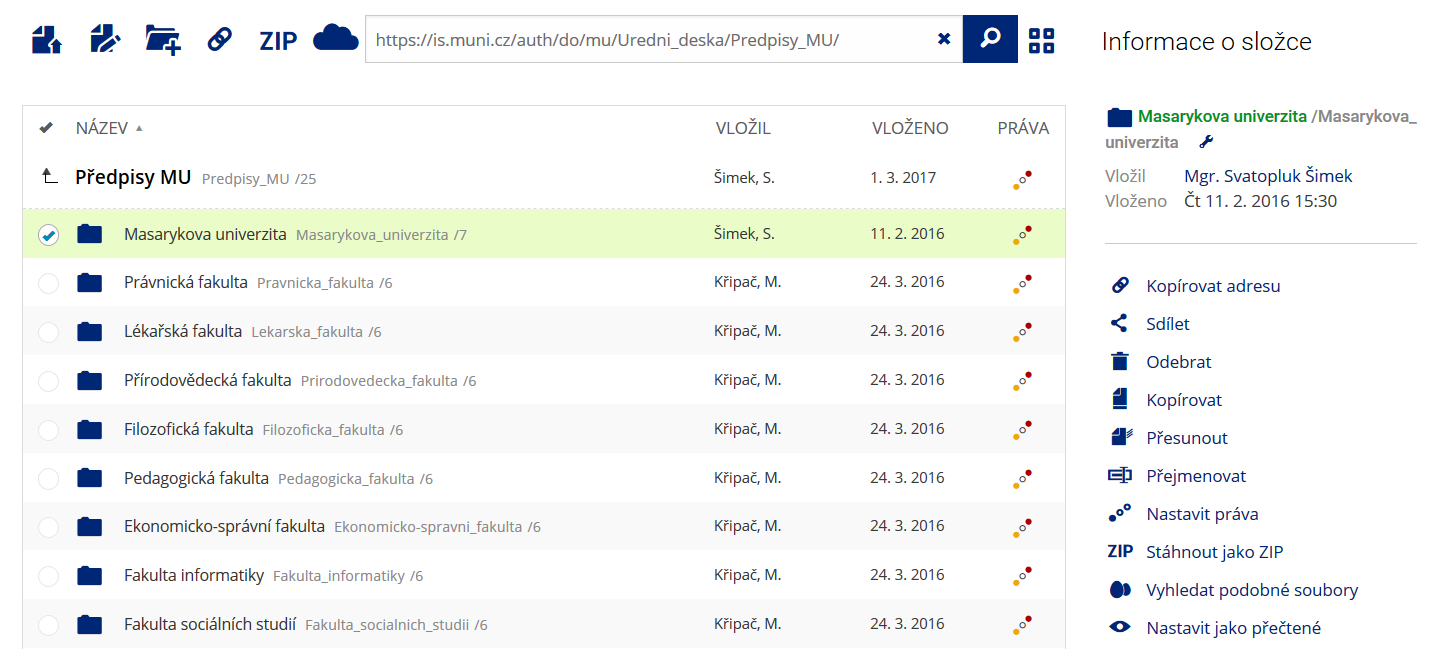 Pro častou práci je možné zvolit režim Více možností.
 -
Vyhledávání souborů
 Vyhledávaný výraz můžete zadat přímo do adresního řádku.
 -
Rychlý přístup k souborům
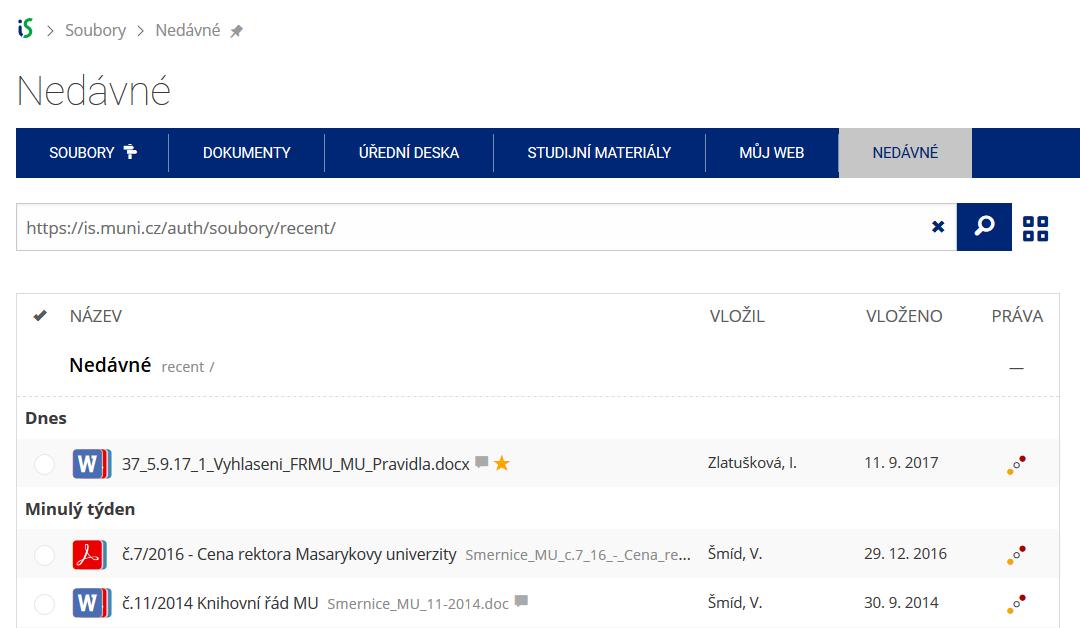 Pomocí funkce Nedávné je možné se rychle vrátit k právě prohlíženým souborům. Oblíbené soubory je také možné označit Hvězdičkou.