Anotace
ANOTACE
Velšské středověké texty obsažené v souboru nazvaném Mabinogi,
jejichž písemné ztvárnění se většinou datuje do rozmezí
dvanáctého a třináctého století, mají své prameny v bohaté
ústní tradici, jejíž původní příběhy, místa a hrdinové v sobě
zrcadlí starší mytologické motivy, stejně jako dramatické
kapitoly starověké a raně středověké britské historie. Mnohá
místní jména, jakožto i jména hrdinů, zvířat, rodů a etnik,
zmíněná v těchto kulturně a jazykově osobitých textech, nás
nepřestávají inspirovat svojí originalitou a nápaditostí. Při
jejich studiu jsme neustále překvapováni jejich více či méně
zřejmou spojitostí s historickými událostmi i s mnohem staršími
indoevropskými mytologickými motivy.
Cílem předkládané disertační práce je zejména zevrubný rozbor
osobních, zvířecích, místních a etnických jmen, která jsou
zmíněna v Mabinogi, jejich porovnání s ostatními relevantními
literárními texty středověkého Walesu (mezi které patří např.
Triády Britských ostrovů, Culhwch a Olwen a ostatní příběhy
zahrnuté do širšího souboru velšských lidových příběhů
Mabinogion, Taliesinovy básně a Y Gododdin), a uvedení těchto
jmen do jazykového, historického, geografického a mytologického
kontextu. Nejrozsáhlejší část disertační práce tvoří tři
nezávislé glosáře, ve kterých jsou v abecedním pořádku uvedena
všechna vlastní (osobní a zvířecí), místní a etnická jména
vyskytující se v Mabinogi. Každému z vlastních a místních jmen
náleží vstup v příslušném glosáři, ve kterém je nejprve uveden
výčet variant, ve kterých se jméno vyskytuje v originálním
textu Mabinogi. Následuje zevrubná etymologická studie
zahrnující proto-keltské a proto-indo-evropské formy daného
jména spolu s jeho kognáty vyskytujících se v jiných, zvláště
pak keltských jazycích. U každého z názvů a jmen je taktéž
uvedena příslušná velšská pasáž (původní text Mabinogi), ve
kterém se jméno nachází, její anglický překlad, a krátký výklad
literárního a dějového významu. Následují možné interpretace,
lokalizace a mytologické či historické vazby, které se u
každého ze jmen nabízejí. Práce také zahrnuje zásadní výklady,
které již byly v souvislosti s konkrétními proprii publikovány.
Cílem studie bylo vytvořit zevrubnou a detailní práci, která by
zpřehlednila a osvětlila komplexitu původu, příbuznosti a
vývoje osobních, zvířecích, místních a etnických jmen
obsažených v textech Mabinogi, které bezesporu tvoří zásadní
součást dědictví středověkého velšského jazyka.
Předkládaná studie osobních, zvířecích, místních a etnických
jmen obsažených v Mabinogi (a eventuálně v jiných relevantních
středověkých velšských textech) aplikuje několik výzkumných
metod. Předně, u každého z uvedených jmen je vypracován
podrobný etymologický rozbor, jehož výsledek je pak dále
rozveden v širším jazykovém, historickém a mytologickém
kontextu. Osobní, místní a etnická jména vyskytující se v
dalších relevantních textech jsou následovně náležitě porovnána
a jejich příbuznost prověřena a popsána. Texty jsou v
neposlední řadě podrobeny paralelní komparaci z hlediska
filologického, narativního i historického. Disertační práce
konzistentně slučuje metodu srovnávací lingvistiky a
etymologického rozboru se studiemi komparativní mytologie a
historické analýzy. Glosář místních jmen je navíc opatřen
mapami s přibližnými možnými lokalizacemi příslušných míst.
Každý vstup (každé vlastní jméno) taktéž nabízí seznam pasáží,
v kterých se, v rámci Mabinogi, dané jméno nachází (spolu s
rozličnými formami, v kterých se jméno může vyskytnout). Tento
detail pomáhá čtenáři lokalizovat analyzované jméno v rámci
celého rozsáhlého textu.
Jazykem předkládané disertační práce je angličtina. Původní
středovelšský text je použit v citovaných úryvcích vyňatých z
Mabinogi, Triád Britských ostrovů, příběhu Culhwch a Olwen,
Taliesinových básní a textu Y Gododdin. V překladech
konkrétních textových pasáží jsou použity různé historické i
moderní překlady do angličtiny. V mnohých případech je
nabídnuto více možných překladů – pro srovnání a možné
alternativní interpretace. …víceméně
Abstract
ABSTRACT
The medieval Welsh texts contained in the collection of four
interrelated narratives (branches) called the Mabinogi are
usually dated to the 12th and 13th centuries. The manuscripts
and the stories they tell, however, sprang from much older and
immensely abundant oral traditions in which we can glimpse the
original motifs, places and heroes that in themselves reflect
much older mythological and cosmological concepts, as well as
dramatic episodes of ancient and early medieval British
history. Many of the place and character names mentioned in
these culturally and linguistically distinguished texts, as
well as the names of animal heroes and ethnic groups, keep us
astonished by their originality, resourcefulness and
imagination. While studying proper names of the Mabinogi in
detail, we are repeatedly reminded of their more or less
obvious connections with real historical events or with much
older Indo-European mythological motifs.
The objective of the submitted thesis is to create a detailed
analysis of the personal, animal, place and ethnic names quoted
in the Mabinogi and elaborate a thorough comparative study
employing other relevant medieval Welsh texts, among which I
would especially like to mention The Triads of the Island of
Britain (Trioedd Ynys Prydein), The Book of Taliesin (Llyfr
Taliesin), Y Gododdin (The Book of Aneirin) and Culhwch ac
Olwen. The aim is to create a detailed and systematic study
which addresses the complexity of the origin and development of
the personal, animal, place and ethnic names contained in the
Mabinogi, and the relationships these names have with their
counterparts from other Welsh or/and Celtic mythological
sources. The Mabinogi represents, without a doubt, a prominent
part of the Welsh medieval literary heritage, and as such it
was chosen as the most suitable primary source of the
proper-names to which the names in other sources are compared.
The main part of the thesis consists of three independent
glossaries in which the reader finds (in an alphabetical order)
all the proper names (of people, animals, places and ethnic
groups) found in the four branches of the Mabinogi, the general
inquiry being conducted from linguistic, historical,
geographical and mythological perspectives.
To each proper name, an individual entry in the corresponding
glossary is ascribed. Each of the entries begins with a list of
all the spelling variants in which the name can be encountered
in the original text of the Mabinogi (and on occasions also in
other medieval Welsh texts). What follows is the etymological
analysis which includes proto-Celtic and Proto-Indo-European
forms of the discussed name and offers the cognates from other
(especially Celtic) languages for a further linguistic
comparative study. Each entry also contains corresponding
excerpts of the original Welsh text in which the proper name
appears, English translations, and a short note commenting on
the literary and narrative context. After the essential
information and the contextual placement, the reader is offered
various scholarly interpretations, localization (of place
names) and possible mythological and/or historical
associations. The extent, depth and focus of the individual
analysis, and the compiled data concerning each proper name,
greatly differ and depend on their specifications. Each entry
also includes all essential studies, theories and suggestions
on the issues already addressed by the academic community.
The thesis applies a number of research methods. Firstly, each
name is listed with a detailed etymological analysis which
provides the results for comparative inquiries within the wider
linguistic, historical and mythological contexts. The proper
names which are also mentioned in other relevant medieval Welsh
sources are compared, and their affinity with their Mabinogi
counterparts is thoroughly examined and described, using the
method of comparative linguistics. The whole narratives and
their episodes are also subjected to a parallel comparative
analysis which covers, in most cases, philological, literary
and historical aspects of the given name. This thesis therefore
consistently combines the research methods of comparative
linguistics with the approaches of etymological analysis and
comparative mythology. The glossary of place names is also
provided with maps showing the approximate locations of the
sites mentioned. Each entry also offers the list of the exact
passages in which the individual names are found within the
text of the Mabinogi. This was done in order to complete the
information on each of the names and give exact directions to
the possible researcher on where to find the discussed name
within the original text.
For practical reasons, I decided upon English as the language
of the dissertation. Firstly, most of the written materials are
already in English, and so the terminology can be applied
consistently. Secondly, most readers who might be interested in
this topic or who may, perhaps, use some of this study’s
results for their own research, will be able to work with the
English language. In the Mabinogi excerpts, the original
medieval Welsh text was used (just as it was the case with The
Triads of the Island of Britain, Culhwch ac Olwen, Taliesin’s
poetry, Y Gododdin and a few others). The translations of the
excerpts are usually presented in modern English (even though
some historical translations are used for comparison). …víceméně
 angličtina
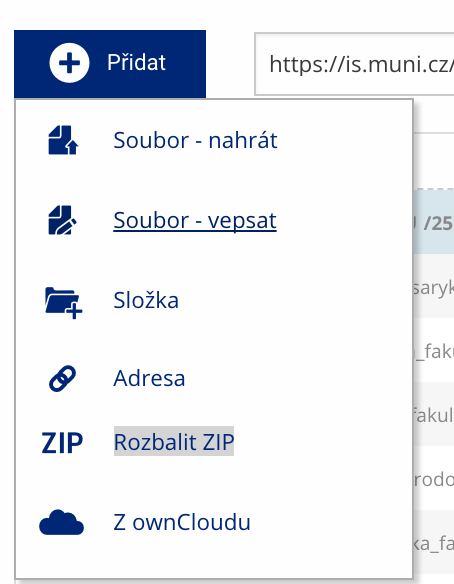 Soubor nebo složku lze nahrát pomocí tlačítka Přidat.
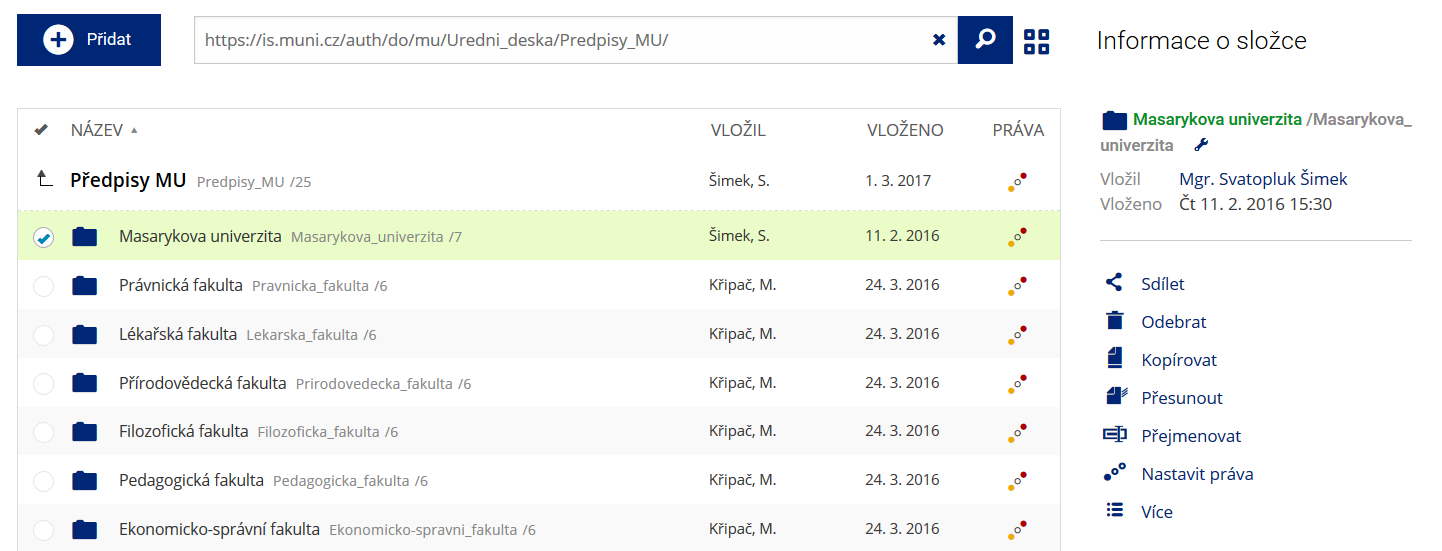 Podrobnosti lze zjistit označením příslušného řádku.
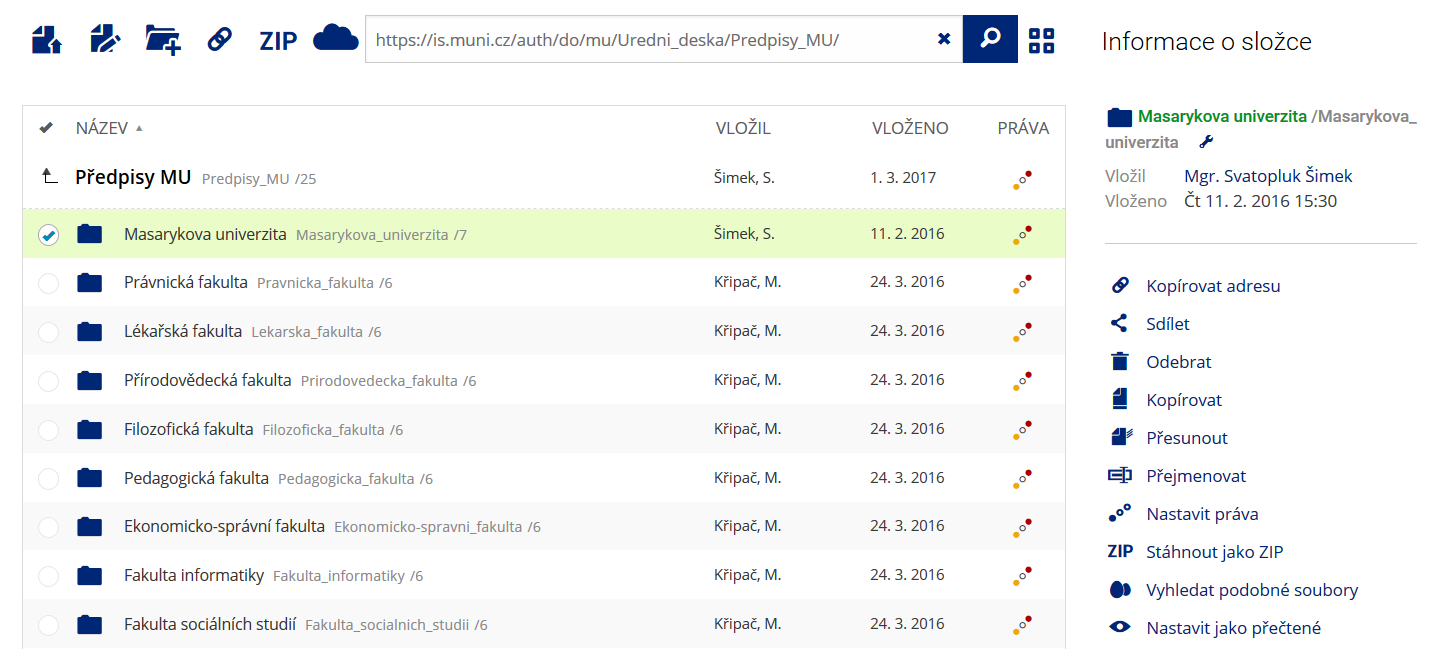 Pro častou práci je možné zvolit režim Více možností.
 Vyhledávaný výraz můžete zadat přímo do adresního řádku.
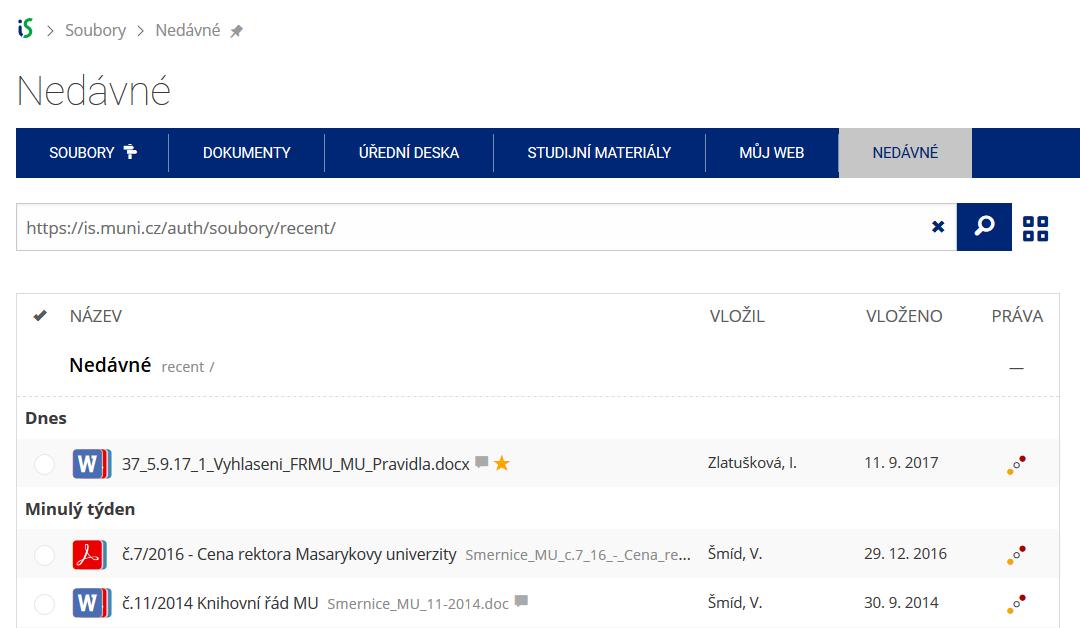 Pomocí funkce Nedávné je možné se rychle vrátit k právě prohlíženým souborům. Oblíbené soubory je také možné označit Hvězdičkou.