Anotace
Vědecký diskurz abstraktů diplomových a disertačních prací,
který představuje žánr studentského psaní s vysokým rizikem ,
je nesmírně důležitý, protože tento samostatný text je
prostorem, kde diplomanti obvykle pracují s množstvím informací
založených na výzkumu a šíří nové poznatky směrem k cílové
akademické komunitě. V tomto žánru se od autorů požaduje, aby
nejen prezentovali svá zjištění, ale také zdůraznili hlavní
tvrzení, novost výsledků a význam jejich studie pro daný obor.
Snaha přesvědčit a sebepropagace jako klíčové rysy tohoto žánru
vyžadují použití hodnotícího jazyka, jedním z jeho aspektů jsou
metadiskurzivní boostery (posilovače), ukazatele jistoty a
přesvědčení.
Tato studie zkoumá mezikulturní variace v používání
metadiskurzivních boosterů pro konstrukci jistoty a přesvědčení
autorů v abstraktech diplomových a disertačních prací napsaných
v Thajsku a ve Spojených státech. Kvantitativní a kvalitativní
analýzy mají za cíl identifikovat mezikulturní podobnosti a
rozdíly v používání boosterů mezi dvěma skupinami autorů se
zaměřením na formy, frekvenci, jejich distribuci v různých
gramatických kategoriích a také na diskurzivní funkce, pro
které byly boostery použity. Šetření probíhalo na dvou hlavních
korpusech sestávajících ze 160 abstraktů diplomových a
disertačních prací v oboru lingvistiky a aplikované lingvistiky
napsaných thajskými autory studujícími na thajských
univerzitách a dalších 160 abstraktů napsaných absolventy ve
Spojených státech amerických. Konkordancer AntConc byl použit k
provedení kontextově informovaných analýz zesilovacích položek
navržených Hylandem (2005) s ohledem na formy, frekvence a
funkce, ve kterých byly boostery použity k provedení a
signalizaci jistoty a sebevědomého hlasu autorů v jejich
textech. Každý z konkordančních řádků, kde byly použity
boostery, byl manuálně zkontrolován v jejich textových
kontextech, aby bylo zajištěno, že fungují jako metadiskurzivní
boostery. Nakonec byly diskurzivní funkce boosterů i role
autorů zkoumány pomocí rámce používaného ve velkých studiích o
boosterech (také o autorském hlasu), které provedli Hyland
(2002), Vassileva (2000) a Akbas a Hardman (2018), jejichž
funkční kategorie byly upraveny a doladěny na základě zjištění
z mých korpusů.
Zjištění prokázala, že v tomto kompaktním žánru diplomových a
disertačních abstraktů jsou metadiskurzivní boostery důležitými
markery používanými oběma skupinami autorů k vyjádření důvěry a
jistoty ve svých hodnoceních materiálu, jak dokazují zesilovací
nástroje, které byly nalezeny ve všech abstraktech diplomových
a disertačních pracích všech autorů. Zjištění však naznačují,
že tyto dvě skupiny autorů používaly boostery různými způsoby a
pro různé účely a že kultura má při utváření rozdílů v podstatě
větší váhu než různé úrovně studia.
Podle celkové úrovně vnějškové frekvence použití studenti v
Thajsku užívali boostery častěji než studenti ve Spojených
státech; váha byla spíše pouze na slovesných boosterech, ale ne
na ostatních kategoriích, tj. na adverbiích, modalizovaných a
adjektivních boosterech, které mají silnější hodnoticí významy
s nimi spojené. Jak ukazují zjištění, thajští studentští autoři
preferovali používání boosterů způsoby, kterými více
zachovávají tvář, a implicitními způsoby, primárně v pasivních
konstrukcích a sekundárně ve vzorcích lokačních zmínek o sobě.
Nebylo zjištěno, že by boostery byly použity společně se
zájmeny v první osobě v žádném z thajských korpusů. Thajští
studentští autoři používali boostery k předložení tvrzení a
vyjádření svých názorů na záležitosti výzkumné práce s méně
zavazujícími se vyjádřeními, méně asertivním tónem hlasu a s
autorskou neviditelností, kvůli čemuž zněli zdráhavě
přesvědčivě. Thajské autory, zejména magisterské studenty, a
jejich preferované způsoby psaní navíc charakterizuje omezená
škála zesilovacích nástrojů s užším rozsahem účelů použití a
nedostatečná strukturální rozmanitost. To následně
demonstrovalo jejich omezené používání angličtiny jako lingua
franca.
Studentští autoři na amerických univerzitách jsou naproti tomu
považováni za odvážné pisatele. Vytvářeli tvrzení a vyjadřovali
své názory silněji nabitými způsoby a se sebevědomějším tónem
hlasu a jistotou. Použití boosterů ve spojení se zájmenem v
první osobě, jak „I“, tak „we“, zejména to prvně jmenované,
bylo pro tyto studenty charakteristické. Používali také vzorce
lokačních zmínek o sobě a neosobní pasivní konstrukce, když
informovali o svých zjištěních a předkládali tvrzení, ale
mnohem méně výrazná. Toto použití silného hlasu a postoje
způsobilo, že zněli jistěji a přesvědčeně o svých tvrzeních a
argumentech. Korpusy studentských autorů ve Spojených státech
se vyznačovaly mnohem širším rozsahem výběru boosterů a širším
rozsahem účelů použití. Na základě prostředků analyzovaných v
mé studii bylo vidět, že studentští autoři ve Spojených státech
byli tvůrci a účastníky diskurzu (Akbas, 2014), že jsou pro
čtenáře průvodci v jednotlivých diskurzivních krocích a
současně posilují dialog s jejich účastníky diskurzů.
Pokud jde o diskurzní funkce, pro které byly použity boostery,
„Reportování výsledků/zjištění“; „Ustavení výzkumného
kontextu/Hledání výzkumného prostoru“; a „Předkládat
nároky/Vypracovat argument(y)/Provádět další pozorování“ byly
tři nejčastější funkce používané těmito dvěma různými skupinami
autorů. Tyto nejčastější funkce jsou skutečným odrazem
propagačních a přesvědčovacích aspektů žánru abstraktů. Byly
však zjištěny rozdíly v síle asociací formy/funkce a ve
způsobech, jak každá skupina autorů používala boostery k
dosažení konkrétních diskurzních funkcí. V podstatě, když je
funkce diskurzu spojena se silnými mluvními akty ohrožujícími
tvář (face-threatening acts), vysoká frekvence boosterů a
jistoty a přesvědčení autorů, jakož i explicitní zapojení
čtenářů, byly výraznější v amerických korpusech, což je opak
thajských autorů.
Navzdory světu s rostoucí internacionalizací a silné pozici
angličtiny používané jako lingua franca v současném akademickém
prostředí vědeckého diskurzu až po obhajobu jejího používání v
Thajsku, tyto stopy kulturní identity, tj. různé rétorické
praktiky a preferované styly psaní, jak dokládají abstrakty
dvou kulturně odlišných skupin autorů, ukazují na rozdíly v
akademické próze, které se odrážejí v různých institucionálních
postupech, vzdělávacích systémech a ve vzorcích interakce. …víceméně
Abstract
The scientific discourse of thesis and dissertation abstracts,
a succinct high-stake genre of student writing, is of immense
importance as this stand-alone text is where graduate writers
usually manage an enormous flow of research-based information
and disseminate new knowledge to the target academic community.
In there, writers are required to not only present their
findings but also foreground the main claims, novelty of
findings, and the significance of their study to the field.
Persuasive endeavor and self-promotion, as key features of this
genre, necessitate the use of evaluative language, one of which
is metadiscoursal boosters, stance markers of certainty and
conviction.
This study explores cross-cultural variation in the use of
metadiscoursal boosters for the construction of writers’
certainty and conviction as committed in the abstracts of
thesis and dissertation written in Thailand and in the United
States. The quantitative and qualitative analyses aim to
identify cross-cultural similarities and differences in the use
of boosters between the two writer groups by focusing on forms,
the frequency, their distribution across different grammatical
categories as well as the discourse functions for which
boosters were used. The investigation was carried out on two
main corpora consisting of 160 abstracts of master’s theses and
doctoral dissertations in the field of Linguistics and Applied
Linguistics written by Thai writers graduated from Thai
universities and another 160 abstracts written by graduates
studied in the United States. A concordance program called
AntConc was used to perform contextually-informed analyses of
boosting items proposed by Hyland (2005) in regard to forms,
frequencies, and functions in which boosters were used to
perform and signal writers’ certainty and confident voice in
their text. Each of the concordance lines where boosters were
used was checked manually in their textual contexts to ensure
them functioning as metadiscoursal boosters. Finally, the
discourse functions of boosters as well as the writers’ roles
were examined by using the framework used in the large-scale
studies on boosters (also on authorial voice) conducted by
Hyland (2002), Vassileva (2000), and Akbas and Hardman (2018)
whose functional categories were adapted and fine-tuned based
on the findings of my corpora.
The findings evidenced that in this compact genre of thesis and
dissertation abstract metadiscoursal boosters are important
markers used by both groups of writers to project confidence
and certainty in their evaluations of the material, as
evidenced by boosting devices which were found in all thesis
and dissertation abstracts by all writers. The findings,
however, indicate that the two writer groups used boosters in
different ways and for different purposes and that culture has
essentially more weight, than differing levels of study
degrees, in the shaping of the differences.
Based on the level of total, superficial, frequency of use,
students in Thailand, used boosters more frequently than
students in the United States; the weight was more only on the
verb boosters but not on other categories i.e. adverb,
modalized and adjective boosters, which have stronger
evaluative meanings associated with them. As the findings show,
Thai student writers preferred to use boosters in more
face-saving manners and in implicit ways, primarily, in the
passive constructions and, secondarily, in the locational
self-mention patterns. Boosters were not found to be used
together with the first-person pronouns in any of the Thai
corpora. Thai student writers used boosters to present claims
and express their viewpoints on the study matters with less
committed statements, less assertive tone of voice and with
authorial invisibility, which made them sound reluctantly
persuasive. In addition, a limited range of boosting items with
a narrower range of purposes of use and a lack of structural
variety characterize Thai writers, master’s students in
particular, and their preferred ways of writing. This
consequently demonstrated their limited use of English as a
lingua franca.
Student writers in the American universities are, in contrast,
considered adventurous writers. They constructed claims and
expressed their opinions in more strongly charged ways and with
a more confident tone of voice and certainty. The use of
boosters in conjunction with the first-person pronoun, both ‘I’
and ‘We’, essentially the former, were characteristically
typical of these students. They also used locational
self-mention patterns and impersonal passive constructions when
reporting their findings and putting forward claims but far
less marked. This use of a strong voice and stance made them
sound more certain about and committed to their
arguments/claims made. The corpora of student writers in the
United States were characterized by a much wider range of
booster choices and a broader range of purposes of use. On the
basis of the devices analyzed in my study, student writers in
the United States were seen Discourse Creator and Participant
(Akbas, 2014) being reader-friendly guiding their readers
within the discourse moves and/or sections while simultaneously
enhancing dialogicity with their discourse participants.
As regards the discourse functions for which boosters were
employed, “Reporting research results/findings”; “Establishing
the research context/Finding research space”; and “Putting
forward claims/Elaborating an argument(s)/Making further
observations” were the three most frequent functions used by
the two different writer groups. These most frequent functions
show a true reflection of the promotional and persuasive
aspects of the genre of abstract writing. Differences, however,
were found in the strength of form/function associations and in
the ways each writer group used boosters to achieve particular
discourse functions. In essence, when the discourse function is
associated with strong face-threatening acts, the high
frequency of boosters and writers’ certainty and conviction as
well as explicit involvement with readers appeared more marked
in the American corpora. The opposite is for the Thai students.
For the discourse function correlating with strong FTAs, their
frequency of use of boosters, their certainty and conviction
and solidarity with readers were turned off and concealed.
Despite a world of increasing internationalization and powerful
English used as a Lingua Franca in the present academic
environment of scientific discourse as far as advocacy of its
use in Thailand, these traces of cultural identities i.e.
different rhetorical practices and preferred writing styles as
evidenced in the abstracts of the two culturally different
writer groups substantiate the differences within academic
prose as reflected in different institutional practices,
educational systems, and in patterns of interaction. …víceméně
 angličtina
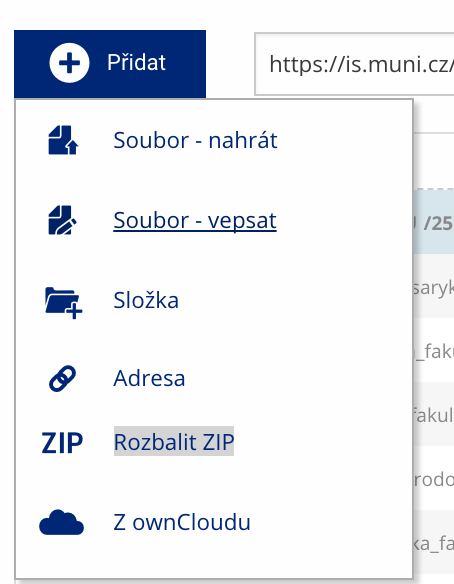 Soubor nebo složku lze nahrát pomocí tlačítka Přidat.
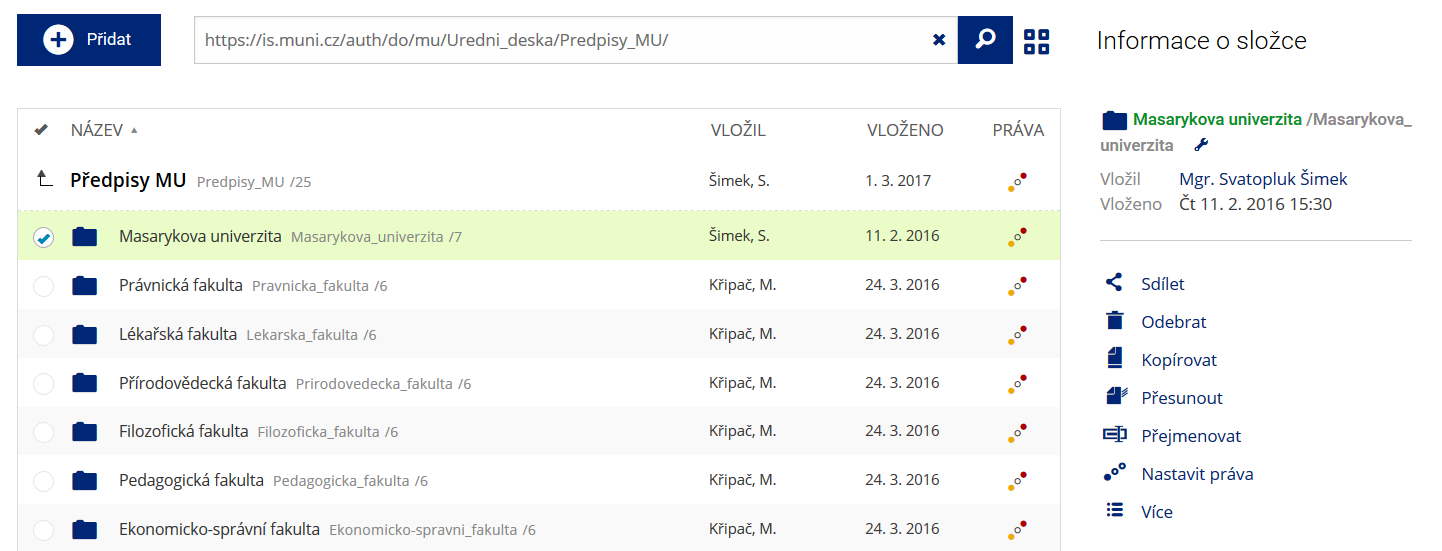 Podrobnosti lze zjistit označením příslušného řádku.
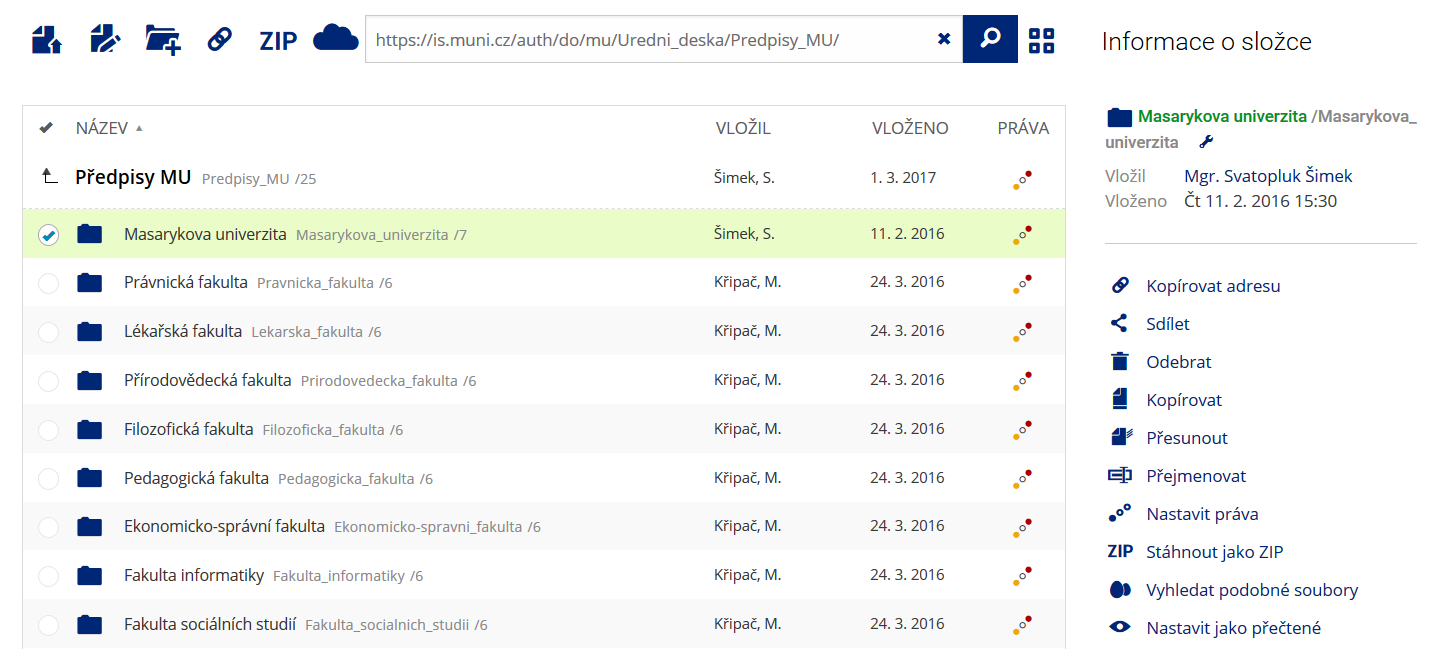 Pro častou práci je možné zvolit režim Více možností.
 Vyhledávaný výraz můžete zadat přímo do adresního řádku.
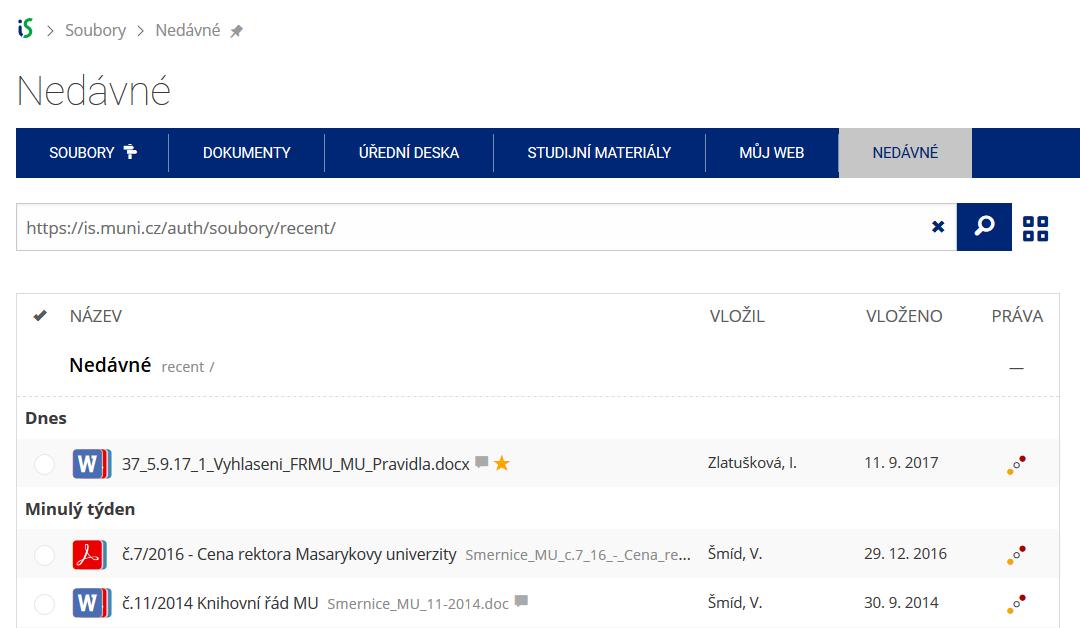 Pomocí funkce Nedávné je možné se rychle vrátit k právě prohlíženým souborům. Oblíbené soubory je také možné označit Hvězdičkou.