Anotace
Disertační práce je věnována průzkumu elitní vrstvy šlechtické
společnosti v období, spojeném v českých dějinách s vládou tří
po sobě jdoucích habsburských panovníků Leopolda I., Josefa I.
a Karla VI., tedy panovníků, kteří byli nejen českými králi a
monarchy habsburské říše, ale současně také římsko-německými
císaři. Spis se zaměřuje na problém, jenž zásadní měrou
ovlivňoval politický, hospodářský a také kulturní život
pobělohorského českého státu, totiž problém utváření a
fungování vzájemných vztahů mezi zemskou aristokracií a
vladařem, nacházející bytostný odraz především na poli dvora –
ať už dvora jako instituce či specificky privilegované
společnosti. Objekt zájmu zde přitom netvořili výhradně členové
původem českých šlechtických rodů, nýbrž obecně zástupci
nobility příslušející skrze inkolát a pozemkovou držbu k jedné
či více zemím České koruny. Na základě průkazného (a
prokázaného) enormního zájmu soudobé aristokracie o participaci
na nejvyšších politických rozhodnutích vídeňského dvora, jemuž
zase permanentně stála protějškem jistá míra panovníkovy
politické a hlavně finanční závislosti na aristokratických
služebnících, zde byl objasněn klíčový proces transformace
barokní nobility ve dvorskou šlechtu a na konkrétních
příkladech navíc ukázáno, jak se tento proces recipročně
promítal do sociální, hospodářské i kulturní strategie celých
šlechtických dynastií. Souhrn možností, jaké se aristokracii k
integraci mezi dvorskou komunitu nabízely a v jejichž rámci
sehrával vedle výkonné služby významnou úlohu také třeba systém
čestných úřadů, vykrystalizoval v myšlení současníků v
následováníhodný kariérní vzor. Právě kariéra to byla, která
vysoké šlechtě českých zemí prakticky po celou éru baroka
umožňovala zachovat si významný podíl na politické moci, a v
důsledku toho podstatně napomohla jejímu začlenění mezi širší,
„nadnárodní“ společnost habsburské monarchie. Proto se fenomén
kariéry stal rovněž nosným tématem stávajícího výzkumu, udal
směr pramenné analýze a promítl se věrně i do vlastní struktury
práce.
Výše zmíněné tendence jsou v disertaci prakticky demonstrovány
na příkladu sedmi biografických příběhů. V případě každého z
nich jde vždy současně o naplnění jednoho či více z typických
kariérních modelů dané doby, determinovaných službou v úřední,
armádní či církevní správě, a to buď ve sféře dvorské nebo
zemské. Perspektiva individuálních kariérních osudů umožnila na
tomto místě nejen rozkrývat dobové mocenské mechanismy, ale
podrobit rozboru i šířeji pojaté kariérní „investice“, které
byly všem sledovaným aristokratům společné a mezi něž patřilo
například vzdělání, cílevědomá snaha o služební i titulární
povýšení, promyšlená sňatková politika, systematické budování
„informační sítě“ jako též okruhu patronů a klientů, dále třeba
majetkoprávní opatření pojišťující rodové jmění před rozkladem,
účelové umělecké zakázky, náboženské nadace a podobně. Každého
z životopisných medailonů bylo zároveň cíleně využito k širšímu
představení života soudobé společnosti a ke zobecnění některých
jeho projevů. Na pozadí kariérního příběhu Jana Václava
Vratislava tak byla nastíněna mezinárodněpolitická situace 2.
poloviny 17. a prvních dvou desetiletí 18. století a popsány
charakteristické rysy systému a praxe vrcholně barokní
diplomacie. „Životopis“ Jana Jáchyma ze Žerotína posloužil k
zobrazení všedního i svátečního života v samotné vídeňské
metropoli. Osudů Leopolda Antonína Šlika bylo mimo jiné použito
k vylíčení epizod habsbursko-osmanské války z 80. a 90. let 17.
století, včetně průhledu do neutěšené situace, jaká v armádě té
doby panovala. Jan Bedřich z Valdštejna se stal na stránkách
této práce především protagonistou další fáze závažného
soupeření církve s centralizovanou světskou mocí; postava
Erdmundy Terezy z Ditrichštejna zase jistým symbolem, skrze
nějž je možné aristokratickou svatbu doby baroka prezentovat
nejen jako kulminační bod kariéry dvorní dámy, ale zároveň –
spolu s pozdějším mateřstvím – i jako faktický vrchol
celoživotních ambicí soudobé urozené ženy. „Biografie“
Františka Ferdinanda Kinského dává nahlédnout „za oponu“
příprav barokní císařské volby a korunovace, a kromě toho
skvěle demonstruje, jak se v rámci aristokratické kariéry z
dlouhodobého hlediska vyplácely spojené, vícegenerační zásluhy
rodu ve státních službách. Stejně jako všechny předchozí
příběhy dokládá nakonec i příklad Františka Josefa Černína, že
ani přední zemský politik barokních Čech se neobešel bez
permanentního spojení s císařským dvorem a že i pro něj mohlo
mít selhání některého ze strategických článků příkladné kariéry
fatální důsledky.
Předkládaná práce se z podstatné části zakládá na interpretaci
původních, většinou nevydaných a jak českou, tak i zahraniční
historiografií dosud jen málo reflektovaných dokumentů
patrimoniální provenience, zachovaných v rámci vybraných
pozůstalostí šlechtických rodových archivů. Byly to zejména
prameny osobní povahy, které umožnily proniknout hlouběji do
mentality a – v mezích možností – také religiozity zkoumaných
šlechticů, a posoudit jejich úlohu nejen na poli vrcholné
státní, popřípadě celoevropské politiky, ale též v rámci
dynastie a užší rodiny. Egodokumentů, stejně jako úředních,
proklamačních, narativních a ikonografických pramenů, bylo v
disertaci opakovaně využito k vykreslení okázalých a pro
vrcholný barok charakteristických festivit, současně tu však
nezůstaly opominuty ani všední rituály tvořící neodmyslitelnou
součást tehdejšího každodenního života. Vzájemná komparace a
kombinace poznatků umožnila do jisté míry propojit osudy postav
jednotlivých kapitol a rekonstruovat jejich příběhy do útvaru
kolektivní kariérní biografie. …víceméně
Abstract
The thesis is about research into the elite level of
aristocratic society during a period connected in Bohemian
history with the rule of three consecutive Habsburg rulers,
Leopold I., Josef I. and Charles VI. These are rulers who were
not only Bohemian kings and monarchs of the Habsburg empire,
but at the same time were Roman-German Emperors, too. The paper
is focused on the problem that fundamentally affected the
political, economic and cultural life of the Bohemian state
after the White Mountain Battle, which is the problem of
forming and functioning of mutual relations among the
provincial aristocracy and the sovereign, finding fundamental
reflection primarily in the sphere of the court – whether this
concerns a court like an institution or a specifically
privileged society. The subject of interest here meanwhile was
not made up exclusively of people descended from Bohemian
aristocratic families, but generally members of nobility
belonging through inhabitant's rights of the time and property
holding to one or more lands of the Bohemian Crown. Based on
the demonstrable (and proven) immense interest of the
aristocracy of the time in taking part in the highest-level
political decisions of the Viennese court, against which again
permanently stood a certain level of ruler’s political and
mainly financial dependences on aristocratic servants, here the
key process of transformation of the baroque nobility in court
aristocracy was made clear and in specific examples it was also
shown how this process was reciprocally manifested in the
social, economic and cultural strategy of entire aristocratic
dynasties. A set of possibilities that were offered to the
aristocracy for integration among the court community and
within which, besides executive service, another significant
task was for instance the system of honorary offices,
crystallised in the thinking of contemporaries into a paradigm
of career worthy of following. It was career that enabled
top-level nobility of the Bohemian lands practically
throughout the whole baroque era to keep a significant share of
political power and, as a consequence of this, it substantially
helped its incorporation among the wider „supra-national”
society of the Habsburg monarchy. Therefore the phenomenon of
career also became a supporting topic for existing research,
gave the direction of source analysis and truly manifested
itself into the actual structure of the work, too.
The trends mentioned above are practically demonstrated in the
thesis in an example of seven biographical stories. In the
case of each of them there is always at the same time a
fulfilment of one or more of the typical career models of the
given time, determined by service in official, army or church
administration, and that is either in the court or provincial
sphere. The perspective of individual career destinies enabled
at this point not only to uncover power mechanisms of the time,
but also to analyse the wider conceptualised career
„investments” too, which were common for all observed
aristocrats and which included for example education, a
purposeful effort for service and titular promotion,
thought-out marriage policy, systematic building of an
„information network” such as also a circle of patrons and
clients, and furthermore for instance proprietary legal
measures ensuring ancestral estates against breakdown,
purpose-made artistic orders, religious foundations etc. Each
of the biographical medallions was at the same time used in a
targeted way for a more extensive presentation of the life of
society at the time and for generalising some of its
manifestations. In the background of the career events of Jan
Václav Vratislav, the international political situation of the
second half of the 17th century and the first two decades of
the 18th century were outlined, along with the characteristic
features of the system, and the experiences of top-level
baroque diplomacy were described. The „curriculum vitae” of Jan
Jáchym of Žerotín was used to depict the everyday and festive
life at the Viennese metropolis itself. The destinies of
Leopold Antonín Šlik were among other things used to portray
parts of the Habsburg-Ottoman war of the 1680s and 1690s,
including a perspective of the gloomy situation that reigned in
the army at the time. Jan Bedřich of Valdštejn became in this
work primarily a protagonist of the next phase of a serious
battle between the church and centralised secular power;
Erdmunda Tereza of Ditrichštejn became a clear symbol through
which an aristocratic marriage of the baroque period can be
presented not only as a culmination point of the career of a
court lady, but also – together with later motherhood – as the
absolute peak of lifelong ambitions of a noble woman of the
time. The „biography” of František Ferdinand Kinský gives an
overview „behind the scenes“ of preparations of the baroque
Imperial election and coronation and, besides this, it
excellently demonstrates how within the aristocratic career
from a long-term perspective connected, multi-generational
merits of the family engaged in state services paid off. Just
like all previous stories, also the example of František Josef
Černín in the end corroborates that not even the foremost
politician of baroque Bohemia could do without a permanent
connection with the Emperor's court and that for him, too, the
failure of any of the strategic pieces of the exemplary career
could have fatal consequences.
A substantial part of the submitted work is based on the
interpretation of original, usually not edited documents of
patrimonial provenance preserved within selected
inheritances of aristocratic ancestral archives and as yet only
slightly reflected in the Czech as well as foreign
historiography. These were
particularly sources of a personal nature that enabled a deeper
penetration into the mentality and, within the limits of
possibility, also the religious nature of investigated
aristocrats, and to assess their roles not only in the field of
top-level state or European politics, but also within the
dynasty and closer family. Egodocuments, just like official,
proclamatory, narrative and iconographical sources, were
repeatedly used in the thesis to portray festivities that
were spectacular and characteristic for the peak baroque; at
the same time the everyday rituals making up an inseparable
part of everyday life at the time have not been forgotten here
either. Mutual comparison and a combination of knowledge to a
certain extent enabled the connection of the destinies of
people in individual chapters and the reconstruction of their
events in the work of collective career biography. …víceméně
 čeština
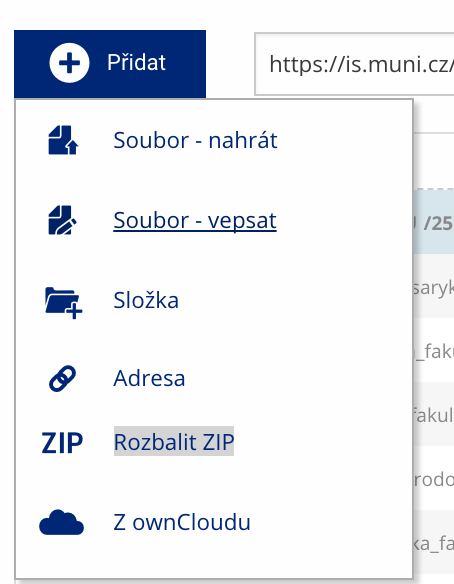 Soubor nebo složku lze nahrát pomocí tlačítka Přidat.
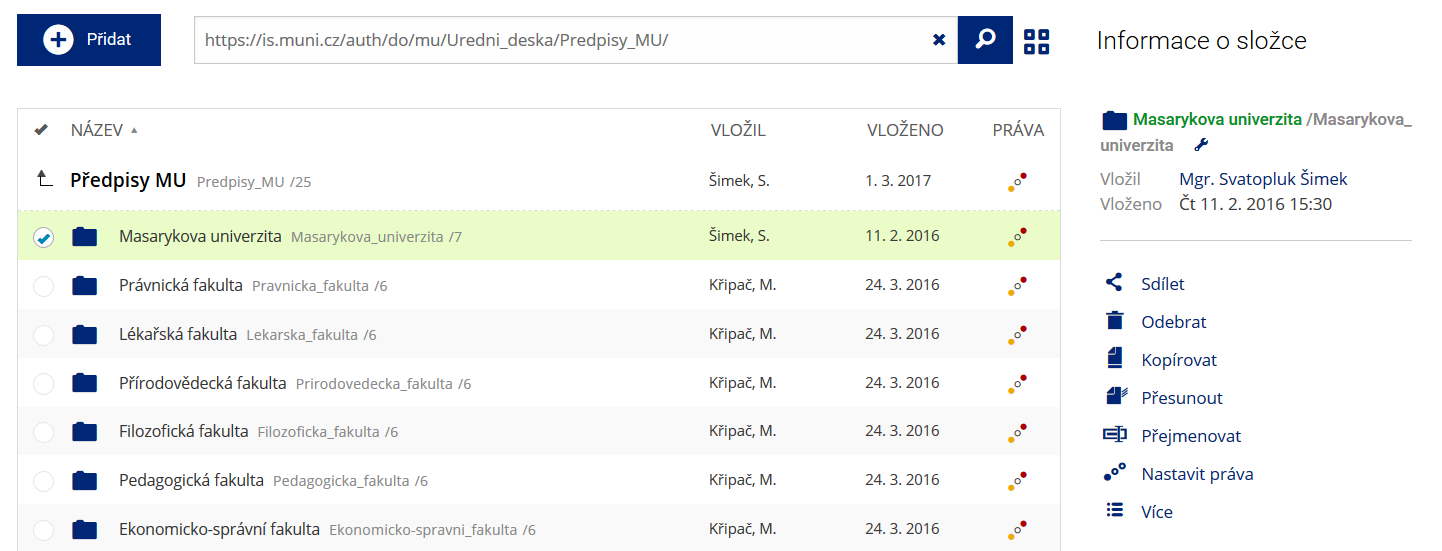 Podrobnosti lze zjistit označením příslušného řádku.
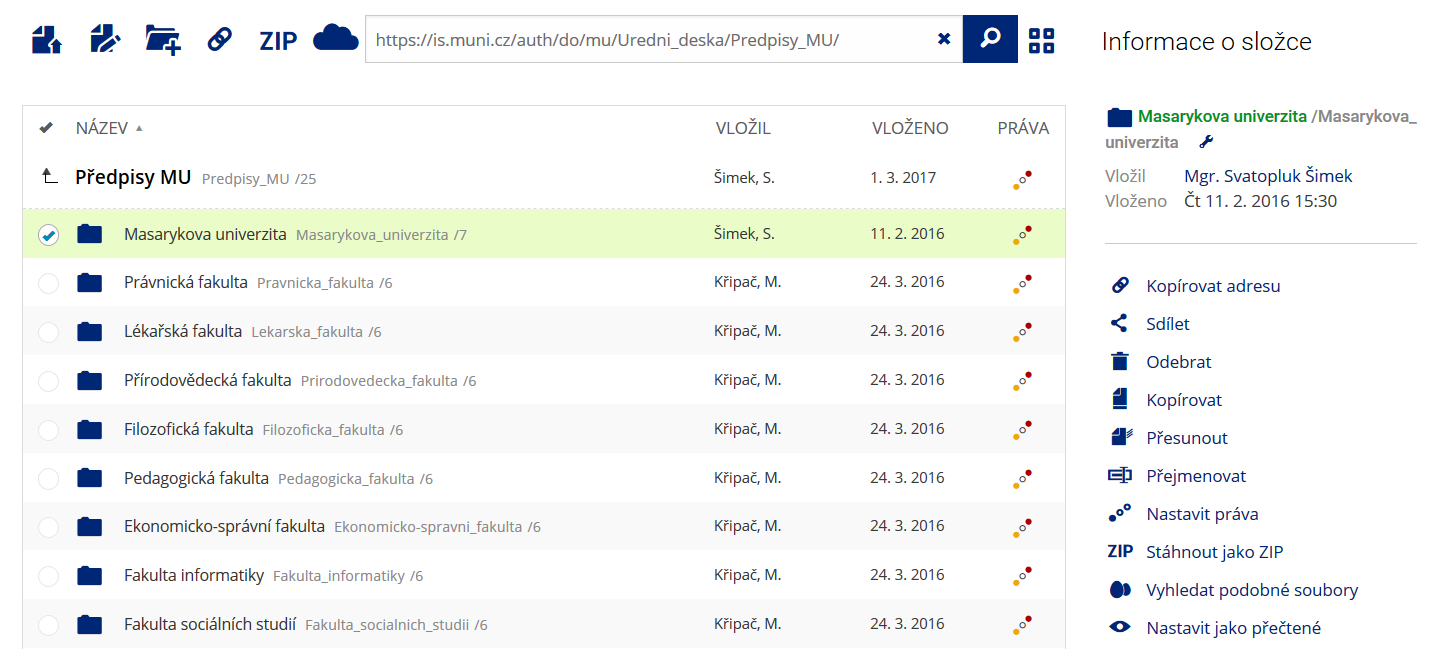 Pro častou práci je možné zvolit režim Více možností.
 Vyhledávaný výraz můžete zadat přímo do adresního řádku.
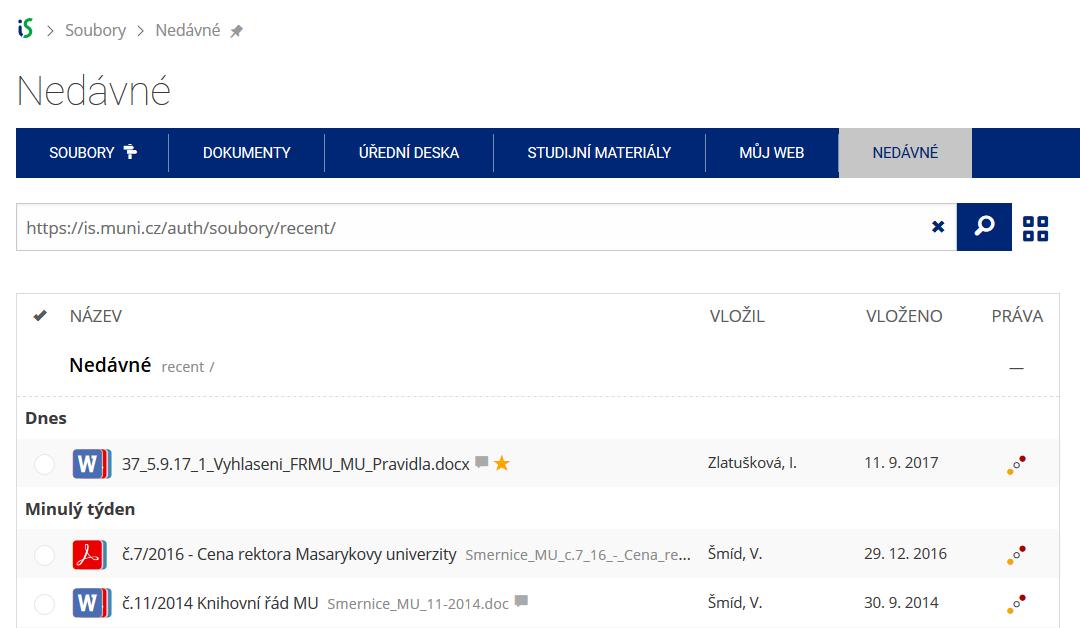 Pomocí funkce Nedávné je možné se rychle vrátit k právě prohlíženým souborům. Oblíbené soubory je také možné označit Hvězdičkou.