Anotace
Narůstající světová populace, technologický rozvoj a změna
klimatu prohlubují nedostatek vody, zhoršují její znečištění a
celosvětově umocňují environmentální i zdravotní rizika.
Zvláštní pozornost je třeba věnovat uvolňování perzistentních a
potenciálně toxických látek s negativními účinky, zejména
reziduí léčiv, včetně antibiotik, antihypertenziv,
antihistaminik a psychoaktivních látek, z nedostatečně
dočištěných odtoků komunálních čistíren odpadních vod (ČOV).
Tyto polutanty nepříznivě ovlivňují vodní organismy a mohou
vstupovat do potravního řetězce prostřednictvím kontaminovaných
organismů, přičemž se zároveň šíří do životního prostředí
prostřednictvím znečištěných vodních toků. Expozice
antibiotikům navíc přispívá k šíření antimikrobiální
rezistence, která představuje jednu z klíčových výzev moderní
medicíny. Vzhledem k tomu, že komunální ČOV patří mezi hlavní
zdroje kontaminace vod, stal se vývoj technologií schopných
odstraňovat perzistentní polutanty s vysokou účinností,
ekonomickou proveditelností a environmentální udržitelností
naléhavou prioritou.
Tato dizertační práce si klade za cíl přispět k řešení těchto
problémů prostřednictvím systematického vývoje a studia
nízkoteplotních plazmových technologií a různých funkčních
nanomateriálů určených k odstraňování CECs, zejména léčiv, z
odtoků komunálních ČOV. Práce zahrnuje adsorpční procesy,
pokročilé oxidační procesy (AOPs) založené na heterogenní
fotokatalýze aktivované viditelným světlem, aktivaci
peroxymonosulfátu (PMS) a čištění odpadních vod nízkoteplotním
plazmatem. Důraz je kladen na technologie, které jsou
environmentálně šetrné, provozně jednoduché a škálovatelné. Za
tímto účelem jsou jako funkční materiály využity nanomateriály
vyvinuté v rámci této práce, konkrétně grafitický karbon nitrid
(gCN), kompozitní nanomateriály na bázi MXenů a biochar,
zatímco difúzní koplanární povrchový bariérový výboj (DCSBD) a
multidutinový povrchový dielektrický bariérový výboj (MSDBD)
slouží jako moderní zdroje nízkoteplotního plazmatu
generovaného za pokojové teploty a atmosférického tlaku.
V rámci práce byla vyvinuta nová metoda povrchové modifikace
gCN pomocí nízkoteplotního plazmatu generovaného technologií
DCSBD v okolním vzduchu, která je kompatibilní s velkoplošnou
úpravou nanoprášků. Podrobně je zkoumán vliv plazmové
modifikace na morfologické, strukturní a optoelektronické
vlastnosti gCN. Pozornost je věnována vlivu plazmové
funkcionalizace povrchu na elektronovou strukturu, která je
objasněna kombinací experimentální a teoretické analýzy
zahrnující rentgenovou fotoelektronovou spektroskopii (XPS) a
výpočty založené na teorii funkcionálu hustoty (DFT). Praktický
význam této modifikace je demonstrován výrazně zvýšenou
účinností odstraňování antibiotika sulfamethoxazolu (SMX) z
odtoku komunální ČOV prostřednictvím fotokatalýzy aktivované
viditelným světlem za přítomnosti gCN a PMS. Současně je
objasněn mechanismus této degradace.
Práce se dále zabývá integrací fotokatalýzy na bázi gCN
aktivované viditelným světlem v kombinaci s nízkoteplotním
plazmatem generovaným systémem MSDBD ve vzduchu. Tento
kombinovaný přístup umožňuje vysoce účinné odstraňování léčiv z
odtoku komunálních ČOV a je obzvláště relevantní v kontextu
nové směrnice o čištění městských odpadních vod, která
vstoupila v Evropské unii v platnost dne 1. ledna 2025. Tato
směrnice zdůrazňuje potřebu efektivnějších procesů čištění
odpadních vod. Vyvinutý proces nabízí významné praktické
výhody, včetně zachování neutrálního pH odpadní vody, absence
amoniaku a výrazně zlepšené degradace transformačních produktů
léčiv, což je doloženo téměř 50% snížením koncentrace
N4-acetyl-sulfamethoxazolu, perzistentního vedlejšího produktu
vznikajícího při degradaci SMX.
Další část práce je věnována vývoji heterostruktur na bázi
MXenu Ti₃C₂Tₓ dekorovaného spinelovými nanooxidy, konkrétně
Fe₃O₄ (MXF-50), Co₃O₄ (MXC-50) a CoFe₂O₄ (MXCF-50),
připravenými v hmotnostním poměru 50:50. Tyto nanomateriály
jsou poprvé použity k odstraňování kofeinu (CAF) z odpadních
vod prostřednictvím aktivace PMS. MXCF-50 vykazuje nejvyšší
účinnost, přičemž dosahuje téměř 100% odstranění CAF z odpadní
vody po 3 hodinách. Tento proces probíhá bez potřeby externího
zdroje energie a je řízen výhradně interakcí mezi PMS a
vyvinutým nanomateriálem. V destilované vodě je téměř úplného
odstranění CAF dosaženo již během 10 minut. Vyvinutý
katalyzátor zároveň vykazuje vyšší stabilitu ve srovnání s
dřívějšími studiemi, přičemž po 60 minutách byl zaznamenán
pouze nepatrný únik iontů ve výši Co 0,2 mg/l. Podrobná
charakterizace s důrazem na povrchovou chemii studovaná pomocí
XPS umožňuje hlubší vhled do katalytické aktivity materiálu a
poskytuje vysvětlení vysoké účinnosti při odstraňování
polutantů.
Práce se rovněž zabývá studiem biocharu jako udržitelných
adsorbentů pro odstraňování reziduí léčiv z odpadních vod.
Jejich fyzikálně-chemické vlastnosti a adsorpční účinnost jsou
systematicky studovány. Je demonstrováno, že kombinace komerčně
dostupného biocharu s biocharem připraveným v rámci této práce
vede k vysoké účinnosti odstraňování léčiv při současném
snížení celkových nákladů na materiál. Dále je prezentována
podrobná studie biocharu připraveného z jadérek švestek, která
objasňuje vliv teploty pyrolýzy na vlastnosti materiálu a tím i
na jeho adsorpční účinnost. Na základě těchto výsledků je
analyzována uplatnitelnost biocharu pro velkoplošné čištění
odpadních vod a jsou identifikovány optimální podmínky pro jeho
praktické uplatnění.
Nové technologie zkoumané v této dizertační práci spolu s
dosaženými výsledky potvrzují slibný potenciál nízkoteplotního
plazmatu, nanomateriálů a biocharu jako účinných a udržitelných
technologií pro velkoplošné čištění odpadních vod. Ústředním
výsledkem této dizertační práce je vysoce účinné odstraňování
léčiv z odtoku komunálních ČOV pomocí kombinovaných procesů
založených na nízkoteplotním plazmatu MSDBD a novém
nanomateriálu gCN. Použitý plazmový zdroj MSDBD umožňuje
účinnější produkci ozonu než plazmové zdroje běžně využívané v
současných ČOV. Tento přístup zároveň překonává omezení spojená
s použitím samotného plazmatu, protože zabraňuje okyselování
odpadní vody a tvorbě amoniaku, který je toxický pro vodní
organismy. Kromě vývoje a výzkumu technologií pro čištění
odpadních vod se tato dizertační práce zabývá také
komercializačním potenciálem nových technologií a možnostmi
jejich integrace do stávajících ČOV. To je diskutováno
prostřednictvím analýzy globální role technologií, které jsou v
současnosti využívány v konvenčních ČOV. Na závěr jsou navrženy
konkrétní možnosti praktické implementace zkoumaných
technologií do městských ČOV. …víceméně
Abstract
The growing world population, technological development, and
climate change are intensifying freshwater scarcity, worsening
freshwater pollution, and amplifying environmental and public
health risks worldwide. Of particular concern is the release of
persistent and toxic Contaminants of Emerging Concern (CECs),
especially pharmaceutical residues, including antibiotics,
antihypertensives, antihistamines, and psychoactive drugs, from
inadequately treated effluents of municipal wastewater
treatment plants (WWTPs). These pollutants have been shown to
adversely affect aquatic organisms and may enter the food chain
through contaminated organisms, while also spreading into the
environment through polluted freshwater. Consequently, exposure
to antibiotics contributes to the spread of antimicrobial
resistance (AMR), which represents one of the current
challenges in modern medicine. As municipal WWTPs are among the
principal sources of freshwater contamination, the development
of treatment technologies capable of removing persistent
pollutants with high efficiency, economic viability, and
environmental sustainability has become an urgent priority.
This doctoral thesis aims to contribute to the solution of
these challenges through the systematic development and
investigation of low-temperature plasma technologies and
various functional nanomaterials for the removal of CECs,
particularly pharmaceuticals, from effluents of municipal
WWTPs. It encompasses adsorption, advanced oxidation processes
(AOPs) based on heterogeneous visible-light-driven
photocatalysis, peroxymonosulfate (PMS) activation, and
wastewater treatment by low-temperature plasma. Emphasis is
placed on technologies that are environmentally benign,
operationally simple, and scalable. To this end, the
nanomaterials uniquely developed in this doctoral thesis,
graphitic carbon nitride (gCN), MXene-based composite
nanomaterials, and biochar are employed as functional
materials, while Diffuse Coplanar Surface Barrier Discharge
(DCSBD) and Multi-hollow Surface Dielectric Barrier Discharge
(MSDBD) serve as state-of-the-art sources of low-temperature
plasma generated at room temperature and atmospheric pressure.
A novel method for the surface modification of gCN using
low-temperature plasma generated by DCSBD in ambient air,
compatible with large-area treatment of nanopowders, is
developed. The influence of plasma modification on the
morphological, structural, and optoelectronic properties of gCN
is examined in detail. Particular attention is devoted to the
effect of plasma surface functionalization on the electronic
structure, which is elucidated through a combined experimental
and theoretical approach integrating X-ray Photoelectron
Spectroscopy (XPS) with Density Functional Theory (DFT)
calculations. The practical value of the plasma modification is
demonstrated by the markedly enhanced removal of the antibiotic
sulfamethoxazole (SMX) from effluent of municipal WWTP via
visible-light-driven photocatalysis in the presence of gCN and
PMS. The underlying degradation mechanism is also clarified.
This thesis further introduces the simultaneous integration of
visible-light-driven photocatalysis based on gCN with
low-temperature plasma generated by MSDBD in air. This combined
approach achieves highly efficient removal of pharmaceuticals
from municipal WWTP effluent, which is particularly relevant in
the context of the new Urban Wastewater Treatment Directive
(UWWTD), which entered into force in the European Union on 1
January 2025. This directive underscores the need for more
efficient wastewater treatment process in the EU. The developed
process offers important practical advantages, including the
preservation of neutral wastewater pH, the absence of ammonia,
and significantly improved degradation of pharmaceutical
transformation products, as exemplified by the nearly 50%
reduction of N4-acetyl-sulfamethoxazole, a persistent
transformation product of environmental concern formed during
the degradation of SMX.
Another part of the thesis is devoted to the development of
heterostructures based on Ti₃C₂Tₓ MXene decorated with spinel
nano-oxides, namely Fe₃O₄ (MXF-50), Co₃O₄ (MXC-50), and CoFe₂O₄
(MXCF-50), prepared at a 50:50 weight ratio. These
nanomaterials are employed, for the first time, for the removal
of caffeine (CAF) from wastewater effluent through PMS
activation. Among them, MXCF-50 exhibits high performance,
achieving nearly 100% removal of CAF from wastewater effluent
within 3 hours. Importantly, this process proceeds without the
need for any external energy source and is driven only by the
interaction between PMS and the developed nanomaterial. In pure
water, nearly complete removal of CAF by MXCF-50 is achieved
within 10 minutes, while the developed catalyst demonstrates
better stability compared to previous related works. Only minor
Co ion leakage of 0.2 mg/L was detected after 60 minutes.
Detailed characterization, with particular emphasis on surface
chemistry probed by XPS, provides insight into the catalytic
activity of the developed nanomaterial and explains its high
efficiency in the removal of pollutants.
The thesis also investigates a range of biochar materials as
sustainable adsorbents for the removal of pharmaceutical
residues from wastewater. Their physicochemical properties and
adsorption performance are systematically evaluated. It is
demonstrated that blending commercially available biochar with
biochar prepared in this work can achieve high pharmaceutical
removal efficiency while simultaneously reducing the overall
material cost. In addition, a detailed study of biochar derived
from plum pits elucidates the influence of pyrolysis
temperature on material properties and, consequently, on
adsorption performance. On this basis, the feasibility of
biochar for large-scale wastewater treatment is analyzed and
the optimal conditions for their valorization are identified.
Collectively, the novel technologies investigated in this
doctoral thesis, together with the achieved results,
demonstrate the promising potential of low-temperature plasma,
nanomaterials, and biochar as efficient and sustainable
technologies for large-scale wastewater treatment. The central
result of this doctoral thesis is the highly efficient removal
of pharmaceuticals from real municipal WWTP effluent using
combined processes based on low-temperature MSDBD plasma
technology and a novel gCN nanomaterial. The applied MSDBD
plasma source enables more efficient ozone production than
plasma sources conventionally used in current WWTPs.
Importantly, this approach overcomes the limitations associated
with the use of plasma alone for water treatment by preventing
wastewater acidification and preventing the formation of
ammonia, which is toxic to aquatic organisms. Beyond the
development and investigation of wastewater treatment
technologies, this doctoral thesis also discusses the
commercialization potential of new wastewater treatment
technologies and the feasibility of their integration into
existing WWTPs. This is discussed through an analysis of the
global role of technologies currently employed in conventional
WWTPs. Finally, the routes for practical implementation of the
investigated technologies into municipal WWTPs are discussed. …víceméně
 angličtina
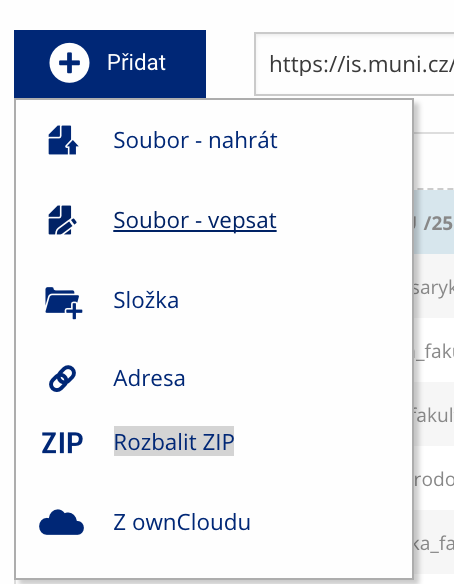 Soubor nebo složku lze nahrát pomocí tlačítka Přidat.
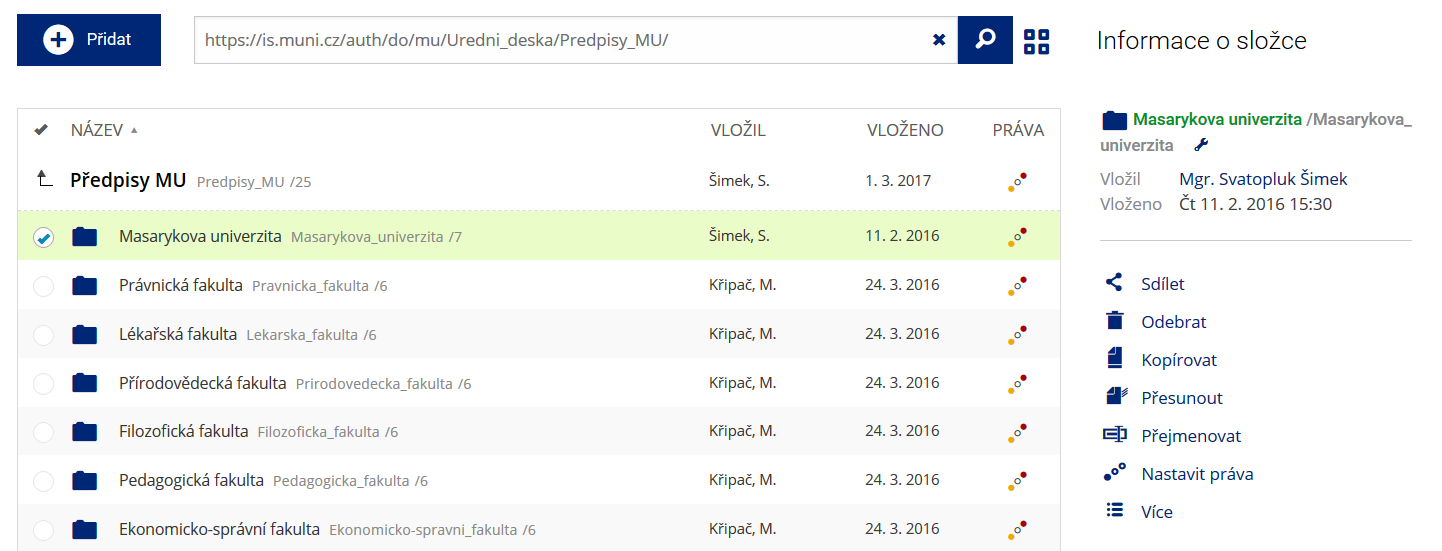 Podrobnosti lze zjistit označením příslušného řádku.
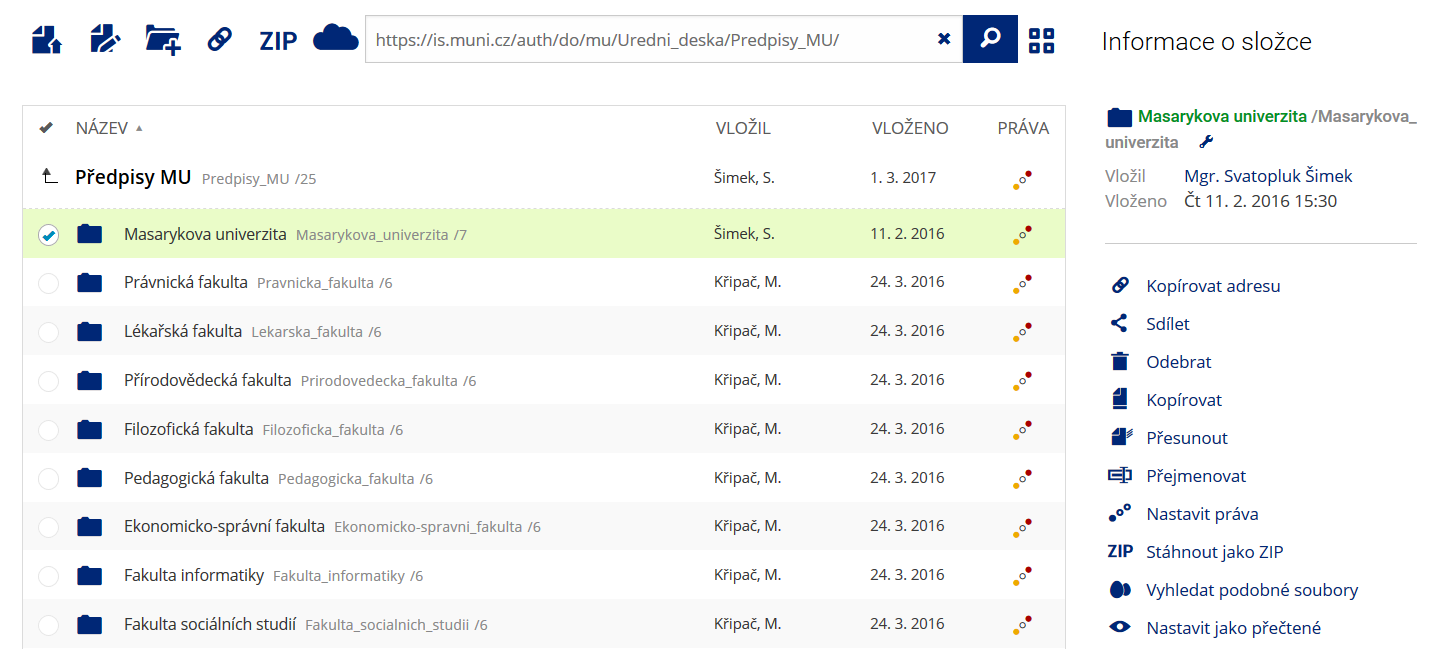 Pro častou práci je možné zvolit režim Více možností.
 Vyhledávaný výraz můžete zadat přímo do adresního řádku.
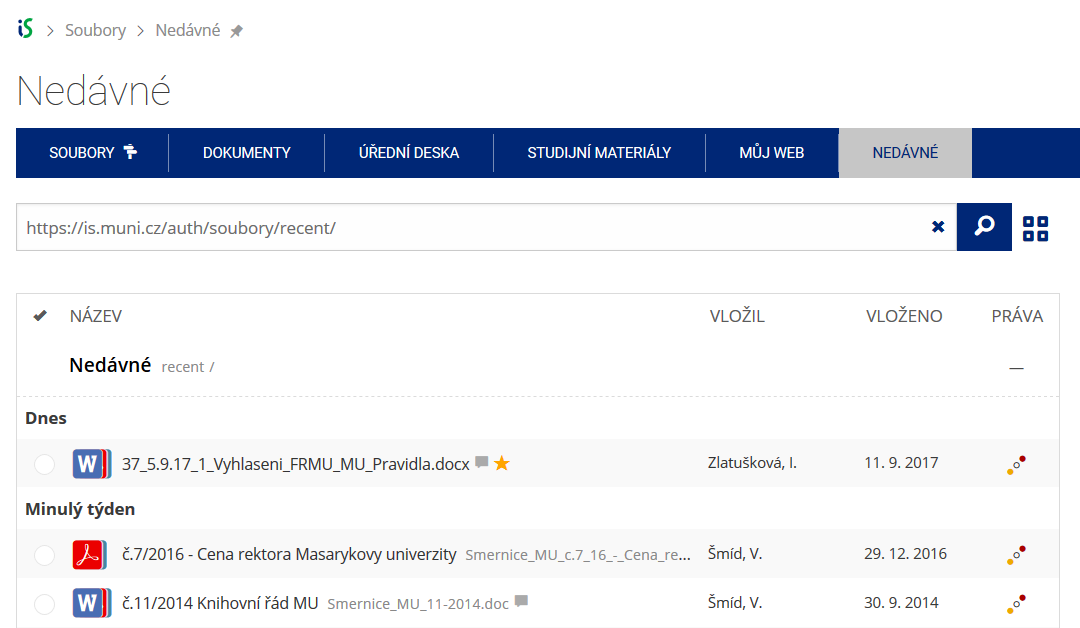 Pomocí funkce Nedávné je možné se rychle vrátit k právě prohlíženým souborům. Oblíbené soubory je také možné označit Hvězdičkou.