Závěrečná práce: Filip Pitoňák: From Incursions to Stalemate: How the 1978, 1982, and 2006 Wars Shaped IsraeliLebanese Red Lines and Blocked a Formal Peace Treaty
Bakalářská práce
From Incursions to Stalemate: How the 1978, 1982, and 2006 Wars Shaped IsraeliLebanese Red Lines and Blocked a Formal Peace Treaty
Anotace
Tato diplomová práce zkoumá, jak války v letech 1978, 1982 a 2006 vytvořily bezpečnostní, ideologické a uměle konstruované červené linie, čímž místo trvalé mírové dohody ustanovily mezinárodně spravovanou zónu příměří. Prostřednictvím procesního sledování, zakotveného v neoklasickém realismu a Migdalově rámci slabých států, práce zkoumá, jak se postoje jednotlivých aktérů v průběhu těchto tří válek …více
Abstract
This thesis examines how the wars of 1978, 1982, and 2006 created security, ideological, and manufactured red lines, in turn establishing an internationally managed armistice zone rather than a lasting peace agreement. Through process tracing, grounded in neoclassical realism and Migdal's weak states framework, the thesis examines how each actor's positions evolved and entrenched across the three wars …více
Zadání práce
How did the 1978, 1982, and 2006 wars create Israeli, Lebanese, and Hezbollah "red lines" along the northern frontier, and why did those war-forged positions prevent a recognised peace border or treaty from emerging (despite UN demarcation and U.S. mediation)?
Abstract:
This research paper examines how the wars of 1978, 1982, and 2006 created "red lines" including security arrangements, overflights, and sovereignty issues for Lebanon, Israel, and Hizballah, and how these dynamics consequently created an internationally managed ceasefire zone without a durable and comprehensive peace agreement. Using qualitative process tracing and document analysis, this thesis examines Israeli security doctrine calculations, Syrian and Iranian proxy interests, and Lebanese intra-political dynamics, alongside United Nations resolutions and the evolution of the peace process. This analysis uncovers how instead of a peace, a tenuous armistice is in its place.
The study draws on primary sources, archival material, and scholarly analysis. Is is guided by a neoclassical realist perspective and the theory of state weakness to understand the behaviour of the actors. This framework illuminates how domestic constraints combined with external meddling created maximalist bargaining positions. The thesis concludes that the outcome is not accidental but structurally driven by overlapping regional interests, resulting in an armistice regime overseen by international actors.
12. 5. 2026 15:21, Aaron Walter, MBA, Ph.D., učo 389235
 angličtina
Citace dle normy ČSN ISO 690
Práce na příbuzné téma
Seznam prací, které mají shodná klíčová slova.
-
Odstrašování hybridních teroristických organizací
Mgr. Pavel Doško, učo 363808 -
Angažovanost Hizballáhu v syrské občanské válce
Mgr. Lucie Záhorská -
Terorismus během občanské války v Libanonu
Klára Smutná -
Proměna íránské podpory nestátním aktérům před a po Arabském jaru
Mgr. David Gec -
Koncept zástupných válek na příkladu syrské občanské války
Mgr. Vojtěch Rusz -
British Women in the Second World War Propaganda
Mgr. Tereza Holečková -
Migrace spojená s válkou na Ukrajině a otázka bezpečnostních rizik pro EU
Mgr. Monika Pechová -
Zahraničněpolitický diskurs Tomia Okamury s důrazem na rusko-ukrajinskou válku
Mgr. David Zelenka, učo 471589
Složky
Soubory
-
Přidání souboru
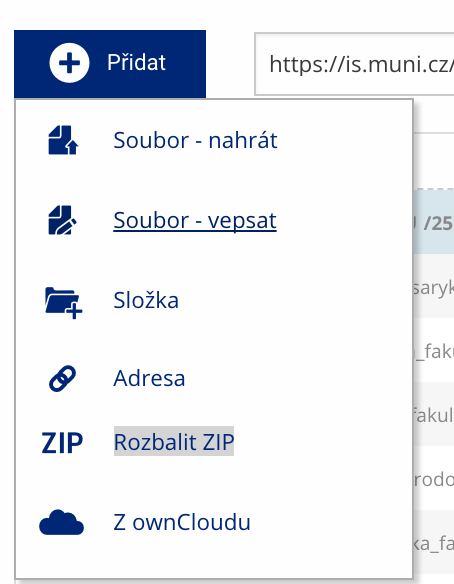 Soubor nebo složku lze nahrát pomocí tlačítka Přidat.
 -
Další operace se soubory
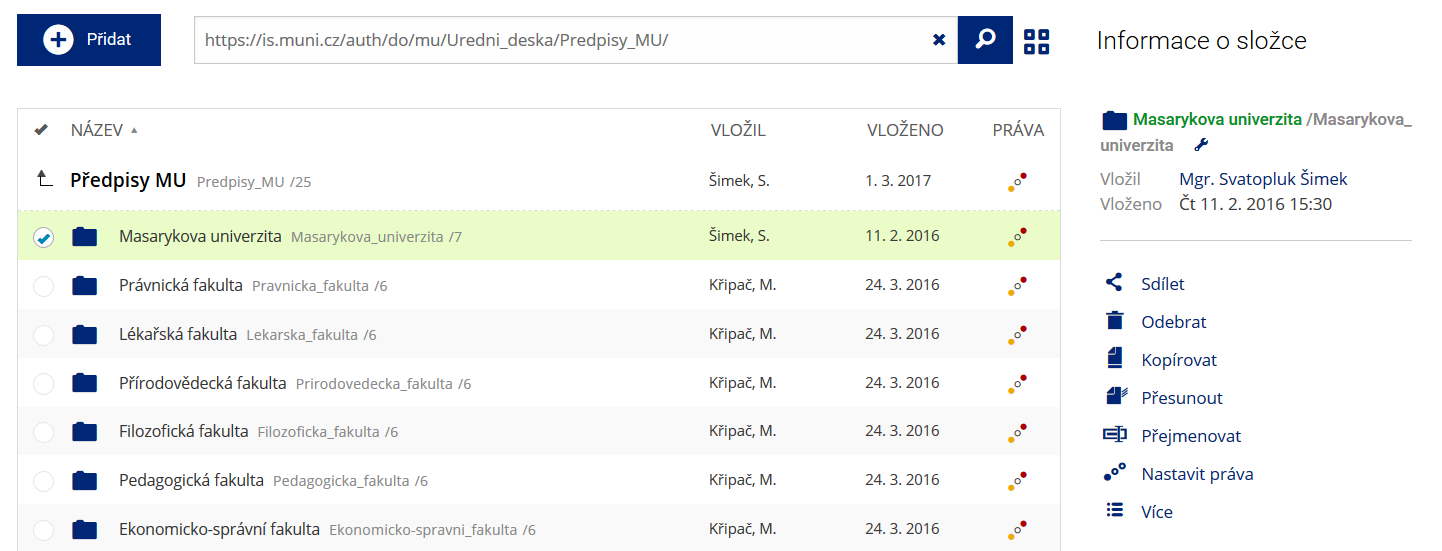 Podrobnosti lze zjistit označením příslušného řádku.
 -
Pohled pro experty
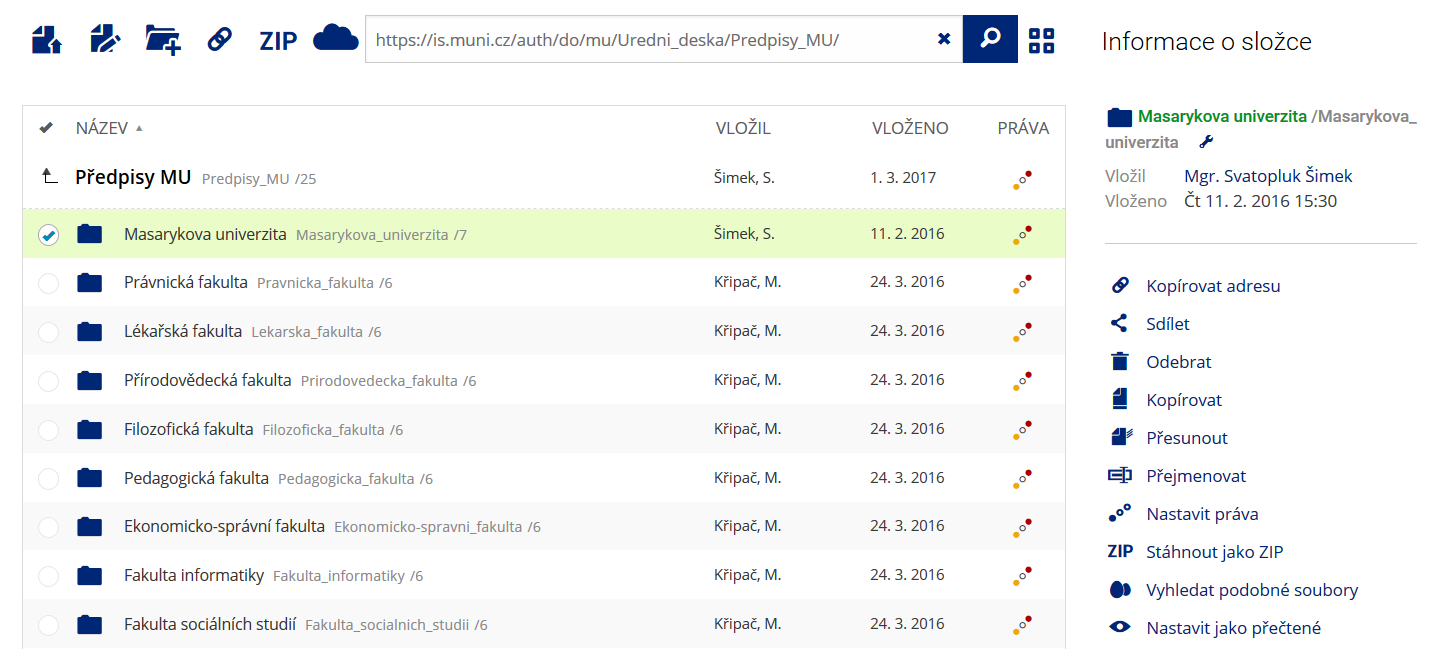 Pro častou práci je možné zvolit režim Více možností.
 -
Vyhledávání souborů
 Vyhledávaný výraz můžete zadat přímo do adresního řádku.
 -
Rychlý přístup k souborům
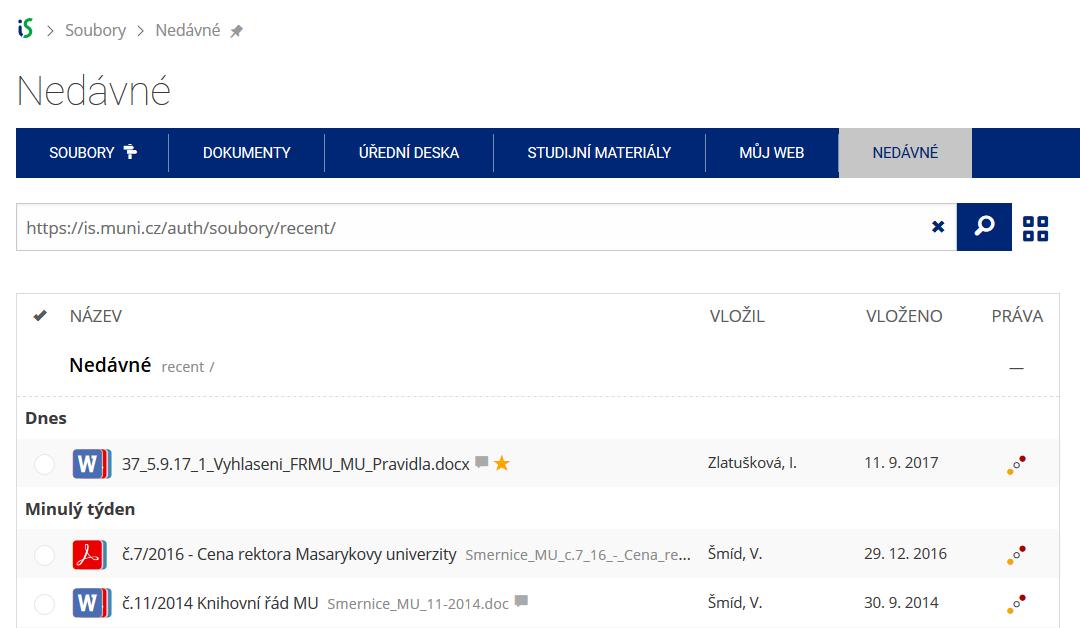 Pomocí funkce Nedávné je možné se rychle vrátit k právě prohlíženým souborům. Oblíbené soubory je také možné označit Hvězdičkou.