Závěrečná práce: Andrei Kazantsev: AI-Assisted Training of Offensive Security via Containerized Labs
Bakalářská práce
AI-Assisted Training of Offensive Security via Containerized Labs
Anotace
Tato práce integruje umělou inteligenci do praktické výuky kyberbezpečnosti prostřednictvím návrhu praktických laboratorních cvičení pro nově navrhovaný předmět na Masarykově univerzitě. Byly vytvořeny tři scénáře: sociální inženýrství založené na deepfacích, webové penetrační testování s podporou umělé inteligence a doručování malwaru pomocí payloadů generovaných umělou inteligencí. Tato cvičení jsou …více
Abstract
This thesis integrates artificial intelligence into practical cybersecurity education by designing hands-on laboratory exercises for a newly proposed course at Masaryk University. Three scenarios were developed: deepfake-based social engineering, AI-assisted web penetration testing, and malware delivery using AI-generated payloads. These exercises are implemented in a reproducible, containerized environment …více
Zadání práce
Create three practical laboratory exercises focused on the intersection of Artificial Intelligence (AI) and Cybersecurity for university-level computer science students. The exercises must enable students to experiment hands-on with modern AI technologies in a security context, targeting areas such as (1) deepfake-based social engineering, (2) AI-assisted penetration testing, and (3) AI-assisted malware generation.
Design and implement a reproducible technical environment for these exercises, prioritizing open-source components and ease of deployment via containerization (Docker/Podman). Utilize relevant tools, including small and large language models, deepfake generation frameworks, and experimental tools based on current research (such as PentestGPT).
Alongside the technical implementation, prepare comprehensive educational materials, including student task descriptions, technical deployment documentation, and instructor guides, ensuring the exercises are sustainable for long-term use. Pilot-test the exercises with several students, document their feedback, and incorporate necessary revisions into the final output.
The technical outputs must be publicly available via IS MUNI under a permissive open-source license (e.g., the MIT or Apache license) whenever possible. Any licensing restrictions due to third-party dependencies must be explicitly documented.
22. 5. 2026 10:22, RNDr. Valdemar Švábenský, Ph.D., učo 395868
Přílohy
kazantsev-supplementary-materials.zip
 angličtina
Práce na příbuzné téma
Seznam prací, které mají shodná klíčová slova.
-
Is DAST dead? AI pentesting era is coming
Bc. Filip Drhlík -
Individualization in Teaching English Online
Mgr. Daniela Balga -
Umělá inteligence: Nová výzva pro demokracii
Bc. Ondřej Přibil -
Měření dopadů kyberbezpečnostní osvěty na Masarykově univerzitě
Bc. et Bc. Tomáš Čáp, učo 496378 -
Využití AI ve výuce občanské výchovy: zaměření na téma občan a stát
Mgr. Nela Müllerová -
Využití AI pro žáky i učitele na základní škole
Mgr. Jakub Sladkovský -
Umelá inteligencia vo vzdelávaní: kde sme a kam smerujeme
Mgr. Ľuboš Peder -
Gamification of Phishing Resilience Training
Mgr. Marko Ondrejička
Složky
Soubory
-
Přidání souboru
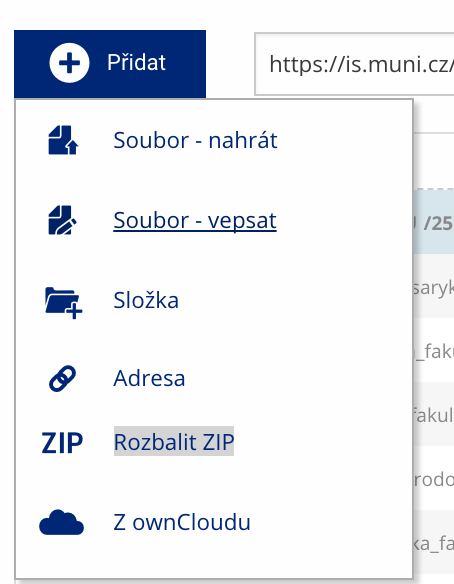 Soubor nebo složku lze nahrát pomocí tlačítka Přidat.
 -
Další operace se soubory
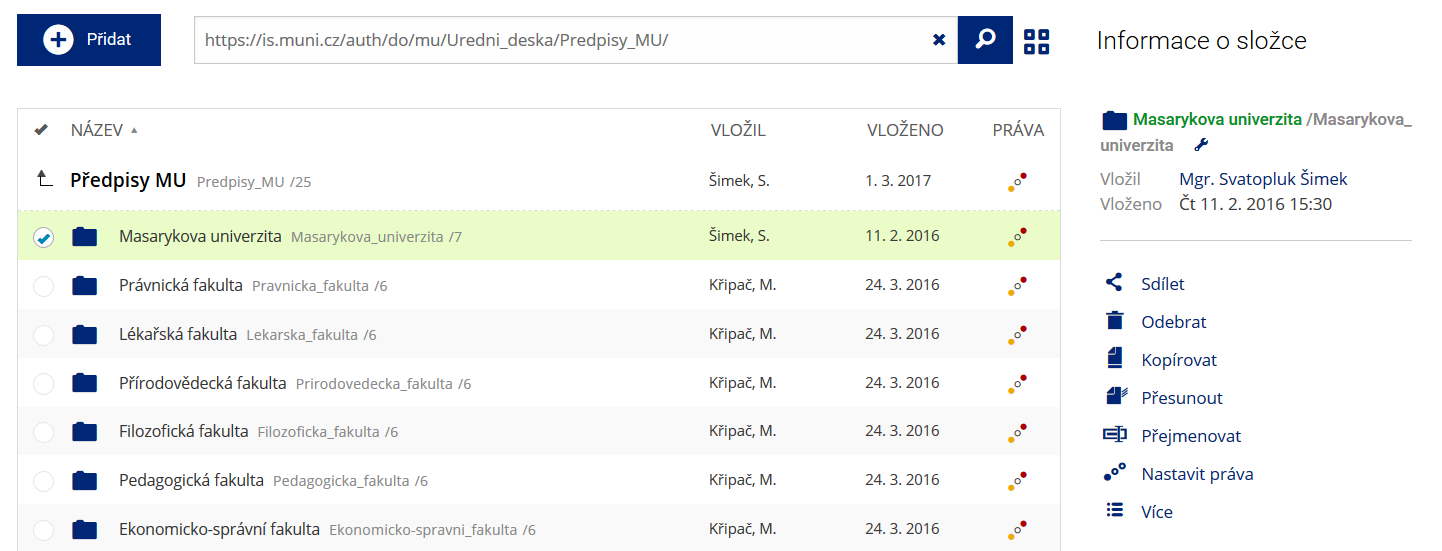 Podrobnosti lze zjistit označením příslušného řádku.
 -
Pohled pro experty
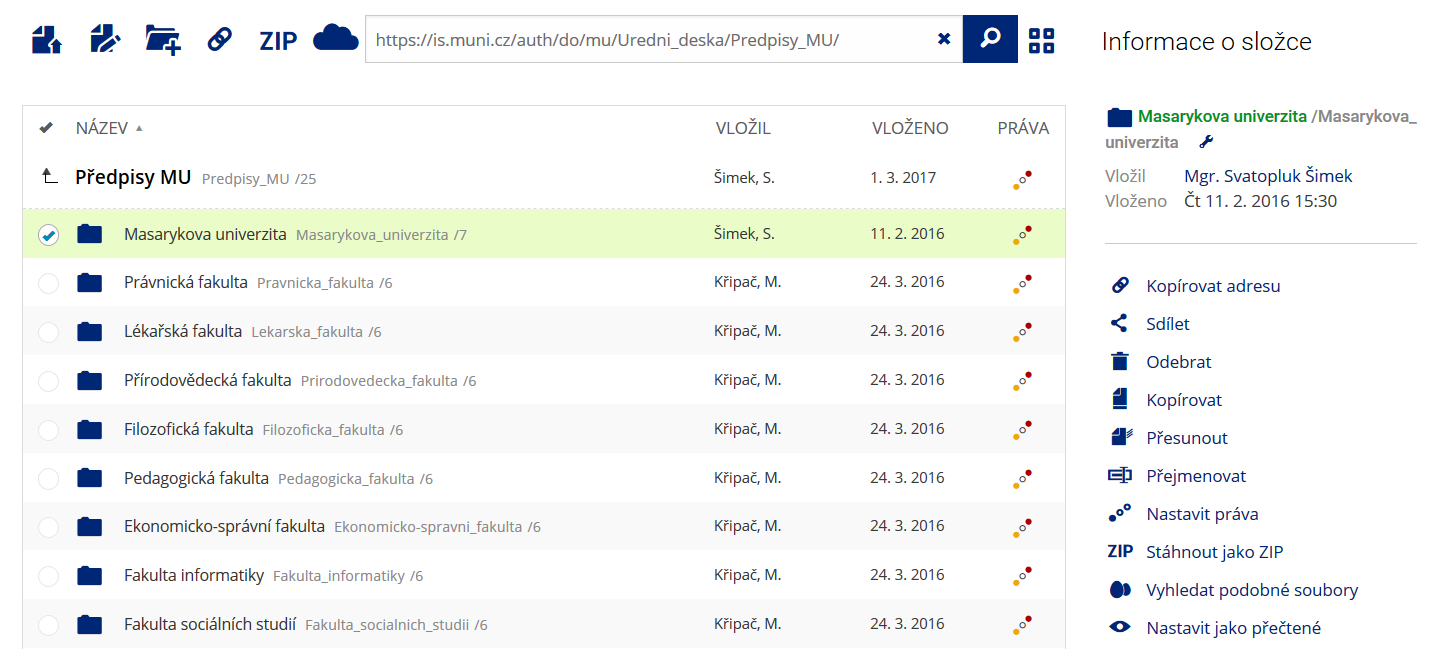 Pro častou práci je možné zvolit režim Více možností.
 -
Vyhledávání souborů
 Vyhledávaný výraz můžete zadat přímo do adresního řádku.
 -
Rychlý přístup k souborům
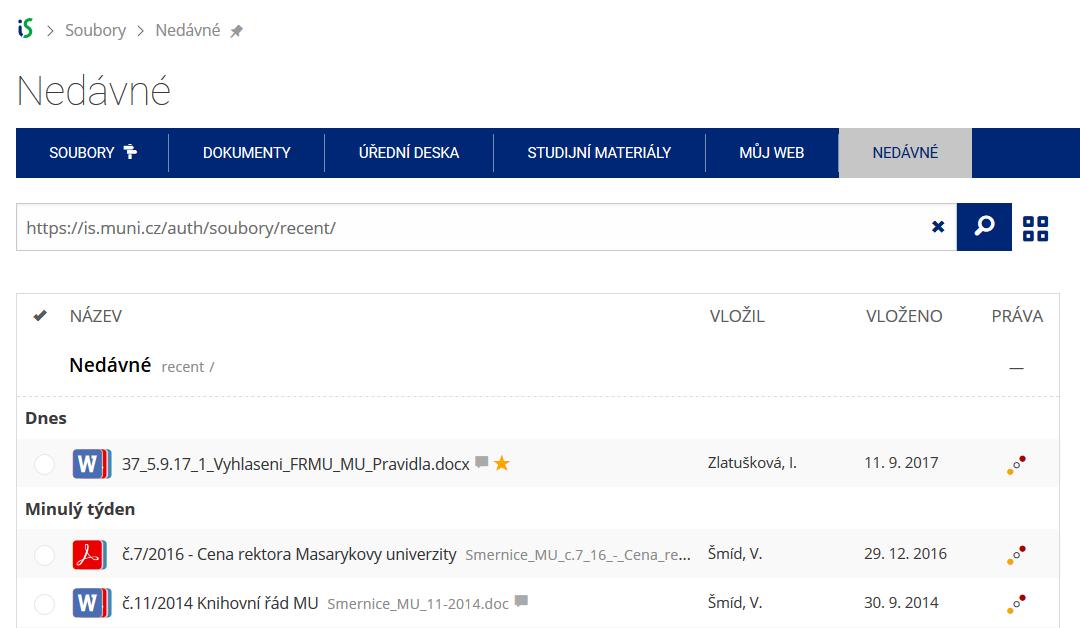 Pomocí funkce Nedávné je možné se rychle vrátit k právě prohlíženým souborům. Oblíbené soubory je také možné označit Hvězdičkou.