Anotace
Strach je jedním z nejstarších fenoménů lidské kultury a
podstaty, který pomáhá definovat stav společnosti a způsob
jejího fungování v diachronickém a synchronickém aspektu.
Strach byl vždy součástí lidského života, měl některé věčné
podoby, ale také procházel velkými změnami, které byly
podmíněné kulturním a historickým vývojem civilizace.
Tato disertační práce pojednává především o nebiologickém druhu
strachu (strach metafyzického původu), který určil význam
daného fenoménu pro běžný vývoj společnosti a jeho etické,
sociální a kulturní funkce. Nedostatek strachu paradoxně
zpomaluje dynamiku vývoje společnosti a zbavuje možnosti
vnitřní a osobní transformace, omezuje přiblížení k Bohu,
vyvolává kulturní omezenost atd.
Podle autora této práce pochopení filosofického a sociálního
aspektu strachu plní důležitou praktickou funkci a to
následujícím způsobem: pomáhá odhalit a zanalyzovat souvislost
a propojení strachu se všemi hledisky lidské kultury a životem
jednotlivé osobnosti (spisovatel, čtenář) a jejich vzájemné
ovlivňování.
Cílem této práce bylo obecně definovat pojem strachu,
prozkoumat charakter jeho proměn v diachronickém paradigmatu a
určit zásadní souvislosti jeho historických proměn na základě
materiálů ruské literatury (od folklorních a staroruských
textů, přes klasickou literaturu až do současné moderní
literatury). Daný výzkum nabízí jeden z možných modelů chápání
dialektických proměn a jejich reflexí v literárním textu.
Vnímání fenoménu strachu a postoj k němu během století nebyl
jednoznačný: v některých historických etapách byl vnímán jako
ostře negativní jev, avšak často byl také chápán jako sakrální
tajemství, jako faktor zábavy, taktéž jako svědectví hluboké
vnitřní práce osobnosti, důkaz sociální dynamiky apod.
Časem se měnila také i představa o směřování strachu: v
nejstarších společnostech strach přicházel formálně zvenku
(vnější příčiny strachu, např. přírodní nebo válečné nebezpečí,
trest Boží atd.), ale v pozdějším období se zdroj strachu
přemístil přímo do lidského vědomí a podvědomí, tj. přicházel
zevnitř člověka. Je příznačné, že čím víc se zlepšovaly životní
podmínky a schopnosti předvídat přírodní katastrofy, tím víc se
prohlubovaly a zintenzivňovaly strachy lidí. Tyto změny jsou
také reflektovány v textech ruské literatury. V této práci jsou
také reflektovány různé druhy strachu, například: sporadické,
permanentní, celosvětové a specifické ruské strachy aj.
Tato práce má tradiční strukturu a skládá se z úvodu,
teoretické a analytické (praktické) části, závěru, resumé a z
bibliografického seznamu.
V úvodu se pojednává obecně o problému strachu a o jeho významu
v dějinách civilizace a také jsou uvedeny cíle práce a některé
metodologické zásady.
Teoretická část obsahuje rozbor pojmu fenoménu strachu a
prezentaci nejzásadnějších teoretických prací na dané téma. Zde
je obsažen přehled transformací strachu v diachronickém průřezu
ve světovém kontextu a některé specifické informace o funkci
strachu ve společnosti v různých obdobích.
V analytické části se uskutečňuje bezprostřední práce s texty,
analýza a hledání historických a kulturních souvislostí. Byl
zde proveden pokus aplikovat teorie (již prezentované v
předchozí kapitole) na literární kontext docílit tak
rozhodujících a kvalitativně nových závěrů.
Při zpracování výzkumné části bylo zjištěno, že pro středověkou
literaturu je charakteristický tzv. sakrální strach, který
vychází z křesťanství a panteismu. Dalším charakteristickým
znakem je i fakt, že pro toto období je více příznačná krutost,
než strach (bylo to spojeno s pojmem „normálních strachů“ dle
terminologie americké vědkyně Karen Horney). K analýze zde byly
použity materiály folkloru (zejména na základě Afanasjevová
sborníku) a také některé hagiografické texty staroruské
literatury a další zdroje.
V literatuře následujících období se strach Boží postupně
přenášel do lidských sfér a byl spojován s obrazem panovníka,
který v dané době sémanticky plnil funkce nadměrného ochránce a
prokurátora zároveň (klasické texty Kantemira, Deržavina,
Lomonosova, Fonvizina aj.). Pokud se nejednalo o tzv. „sakrální
strach“ z monarchy, bojácnost a prostá zbabělost byly ostře
odsuzovány a v literatuře se stávaly jednoznačnou
charakteristikou záporné postavy. Období osvícenství přinášelo
nejen nové poznatky o světě a pozitivistické myšlenky, ale i
nové druhy strachu, a proto se zde zesiluje znepokojivé
tendence, šíří se nejistota a rozrušení kvůli ztrátě dříve
uznávaných opěrných bodů.
Období sentimentalismu bylo orientováno zejména na emoce, a
proto právě toto období přináší nové chápání fenoménu strachu
jako vytouženého pocitu, čas od času vnímaného jako zábava a
zároveň jako zkouška pohyblivostí duši. (Svědectvím může
posloužit tvorba N.Karamzina).
V literatuře 19. století se vyskytují složitější a komplexnější
chápání fenoménu strachu a celkově se rozšiřuje tendence k
pesimizmu a psychologii strachu. Pro literaturu první poloviny
19. století bylo ještě charakteristické zobrazení strachu
spojeného s fantastickým a mystickým světem. Časem se však
strach postupně přenášel stále více do realistického kontextu,
čímž se přibližoval ke čtenáři a stával se objektem větší
pozornosti. V tomto případě se autoři věnovali především otázce
příčin a důsledku strachu, strachu jako etické hodnotě,
strachu, který je spojen s pojmem časoprostoru aj. (Tato
kapitola obsahuje rozbor děl Puškina, Gogola, Gončarova,
Turgeněva, Tolstého, Saltykova-Ščedrina a dalších autorů.)
Začátek 20. století přináší dramatické historické proměny ve
světových a taktéž ruských dějinách, a tak se fenomén strachu
stává objektem zvýšeného zájmu. Aktualizuje se filosofie
existencionalismu, nabývá síly freudistický kontext aj. Zdrojem
strachu se v tomto období stává podvědomí člověka a strach se
často projevuje jako totální a neovladatelný. (Příkladem jsou
rozebrané texty Čechova, Andejeva a Nabokova-Sirina.
V literatuře absurdu se uskutečňuje pokus pochopit a popsat
novou realitu plnou hrůzy a zoufalství pomocí nového poetického
jazyka a nových způsobů spojení smyslů, které odpovídají novému
období. Tyto znaky jsou zřejmé z rozboru děl autorů spolku
OBERIU (D.Charms, A.Vvedenskij, L.Lipavskij aj.).
V 50. - 70. letech 20. století strach postupně překračuje
hranice literárního textu (kde zůstává jen implicitně) a
vytváří se přímo vědomím čtenářů (důsledek cenzury a oficiální
politické strategie). Strach je více imanentní a čím dál tím
větší roli hraje recipient, který naplňuje texty významy a
smysly a rozvíjí se interaktivita mezi textem a čtenářem.
(Autory poetické školy Lianozovo – E.Kropivnickij, I.Cholin,
J.Satunovskij, G.Sapgir aj.)
Tato tendence vrcholí v literatuře v období postmodernismu
(právě ruský postmodernismus byl vyhlášen jako nejděsivější ve
světové kultuře), kde se otevírají cesty nových představ o
podstatách fyziologie a přiblížení k transcendentním věčným
oblastem, od kterých si slibuje zbavování veškerých trápení,
strachů a naději na světlo.
Současný výzkum si nečiní nárok na úplnou kompletnost a je
jenom pokusem systematizovat některé znalosti, spojené s tímto
tématem, a tím se částečně přiblížit k pochopení fenoménu
strachu jak v ruské literatuře, tak ve světových dějinách a v
běžném životě každého člověka. …víceméně
Abstract
Fear is one of the oldest phenomena of human culture and nature
that helps to define the state of society and the way it
operates in a diachronic and synchronic aspect. Fear has always
been part of human life, it has had some eternal forms and also
gone through major changes which have been conditioned cultural
and historical development of civilization.
This thesis deals primarily with nonbiological kind of fear
(fear of metaphysical origin), which determined the
significance of the phenomenon for the normal development of
society and its ethical, social and cultural functions. Lack of
fear paradoxically slows down the dynamics of the development
of society and deprives the possibility of inner and personal
transformation, reduces closeness to God, raises cultural
narrowness and so on.
According to the author of this thesis, the awareness of the
philosophic and social aspect of fear plays an important
practical function in the following way: it helps to detect and
analyse the relationship and connection of fear with all
aspects of human culture and life of the individual personality
(writer, reader) and their interaction.
The aim of this study was to define the general notion of fear,
to explore the nature of the changes in the paradigm of
historical and critical context to determine its historical
changes based on the materials of Russian literature (from the
Old Russian folklore or classical literature to modern
contemporary texts). The research offers a possible model of
dialectical understanding of the changes and their reflections
in literary texts.
Perception of fear and attitude toward it has been mixed
during the centuries: at some historical periods it was
perceived as a sharply negative phenomenon, but also it was
often realized as sacred mysteries factor or factor of fun, as
a testimony of the deep inner work of personality or as a proof
of social dynamics, etc.
In the course of time also changed the idea about the direction
of fear: fear of the oldest cultures formally came from outside
(external causes of fear, for example, natural disaster or
danger of war, God's punishment etc.), but at the later period
the source of fear moved directly into the human consciousness
and subconsciousness, i.e. coming from the inside of man. It is
significant that the more improved living conditions and the
ability to predict natural disasters the more deepened and
intensified fears of people. These changes are reflected in the
texts of Russian literature. This thesis also researches the
different kinds of fears, for example: sporadic, perpetual,
worldwide or specific Russian fears etc.
This dissertation has a traditional structure and consists of
an introduction, theoretical and analytical (practical) part of
the conclusion, summaries and bibliographical list.
The introduction discusses about the problem of fear in general
and the question of its significance in the history of
civilization and sets out the objectives of research and some
methodological principles.
The theoretical part contains an analysis of the concept of the
phenomenon of fear and presenting the most fundamental
theoretical works on the topic. There is a review of the
process of transforming the fear in diachronic cross-section in
a global context and some specific information about the fear
in society at different times.
The analytical part contains researching the texts, analysis
and investigations in historical and cultural contexts. There
was an attempt is made to apply the theory (already presented
in the previous section) to achieve literary context so crucial
and qualitatively new conclusions.
During the processing of the researching we described the
characteristical fear for medieval literature which we called
sacred fear. It was based on Christianity and pantheism.
Another characteristic fact was that for this period the
cruelty was much more typical than fear (it was connected with
the notion of "normal fears," according to the terminology of
American scientist Karen Horney). There were used materials
folklore (especially on the basis Afanasjev’s fairy tales) and
some hagiographic texts of old Russian literature and other
sources.
In the literature the fear of God at the next period was
gradually transferred to the human realms and was associated
with an image of a monarch who at the time semantically acts
the function of excessive protector and prosecutor at the same
time (classical texts Kantemir, Deržavina, Lomonosov, Fonvizin
etc.). If it was not "sacral fear" from the monarch, if it was
described only shyness or simple cowardice, it have been
roundly condemned in society and literature and became a
characteristic of unambiguous villains. Еу The Age of
Enlightenment brought not only new knowledge and positivist
ideas about the world, but also a lot of new kinds of fear.
Therefore there intensifies worrying trends, spreads insecurity
and distress due to the loss of previously recognized
footholds.
The sentimentalism period was focused mainly on emotions, so
that’s why this time brought a new understanding of the
phenomenon of fear as desired feeling from time to time,
perceived as fun and as a test of the real power of the soul.
(Here we investigated the works of N.Karamzin).
In the literature of the 19th century we found out more complex
and more comprehensive understanding of the phenomenon of fear
and generally extends tendency towards pessimism and fear
psychology. For the literature of the early 19th century was
typical the the fear which was connected with the fantastic and
mystical paradgmas. Over time, however, the fear gradually
transferred to more realistic context, thus closer to readers
and became the object of much attention. In this case, the
authors were mainly interested in the question of the causes
and consequences of fear, fear as an ethical value, the fear
that is associated with the concept of space and time etc.
(This chapter provides an analysis of the works of Pushkin,
Gogol, Goncharov, Turgenev, Tolstoy, Saltykov-Shchedrin and
other authors .)
Early 20th century brought dramatic historical changes in the
world and in Russian history also, so the phenomenon of fear
becomes the object of increased interest. It updates the
philosophy of existentialism, acquires strength and freud’s
context. The source of fear in this period becomes a
subconscious and the fear often manifests itself as a total and
uncontrollable. (Examples are dismantled texts Chekhov,
Nabokov, Andreev etc.)
The literature of absurd carried attempt to understand and
describe the new reality full of horror and despair through a
new poetic language and new ways of the senses, which
correspond to the new season. These characteristics are evident
from the analysis of the works of the association OBERIU
(D.Charms, A.Vvedenskij, L.Lipavskij etc.).
In the 50th to 70th years of the 20th century fear gradually
going beyond the literary text (where it remains only implicit)
and creates a direct consciousness of readers (due to official
censorship and political strategy). Fear is more immanent and
increasingly bigger role recipient who fills the senses and
meanings of texts and develop interactivity between text and
reader. (Author of the poetic school Lianozovo -
E.Kropivnickij, I.Cholin, J.Satunovskij, G.Sapgir etc.).
This tendency culminates in the literature of the period of
postmodernism (Russian postmodernism was announced as the
scariest in the world culture), which opens the path of new
ideas about the natures of physiology and closer to eternal
transcendent regions, which promise removal of all suffering,
fear and bring hope and light .
Current research does not claim to comprehensive completeness
and is only an attempt to systematize some knowledge related to
this topic, and thus partially closer to understanding the
phenomenon of fear as in Russian literature and in world
history and the daily life of every person. …víceméně
 ruština
 Soubor nebo složku lze nahrát pomocí tlačítka Přidat.
 Podrobnosti lze zjistit označením příslušného řádku.
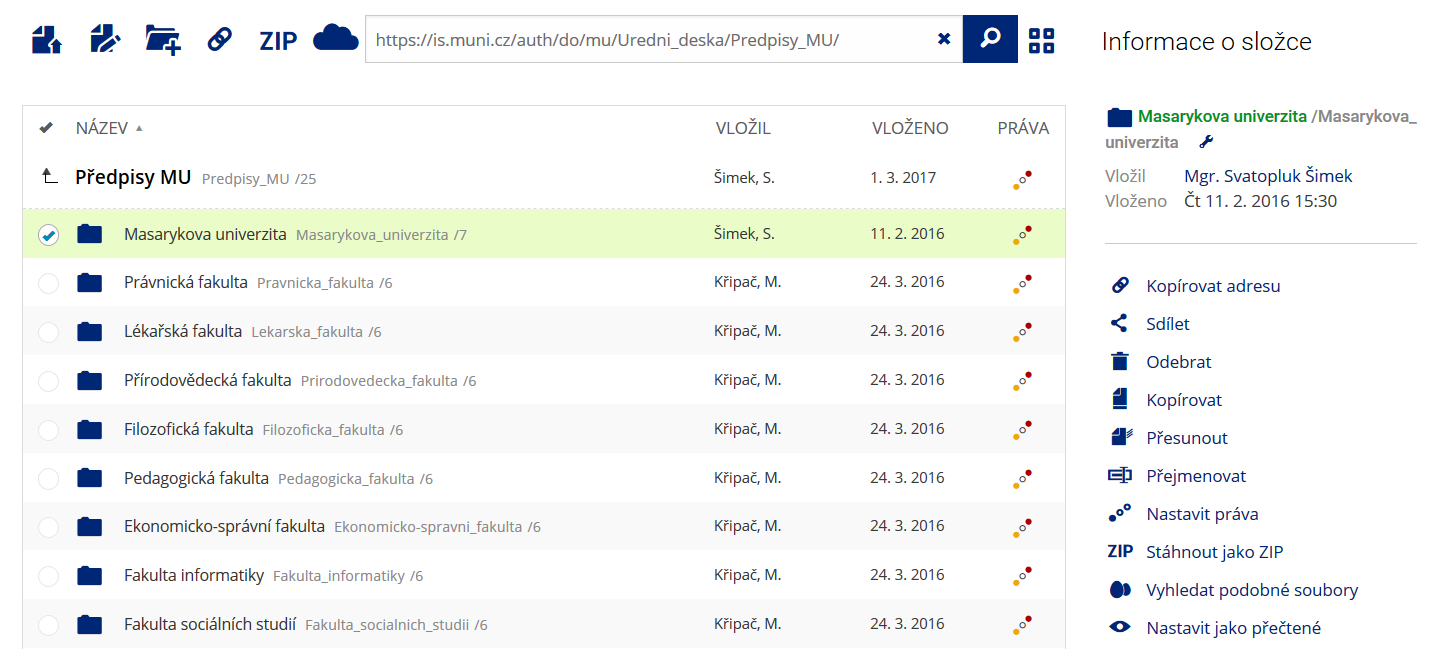 Pro častou práci je možné zvolit režim Více možností.
 Vyhledávaný výraz můžete zadat přímo do adresního řádku.
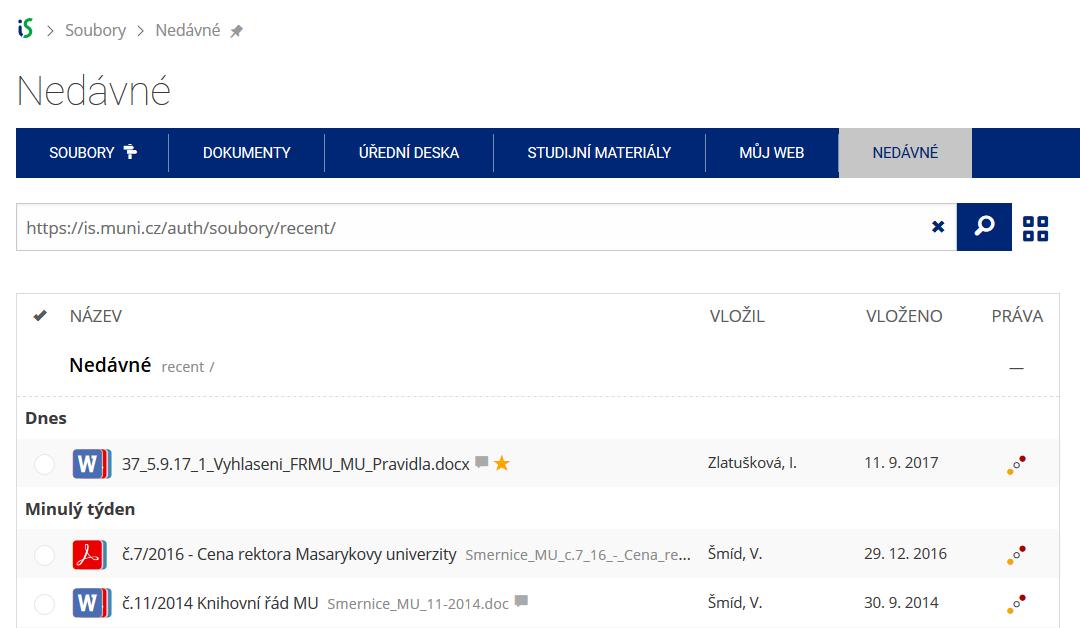 Pomocí funkce Nedávné je možné se rychle vrátit k právě prohlíženým souborům. Oblíbené soubory je také možné označit Hvězdičkou.