Závěrečná práce: Bc. Nikola Husáriková: Measurements by CubeSats: background levels at low Earth orbit, trapped particle models and gamma-ray transients
Diplomová práce
Measurements by CubeSats: background levels at low Earth orbit, trapped particle models and gamma-ray transients
Anotace
Výzkum záření zachycených částic na nízké oběžné dráze Země (LEO) je zásadní pro odhad rizik, které toto záření představuje pro vesmírné mise. Družice GRBAlpha, vybavená detektorem gama záření na své polární dráze, je schopna toto záření detekovat. V našem výzkumu porovnáváme naměřená data ze satelitu GRBAlpha (a VZLUSAT-2) s predikcemi z modelů zachycených nabitých částic AP8/AE8 a AP9/AE9 a objevujeme …více
Abstract
Research on trapped particle radiation in low Earth orbit (LEO) is crucial for estimating the risks this radiation poses to space missions. Satellite GRBAlpha, equipped with a gamma-ray detector in its polar orbit, is able to detect this radiation. In our research, we compare measured data from satellite GRBAlpha (and VZLUSAT-2) with predictions from AP8/AE8 and AP9/AE9 trapped charged particle models …více
Zadání práce
The goal of this project is to compare the in situ measurements of the background levels with the existing models of the trapped charged particle fluxes, such as NASA's legacy AE-8/AP-8 or newer AE-9/AP-9 models. These models are available either through the AFRL's software or via the ESA's WWW interface SPENVIS. Study of the distribution of the background levels, the temporal variability and possibly also anisotropy of the trapped charged particle flux will be highly beneficial for the planned low Earth satellite missions.
The accurate understanding of the recorded background is important for the efficient search of gamma-ray transients with the astrophysical origin such as gamma-ray bursts, soft gamma repeaters and solar flares. The next goal of this project is thus to search for these transient events in the observed light curves.
Another nanosatellite called VZLUSAT-2 is scheduled to be launched in Dec 2021 and it is anticipated that it will also bring plenty of valuable measurements which can be also analysed within this project.
8. 5. 2024 10:14, RNDr. Jakub Řípa, Ph.D., učo 245487
 angličtina
Oponent
National Institute for Astrophysics (INAF), OAS, Bologna, Italy
Citace dle normy ČSN ISO 690
Práce na příbuzné téma
Seznam prací, které mají shodná klíčová slova.
-
Modeling the Low Earth Orbit Particle Background of GRB Alpha using Space Weather Data
Mgr. Marianna Dafčíková, učo 500025 -
Detekce anomálií v datech o řešení problémů
Mgr. Hana Šormová, učo 103484 -
Study of orientation evolution and passive attitude control of CubeSats
Bc. Veronika Bartošová -
Efekt vakuové disperze na GRB
Mgr. Michaela Ďuríšková, učo 505876 -
Validace obsahu Interaktivních osnov
Mgr. Dalibor Kramář -
Hledání a charakterizace astrofyzikálních krátkodobých zdrojů v oboru gama pozorovaných nanodružicemi GRBAlpha a VZLUSAT-2
Mgr. Marianna Dafčíková, učo 500025
Složky
Soubory
-
Přidání souboru
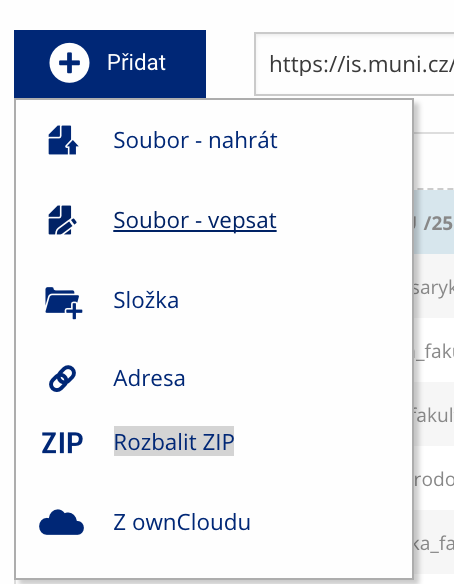 Soubor nebo složku lze nahrát pomocí tlačítka Přidat.
-
Další operace se soubory
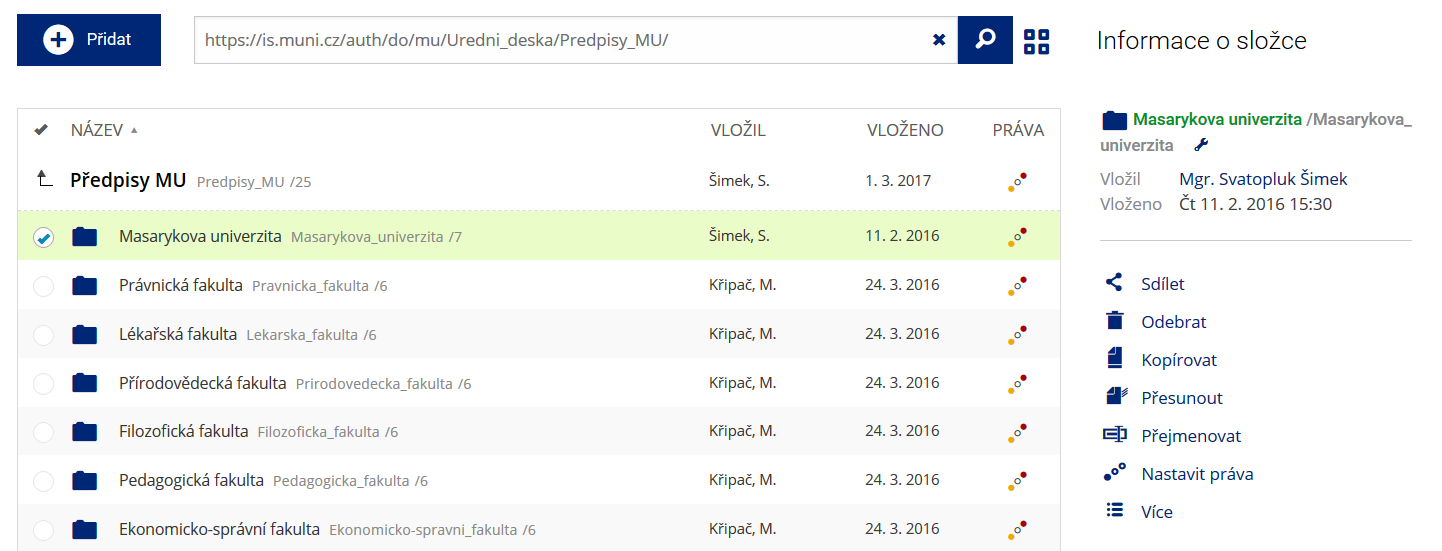 Podrobnosti lze zjistit označením příslušného řádku.
-
Pohled pro experty
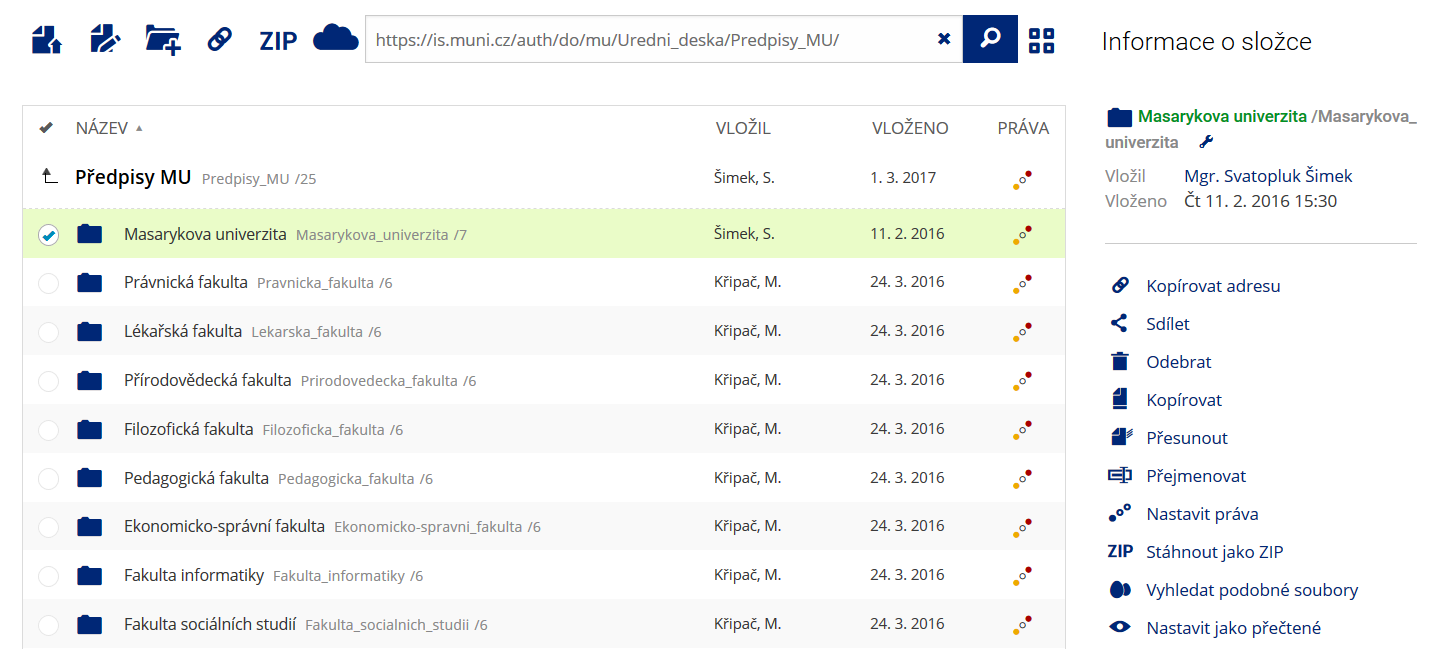 Pro častou práci je možné zvolit režim Více možností.
-
Vyhledávání souborů
 Vyhledávaný výraz můžete zadat přímo do adresního řádku.
-
Rychlý přístup k souborům
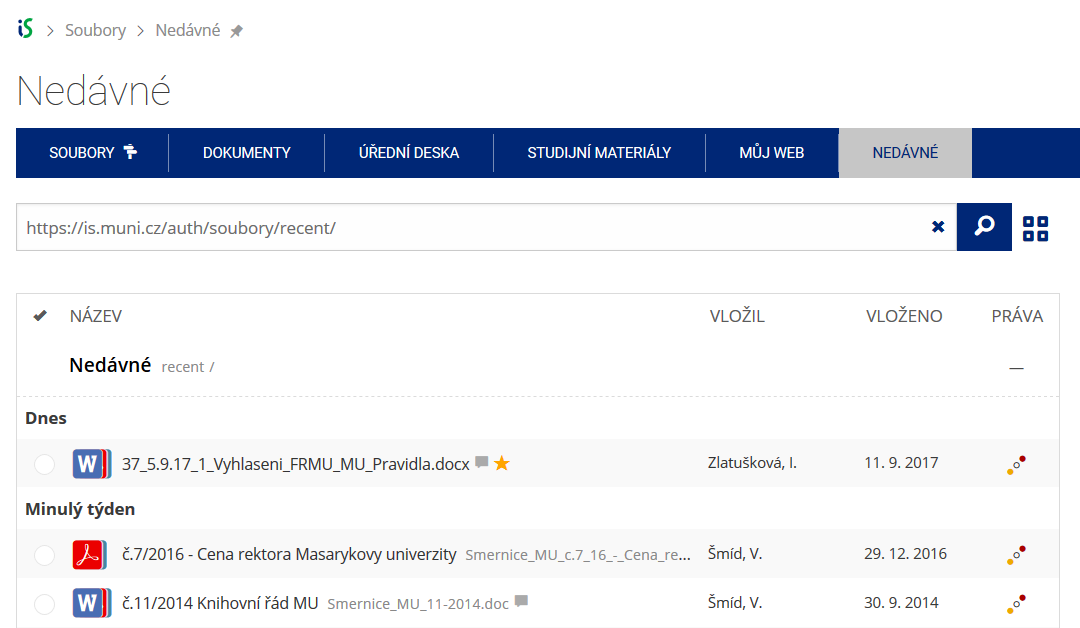 Pomocí funkce Nedávné je možné se rychle vrátit k právě prohlíženým souborům. Oblíbené soubory je také možné označit Hvězdičkou.