Závěrečná práce: Sebastian Sedlár, BSc (Hons): Skeletal trauma analysis of the remains from habanic burial site in Přibice
Diplomová práce
Skeletal trauma analysis of the remains from habanic burial site in Přibice
Anotace
Cílem této diplomové práce s názvem Analýza Kosterního Trauma Pozůstatků z Habánského Pohřebiště v Přibicích je sestavit ucelený narativ o existenci kosterního trauma u huteritské populace. Huterité, na Moravě také někdy známí jako Habáni, byli novokřtěneckou komunitou, která na území Moravy pobývala téměř 100 let. Koncem 16. století se usadili v Přibicích ve kterých poklidně přebývali až do napadení …více
Abstract
The objective of this master thesis, titled Skeletal Trauma Analysis of the Remains from Habanic Burial Site in Přibice, is to construct a comprehensive narrative on the prevalence of skeletal trauma within the Hutterite populus. The Hutterites, some-times known as Habans in Moravia, were an Anabaptist community which resided in the Moravian region for nearly a century. In the late 16th century, they …více
Zadání práce
The subject of the thesis is the analysis of skeletal traumas presented on the remains from habanic cemetery at Přibice. The aim of the work is to provide an overall picture of the occurrence of the traumas on the preserved bones, their form and the relationship between these features and demographic characteristics. The thesis should also place the information in the context of historical knowledge about the habanic settlement of South Moravia and its violent termination.
1) To develop a review focused on skeletal injuries caused by sharp and blunt force trauma, particularly in the mediaeval and early modern periods, using presumably non-invasive imaging technologies (e.g. for trasological research). The theoretical background should also include information on the weapons used in the early modern period within the area of South Moravia.
2) To conduct an osteological analysis on the remains from the Přibice site (including the remains from the season 2021), specifically analyzing signs of violence.
3) For selected cases of trauma (currently at least for the notch from the grave n. 35/2019), conduct a detailed analysis of the trauma, including macroscopic and microscopic assessment, modeling of tissue damage using non-invasive imaging technologies, trasological analysis) and an experiment mimicking possible mechanisms of trauma using relevant weapons and proxy skeletal material.
4) To relate the obtained information to demographic data and information from historical sources.
5) To interpret and discuss the results, type set the thesis, hand the thesis in the IS MU.
To be awarded credit for the first semester (course Bi7771 Diploma Thesis I) the above stated task I needs to be accomplished. To be awarded credit for the second semester (course Bi8772 Diploma Thesis II) also the above stated task 2 needs to be accomplished, to be awarded credit for the third semester (course Bi9200 Diploma Thesis III) also the above stated task 3 needs to be accomplished and to be awarded credit for the fourth semester (course Bi9773 Diploma Thesis IV) also the above stated tasks 4 and 5 need to be accomplished, therefore to finish the thesis and hand it in for thesis defense in the IS Archive.
The recommended extent of the thesis is 50–100 pages but can be exceeded if the thesis development requires it. However, the 50-page lower limit is the minimum which can be accepted. The thesis will exclude the explicit description of utilized material and methods, including in cases when the thesis is in form of a literature review. The method/process description will clearly state the author’s contribution to acquired results. Czech version of the ISO 690 style will be the citation style. Appropriate tabelar and graphical summarizing and instructive illustrations will form part of the thesis. The thesis will be handed in in the PDF format in the IS Archive and in print bound form for defense and archiving purposes. In the formal and content aspects the valid MU legislation, Dean’s Measure on final these and Department of Anthropology internal regulations must be met.
15. 1. 2024 09:33, Mgr. Mikoláš Jurda, Ph.D., učo 85144
Přílohy
 angličtina
Oponenti
CReA-Patrimoine – Université libre de Bruxelles
Konzultant
ÚAntr Biol PřF MU
Práce na příbuzné téma
Seznam prací, které mají shodná klíčová slova.
-
Novokřtěnci z Přibic: antropologická analýza kosterních pozůstatků
Mgr. Ida Svobodová -
Nechte ústa otevřená: Zubní a ústní zdraví novokřtěců pohřbených v Přibicích
Mgr. Margarita Gorbulina -
Historie a současnost Hutteritů v Kanadě a USA
Mgr. Adéla Kusalová -
Migrační historie novokřtěnců v Evropě
Bc. Adrian Dvorjančanský -
Tělesná výška moravských novokřtěnců
Mgr. Barbora Prikrylová -
Mobility and landscape use among the Přibice anabaptists: insights from isotopic analysis
Mgr. Gabriela Joanna Sečkářová, učo 521717 -
Život v habánské komunitě. Komparační studie moravských novokřtěnců a současných hutteritů.
Mgr. Anna Blažková, učo 505572 -
Zachovalost kosterních pozůstatků z habánského pohřebiště v Přibicích z pohledu virtuální tafonomie
Mgr. Tereza Bělušová
Složky
Soubory
- Skeletal_Trauma_Analysis_of_the_Remains_from_Habanic_Burial_Site_in_Pribice.docx
- Skeletal_Trauma_Analysis_of_the_Remains_from_Habanic_Burial_Site_in_Pribice.pdf
- Skeletal_Trauma_Analysis_of_the_Remains_from_Habanic_Burial_Site_in_Pribice_Archive.pdf
- Skeletal_Trauma_Analysis_of_the_Remains_from_Habanic_Burial_Site_in_Pribice.txt
-
Přidání souboru
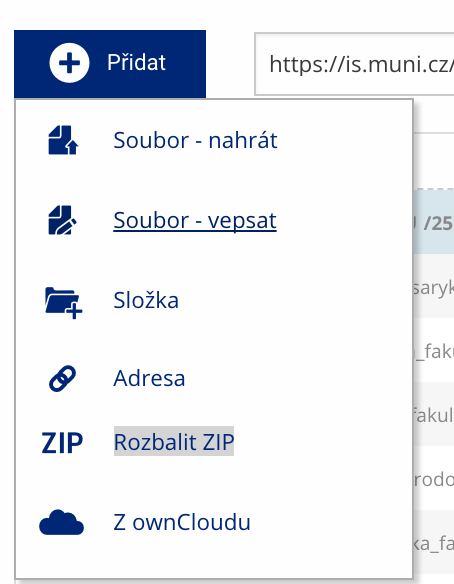 Soubor nebo složku lze nahrát pomocí tlačítka Přidat.
 -
Další operace se soubory
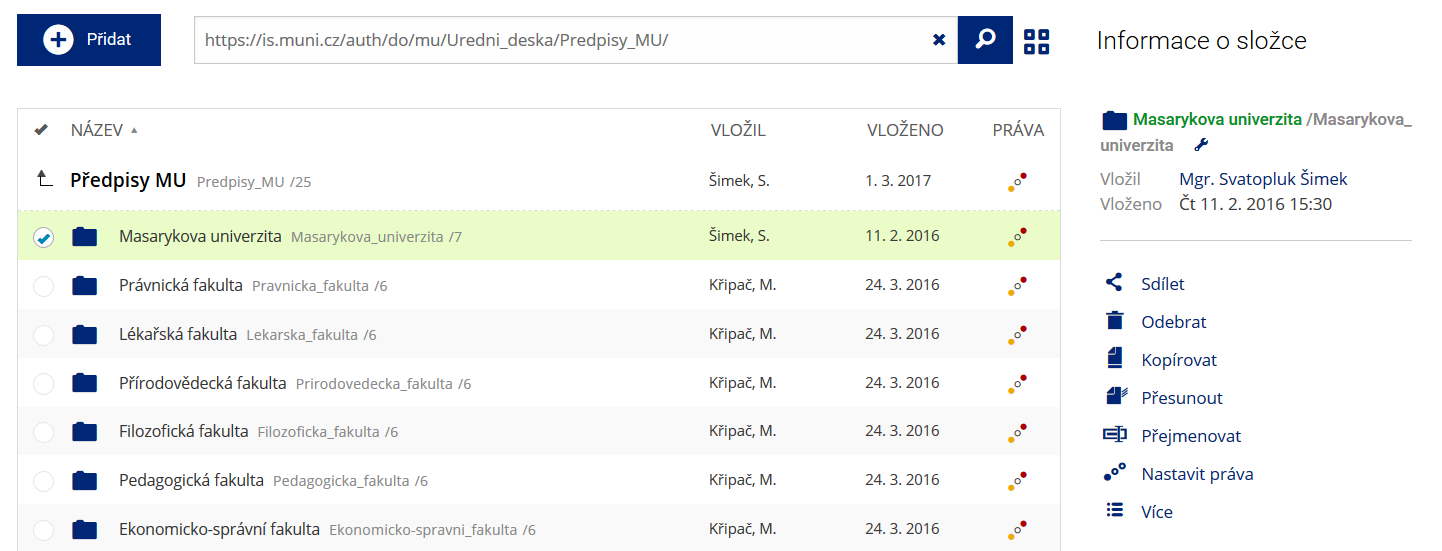 Podrobnosti lze zjistit označením příslušného řádku.
 -
Pohled pro experty
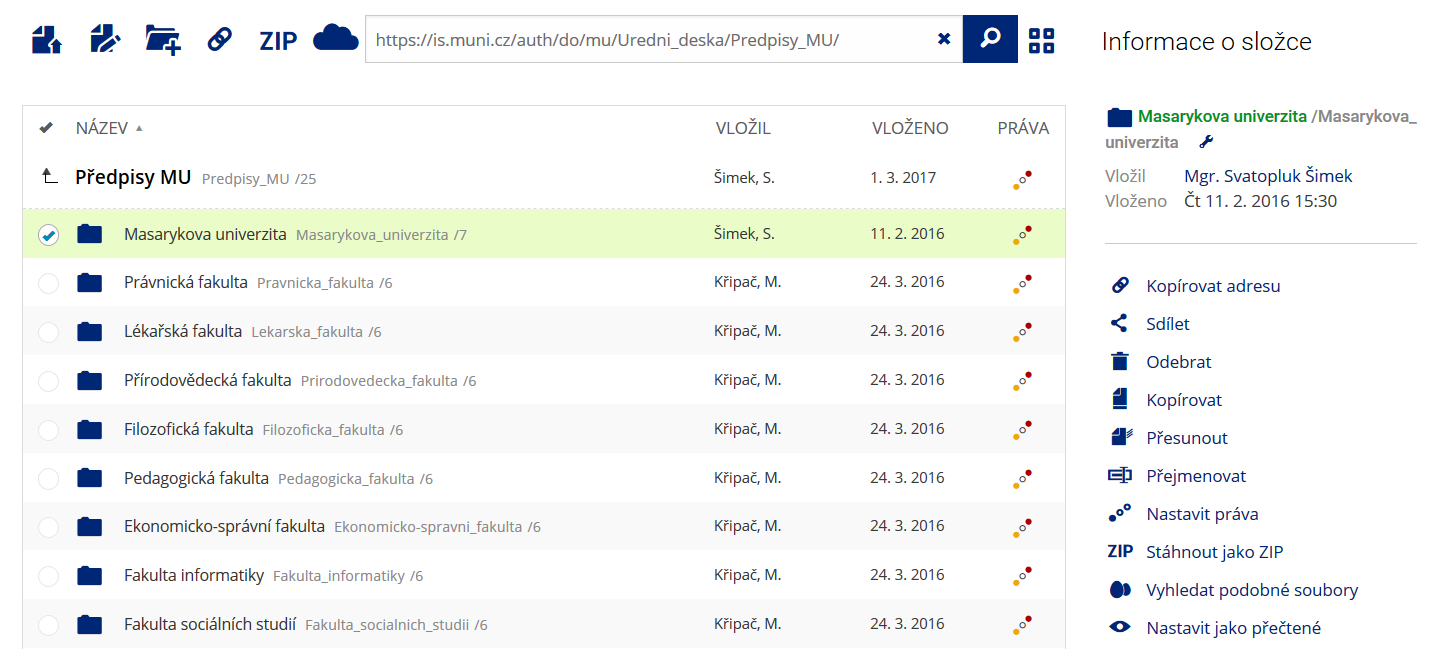 Pro častou práci je možné zvolit režim Více možností.
 -
Vyhledávání souborů
 Vyhledávaný výraz můžete zadat přímo do adresního řádku.
 -
Rychlý přístup k souborům
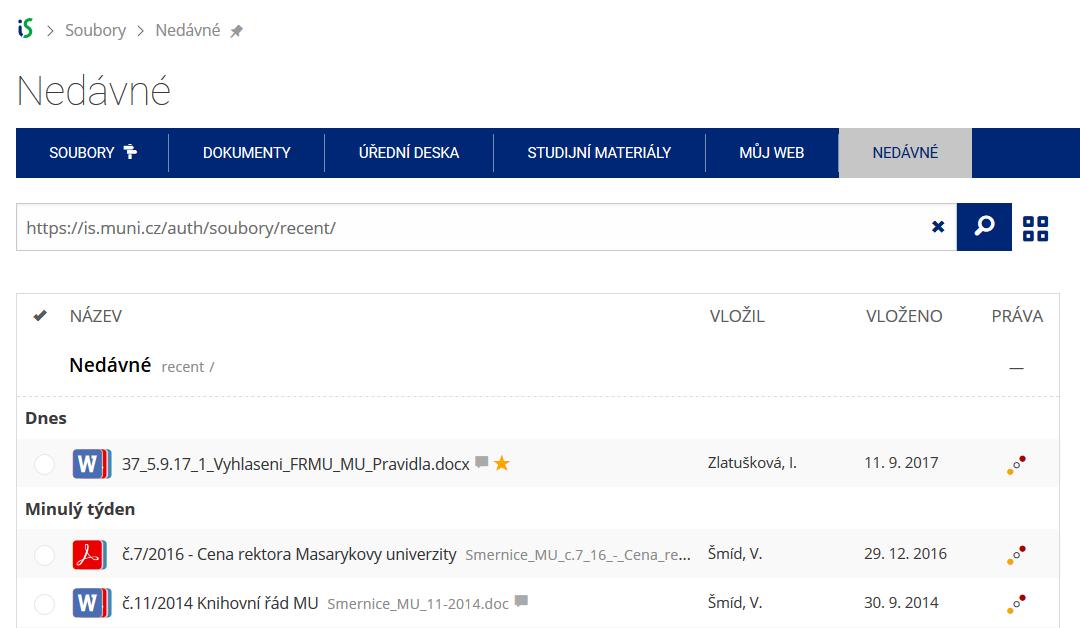 Pomocí funkce Nedávné je možné se rychle vrátit k právě prohlíženým souborům. Oblíbené soubory je také možné označit Hvězdičkou.