Závěrečná práce: Filip Gregora: Propojení pojmenovaných entit získaných z českých biomedicínských textů se standardními slovníky
Bakalářská práce
Propojení pojmenovaných entit získaných z českých biomedicínských textů se standardními slovníky
Linking named entities extracted from Czech biomedical texts with standard vocabularies
Anotace
Pomocí metod strojového učení ve zdravotnictví můžeme dosáhnout rychlejšího a přesnějšího lékařského rozhodování. Bohužel je většina lékařských informací uložena ve formě nestrukturovaného textu, který pro metody strojového učení není vhodný. Jako řešení implementuje tato práce techniku, která propojí pojmenované entity získané z českých biomedicínských textů se standardními slovníky. Tato technika …více
Abstract
We can achieve faster and more accurate medical decision-making thanks to machine learning methods in healthcare. Unfortunately, most medical information is stored in unstructured text, which is unsuitable for machine learning methods. As a solution, this work implements a technique that connects named entities obtained from Czech biomedical texts with standard dictionaries. This technique works in …více
Zadání práce
Patient records are a goldmine for various data analytics and machine learning applications aiming at gaining insights that could lead to more efficient treatments, inform innovative clinical decision support systems and enable patient empowerment. However, a lot of information in patient records is "locked" in the form of unstructured text that is not readily amenable to machine processing.
NLP models (the best of them typically based on transformer architectures / Large Language Models these days) can extract named entities from texts (e.g., names of diseases, clinical procedures or drugs). Associating the extracted entities with unique identifiers via standard biomedical vocabularies (such as those represented in the Unified Medical Language System) is still a challenge, though, despite being of great use in the downstream processing of the identified terms.
Goals:
- Study the state of the art in biomedical named entity recognition.
- Review biomedical vocabularies best suited to the task.
- Implement a technique for mapping entities extracted by a bespoke biomedical language model (developed by another student) to the selected vocabulary.
- Validate the produced mappings, ideally based on a feedback of a clinical expert.
- Write up the results in a thesis form.
Requirements:
- Keen interest in the topic.
- At least minimal hands-on experience with natural language processing.
- While the thesis can be written and defended in Czech, its elaboration and presentation in English will be supported enthusiastically (the results may be disseminated to and used by partners in ongoing or future EU projects).
- Monthly (or more frequent, if needed) progress review meetings with the supervisor will be expected.
- The student(s) will also be expected to develop and document any related code using the FI MU Gitlab and ICS SensitiveCloud platforms, and (if applicable) re-use and interact with other related projects there.
25. 5. 2024 08:30, doc. Mgr. Bc. Vít Nováček, PhD, učo 4049
 čeština
Citace dle normy ČSN ISO 690
Práce na příbuzné téma
Seznam prací, které mají shodná klíčová slova.
-
Srovnání metod strojového učení pro rozpoznání citlivých dat
Mgr. Adam Považanec -
Propaganda Detection using Stylometric Text Analysis
RNDr. Radoslav Sabol, učo 469331 -
Text-Enhanced Relational Learning for Drug Repurposing
Mgr. Marek Toma, učo 485275 -
Analysis of use of AI systems in writing final theses at FI MU
Ing. David Černý -
Domain-specific English-Czech Neural Machine Translation
Mgr. Martin Wörgötter -
Czech Question Answer Selection using Recurrent Neural Networks
RNDr. Radoslav Sabol, učo 469331 -
Authorship Identification
Bc. Adam Karásek -
Machine Learning for Text Anomaly Detection
Ing. Alina Tsykynovska
Složky
Soubory
-
Přidání souboru
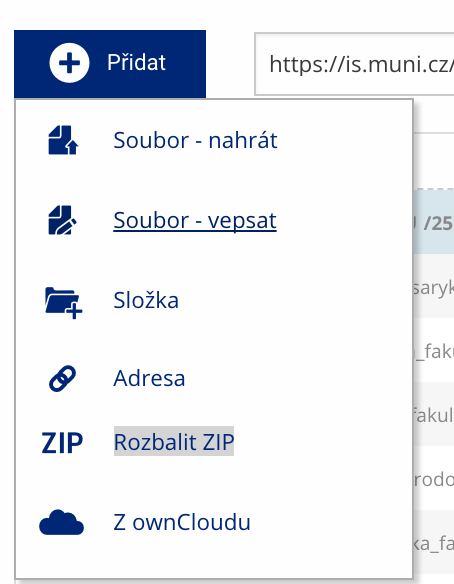 Soubor nebo složku lze nahrát pomocí tlačítka Přidat.
 -
Další operace se soubory
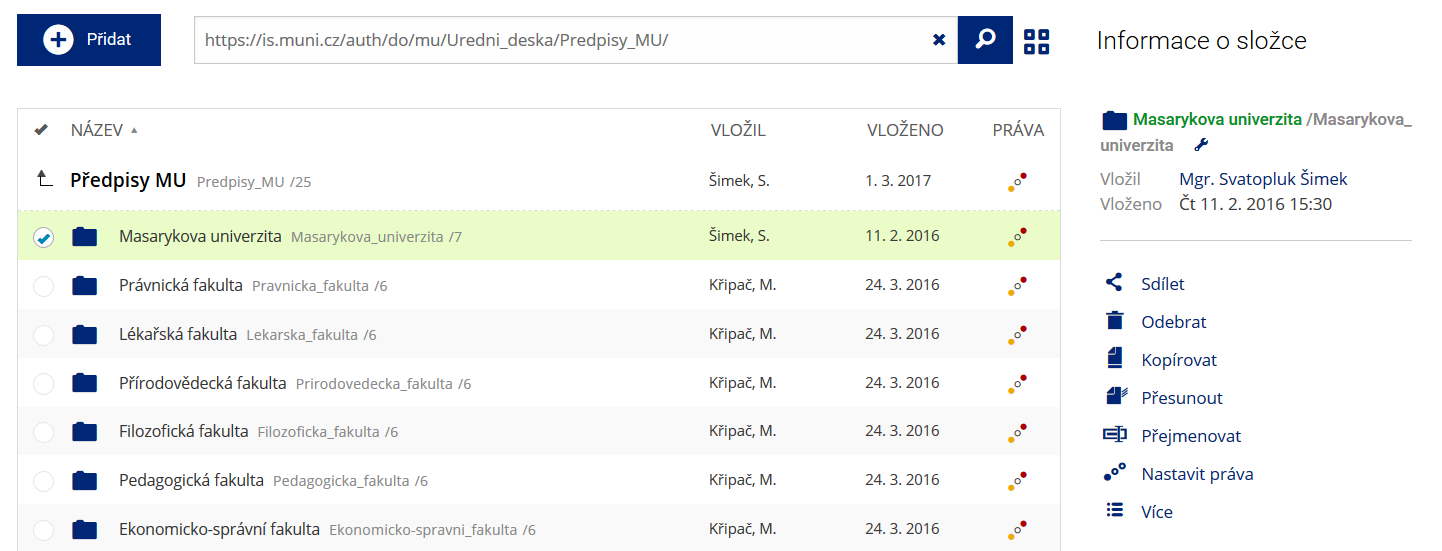 Podrobnosti lze zjistit označením příslušného řádku.
 -
Pohled pro experty
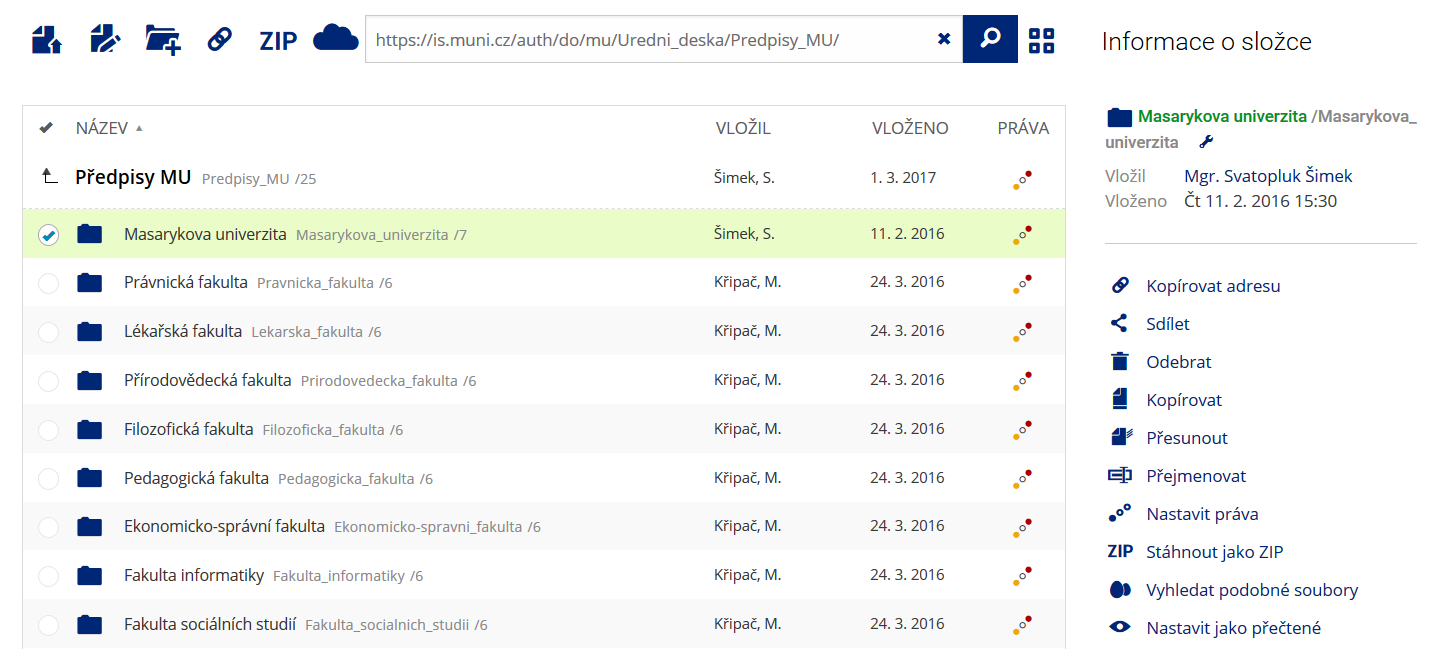 Pro častou práci je možné zvolit režim Více možností.
 -
Vyhledávání souborů
 Vyhledávaný výraz můžete zadat přímo do adresního řádku.
 -
Rychlý přístup k souborům
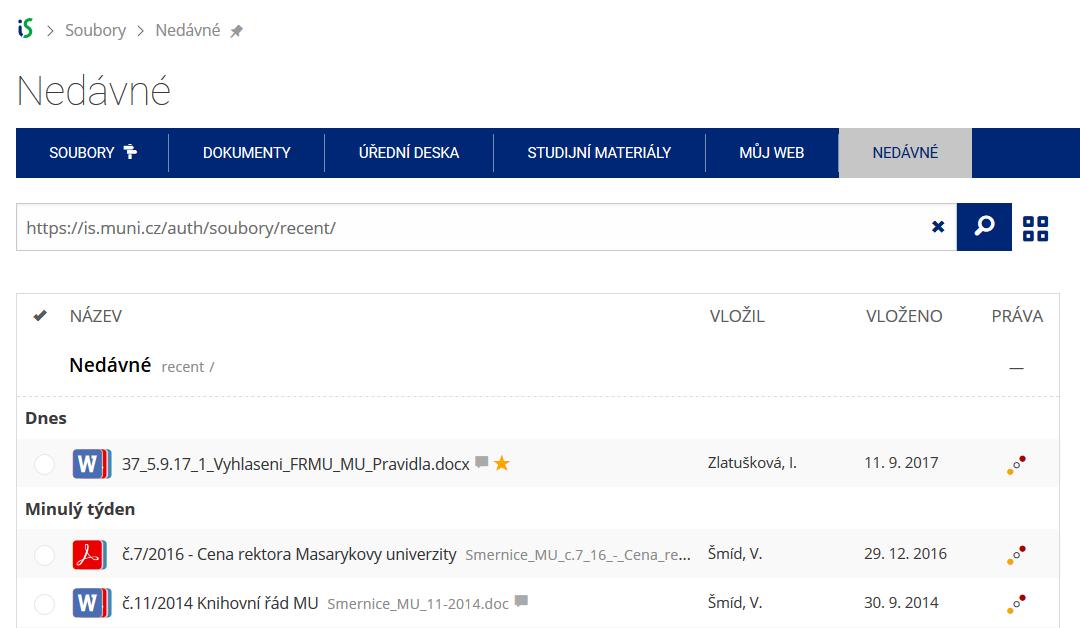 Pomocí funkce Nedávné je možné se rychle vrátit k právě prohlíženým souborům. Oblíbené soubory je také možné označit Hvězdičkou.