Závěrečná práce: Bc. Peter Kotvan: Analysis of randomness levels in the kernel entropy pool after boot
Diplomová práce
Analysis of randomness levels in the kernel entropy pool after boot
Anotace
Pri štarte systému rôzne systémové programy využívajú náhodnosť naakumulovanú Linuxovým jadrom cez súbor /dev/urandom na generovanie kryptografických kľúčov alebo inicializovanie generátora pseudonáhodných čísel. Táto náhodnosť sa typicky zbiera z rôznych zdrojov do zásobníka entropie. Linuxové jadro však môže bežať na zariadeniach s rôznou hardvérovou špecifikáciou, alebo v čisto virtualizovanom prostredí …více
Abstract
At system boot up several system daemons utilize the Linux kernel's accumulated randomness via /dev/urandom to generate keys or initialize a pseudorandom number generator (PRNG). The randomness is typically being accumulated by mixing to a pool several "entropy" sources. The Linux kernel however may operate on various hardware with different specifications, or even in a pure virtual environment without …více
Zadání práce
- Analyse real-world cases of hardware-constrained systems running Linux kernel to be able to determine suitable environment for data collection.
- Study the possibilities of gathering the input of Linux kernel PRNG and modify the kernel source code to enable data collection.
- Collect the data.
- Identify the sources of the entropy and examine the randomness contribution of these sources.
- Evaluate collected dataset using statistical methods for computing entropy contained in the data.
- Interpret the results in context of impact on the quality of the random data provided by Linux Kernel.
- Propose possible improvements and optimizations that would enhance the quality of randomness gathered in the boot process.
31. 5. 2016 08:23, Ing. Mgr. et Mgr. Zdeněk Říha, Ph.D., učo 2514
- Archiv závěrečné práce není dostatečně naplněn.
 angličtina
Práce na příbuzné téma
Seznam prací, které mají shodná klíčová slova.
-
Technické řešení univerzální služby připojení k Internetu
Mgr. David Kutálek -
Quantum key distribution and weak randomness
Mgr. Jonáš Trantina -
Jackiw–Teitelboim gravity
Mgr. Zdeněk Pekař -
Analýza a predikce bezpečnostních hrozeb a rizik v České republice
PhDr. Libor Frank, Ph.D. -
Grafické rozhraní pro OpenSSL
Bc. Petr Lefner, učo 72951 -
On selected privacy and security issues in wireless sensor networks
RNDr. Jiří Kůr, Ph.D. -
Reputační systémy v bezdrátových sensorových sítích
Bc. Petr Soběslavský, učo 172452 -
Zpravodajské služby a jejich úloha v boji proti organizovanému zločinu a terorismu
Mgr. Martin Stehlík, učo 84496
Složky
Soubory
-
Přidání souboru
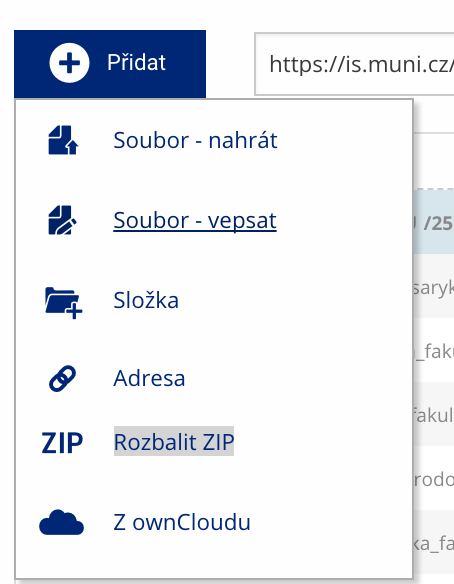 Soubor nebo složku lze nahrát pomocí tlačítka Přidat.
 -
Další operace se soubory
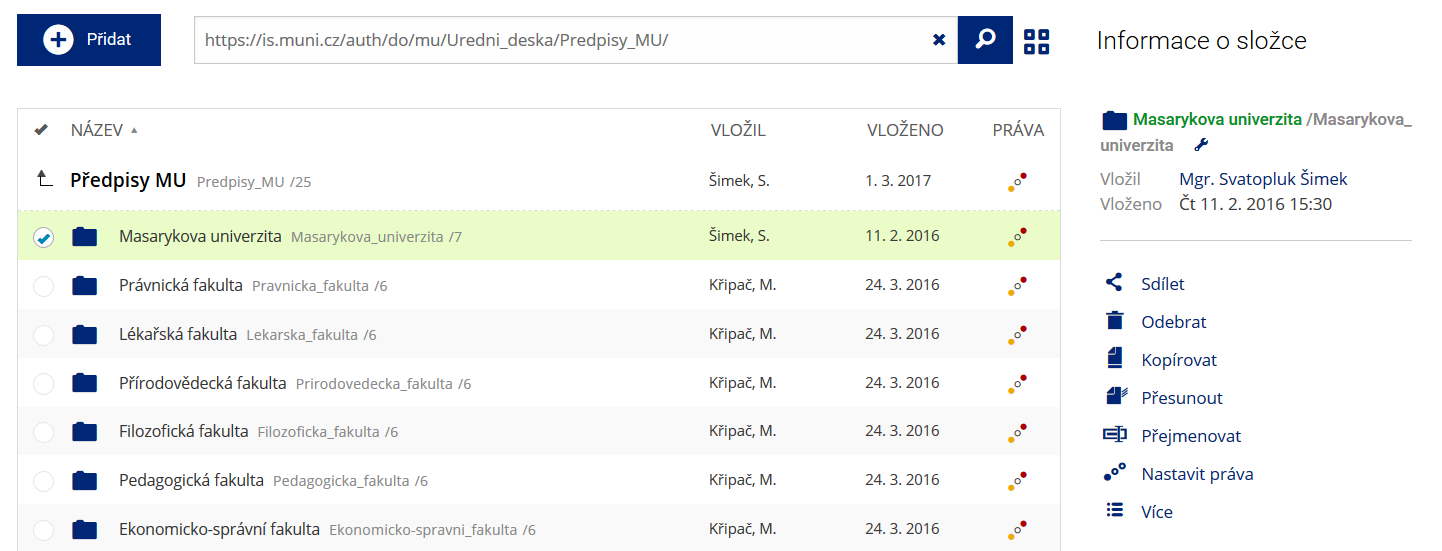 Podrobnosti lze zjistit označením příslušného řádku.
 -
Pohled pro experty
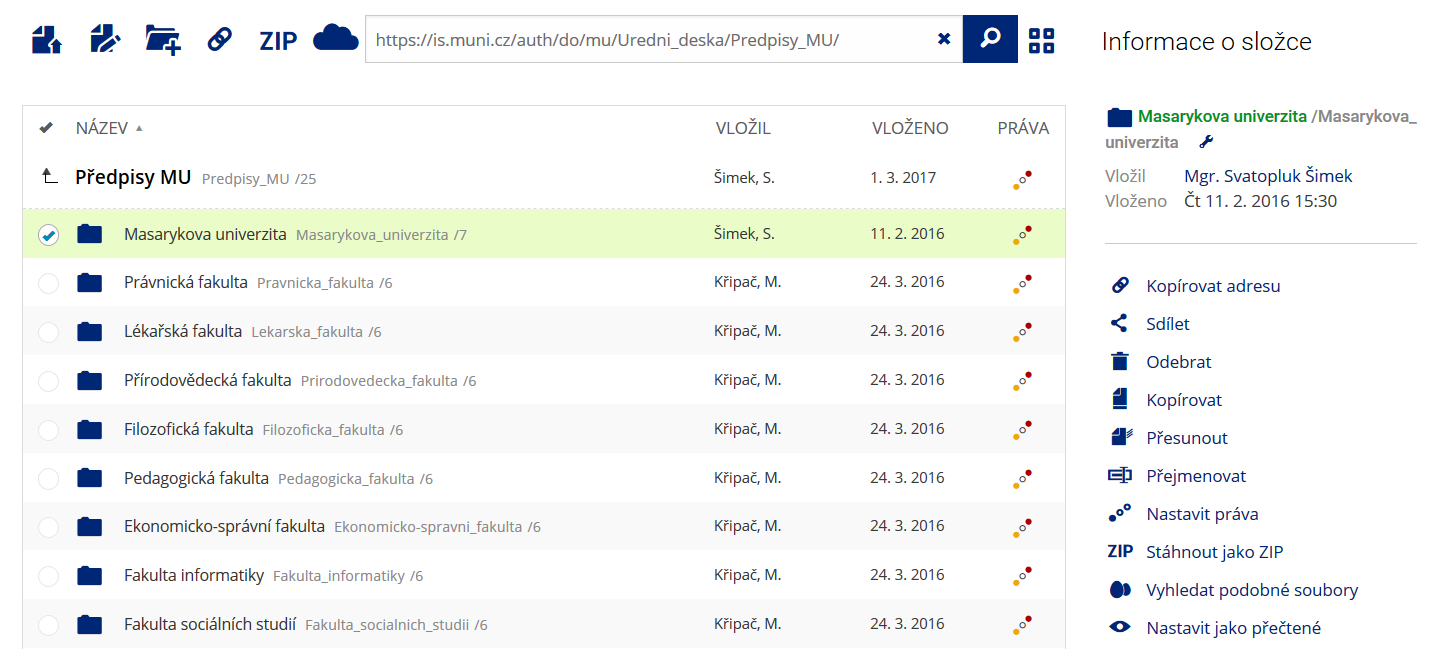 Pro častou práci je možné zvolit režim Více možností.
 -
Vyhledávání souborů
 Vyhledávaný výraz můžete zadat přímo do adresního řádku.
 -
Rychlý přístup k souborům
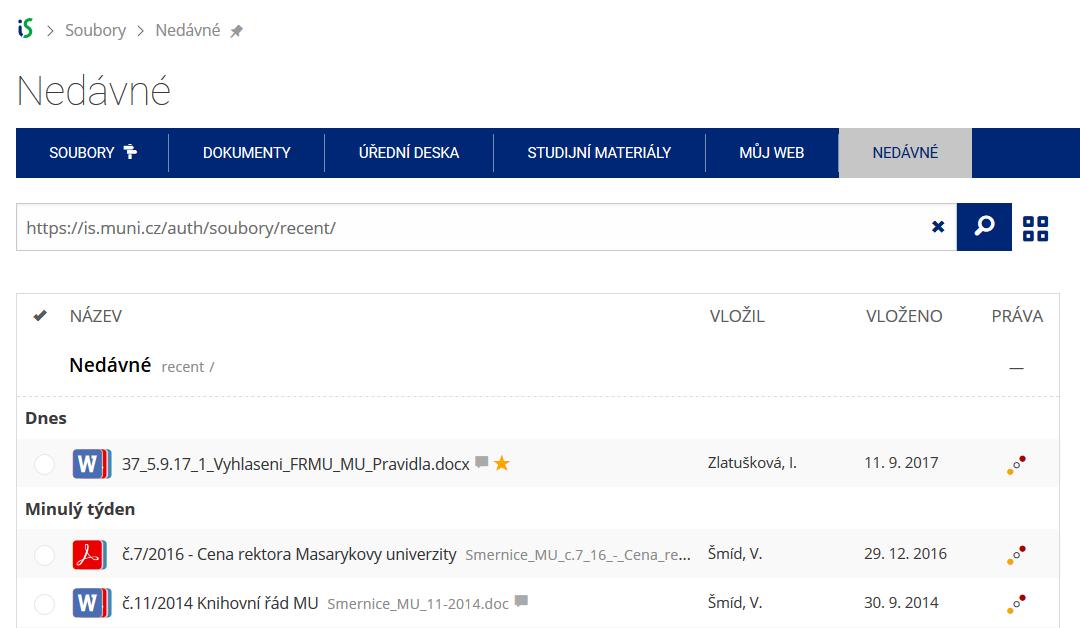 Pomocí funkce Nedávné je možné se rychle vrátit k právě prohlíženým souborům. Oblíbené soubory je také možné označit Hvězdičkou.