Závěrečná práce: Bc. Katja Stojnšek, učo 557149: Into the Mind of AI: How Uncertainty and Sociality Motivation Shape Chatbot Anthropomorphism
Diplomová práce
Into the Mind of AI: How Uncertainty and Sociality Motivation Shape Chatbot Anthropomorphism
Anotace
Antropomorfismus představuje klíčový fenomén v oblasti interakce člověka s počítačem (HCI), sociální robotiky a stále častěji i v interakcích s chatboty založenými na umělé inteligenci. Lidé mají tendenci připisovat nelidským entitám – jako jsou zvířata, božstva či technologické systémy – lidské vlastnosti a mentální stavy. Podle vlivné teorie antropomorfismu je tento proces podmíněn třemi hlavními …více
Abstract
Anthropomorphism plays a central role in human–computer interaction (HCI), social robotics, and, increasingly, in interactions with artificial intelligence (AI) chatbots. Humans commonly attribute human-like characteristics and mental states to non-human agents, including animals, deities, and technological systems. According to a prominent theory, three key psychological determinants underlie this …více
Zadání práce
Research questions are specified as follows:
- Does increased unpredictability in chatbot responses lead to higher levels of its anthropomorphization? Can uncertainty about the chatbot responses influence the perception of its human-like characteristics, motivations, intentions, or underlying mental states?
- Are socially disconnected individuals more likely to anthropomorphize AI chatbots? What is the role of loneliness/social disconnection in attributing anthropomorphic traits to a nonhuman agent?
- Individuals experiencing social disconnection will be more likely to anthropomorphize AI chatbots.
- Unpredictability in chatbot responses will enhance the tendency to anthropomorphize by leading individuals to attribute more human-like traits to the chatbot.
- Epley, N., Waytz, A., & Cacioppo, J. T. (2008). On seeing human: A three-factor theory of anthropomorphism. Psychological Review, 114(4), 864–886.
- Shank, D. B., Graves, C., Gott, A., Gamez, P., & Rodriguez, S. (2019). Feeling our way to machine minds: People’s emotions when perceiving mind in artificial intelligence. Computers in Human Behavior, 98, 256–266.
- Waytz, A., Morewedge, C. K., Epley, N., Monteleone, G., Gao, J.-H., & Cacioppo, J. T. (2010). Making sense by making sentient: Effectance motivation increases anthropomorphism. Journal of Personality and Social Psychology, 99(3), 410–435.
- Xiao, Q., Elsherif, M., Chu, H. Y., Tang, M. C., Wong, T. H., Wu, Y., Pomareda, C., & Feldman, G. (2024). Insufficient evidence of a positive association between chronic loneliness and anthropomorphism: Replication and extension Registered Report of Epley et al. (2008). Psychology of Consciousness: Theory, Research, and Practice, 11(3), 415–431.
- Zehnder, E. (2023). Loneliness and social robots: Acceptability and trust [Doctoral thesis, Université de Lorraine].
6. 5. 2026 17:14, Mgr. Jana Nenadalová, Ph.D., učo 413843
 angličtina
Citace dle normy ČSN ISO 690
Práce na příbuzné téma
Seznam prací, které mají shodná klíčová slova.
-
Gli elementi storici e autobiografici attraverso l'analisi di La casa in collina di Cesare Pavese
Mgr. Bc. Lucia Nekorancová -
Fenomén FoMO a jeho prediktory u uživatelů sociální sítě Instagram
Bc. Petra Vrbková -
Psychologické důsledky negativních stereotypů o seniorech
Bc. Marie Hejlová -
Spojitost ageismu a prožívané osamělosti ve starším věku
Bc. Kamila Kubesová -
Role soucitu k sobě ve vztahu citové vazby a osamělosti
Bc. Veronika Žaludová -
Faktory vnímaného stresu a technostresu u starší populace
Mgr. Kristýna Macháčková -
Vliv barvy loga na hodnocení „osobnosti značky“
Mgr. Lucie Uhrová -
Fenomén izolace a osamělosti z pohledu seniorské populace
Mgr. Lenka Brázdilová
Složky
Soubory
-
Přidání souboru
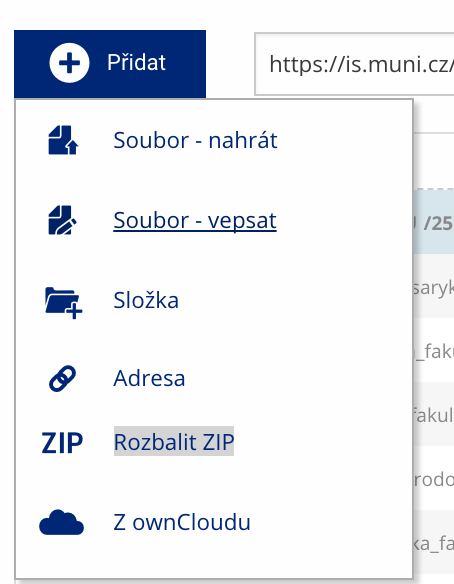 Soubor nebo složku lze nahrát pomocí tlačítka Přidat.
 -
Další operace se soubory
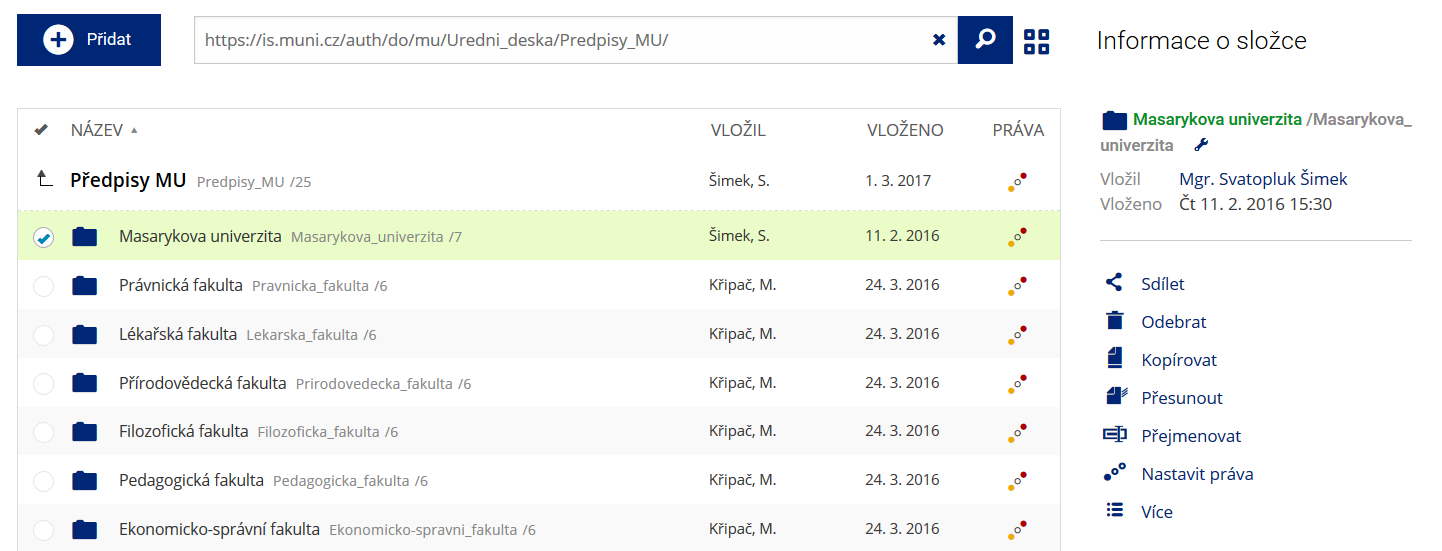 Podrobnosti lze zjistit označením příslušného řádku.
 -
Pohled pro experty
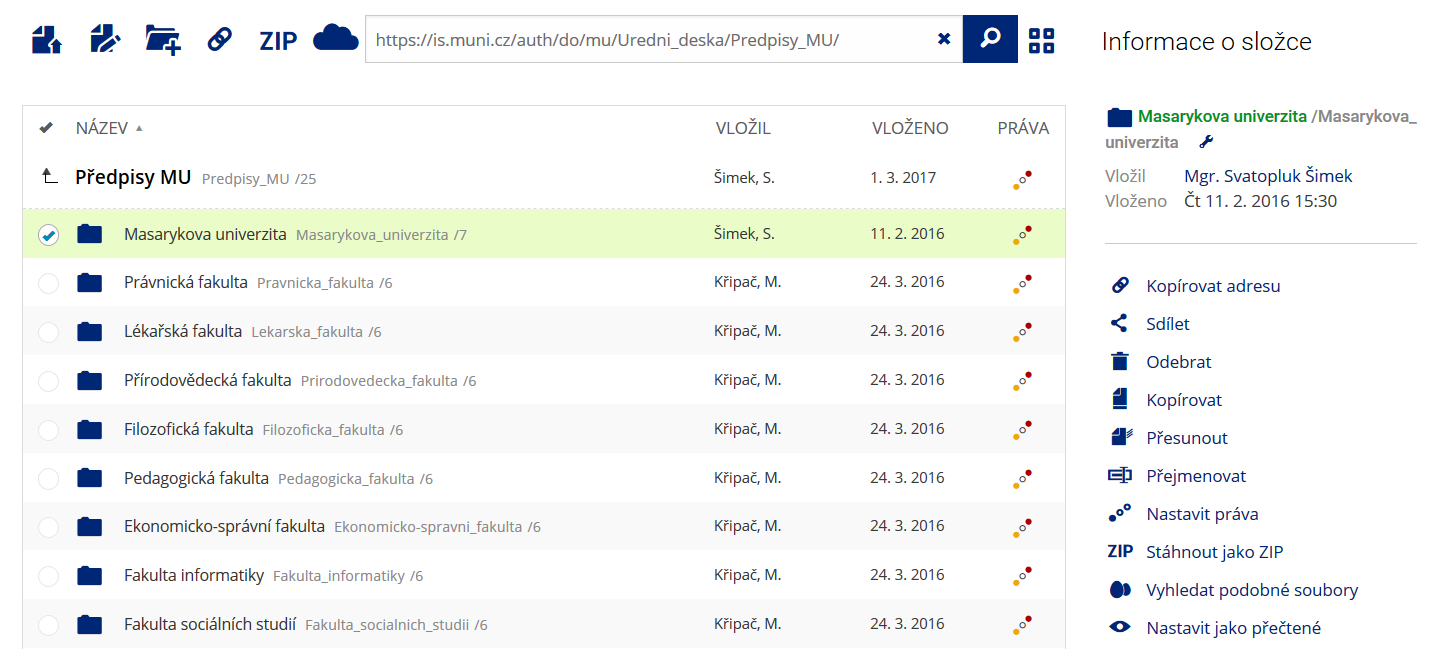 Pro častou práci je možné zvolit režim Více možností.
 -
Vyhledávání souborů
 Vyhledávaný výraz můžete zadat přímo do adresního řádku.
 -
Rychlý přístup k souborům
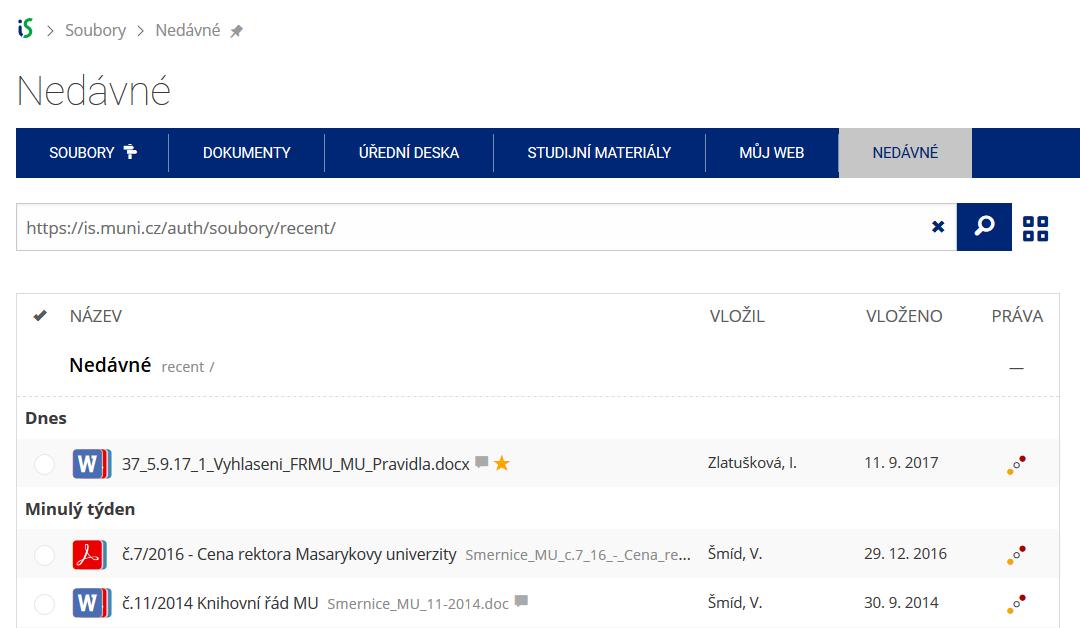 Pomocí funkce Nedávné je možné se rychle vrátit k právě prohlíženým souborům. Oblíbené soubory je také možné označit Hvězdičkou.