Závěrečná práce: Mgr. Milan Balaban: Serbia: a case of study of the transition from an authoritarian regime to democracy
Diplomová práce
Serbia: a case of study of the transition from an authoritarian regime to democracy
Mgr. Milan Balaban
Abstract
In this master thesis, we wanted to describe and analyze transition of Serbia from authoritarian regime to democracy. Serbia was in last decade of XX century basically outcast of the world, under authoritarian regime of Slobodan Milosevic. His rule was fitting into paterns of competitive authoritariaism which developed after end of the Cold War. Regime of Slobodan Milosevic was brought down after peacefull …více
Zadání práce
After breakup of Yugoslavia, in Croatia and Serbia, then together with Montenegro in third, Federal Republic of Yugoslavia, was created two very similar regimes. Bothe of them had authoritarian character with democratic cloak. In either of them, democratic procedures have been quenched, with electoral process which was in favor of ruling party, in Croatia HDZ (Croatian Democratic Community) and in Serbia SPS (Socialistic Party of Serbia). Franjo Tudjman and Slobodan Milosevic were holding strongly all the power ropes in their hands more than decade. In the year 2000, democratic changes started to happen, and both of this country’s can be characterized now as democracies, with free elections, freedom of press and aspiration for membership in the EU. Democratization was slowly process, which witnessed reformation of the both ruling parties, who still participated in the governments of Croatia and Serbia, as the dominant party, like HDZ, or as part of wider coalition like SPS. Especially in Serbia, it was resisted by remnants of old power groups, which ended with murder of reform prime minister Djindjic in 2003, and continuing repetition of elections, were the voters needed always to choose between pro-reform and backward elements.
Major research questions:
Was the democratization of Croatia and Serbia inevitable process, or was this process in danger to fail during the last decade, and is the democratization, especially in Serbia, finished?
Is there chance for reverting this process, specially because of question of Kosovo, and that some of this states fall again to authoritarian, or semi-authoritarian regime?
Literature:
Jan Pelikán, Lubomíra Havlíková, Tomáš Chrobák, Jan Rychlík, Miroslav Tejchman, Ondřej Vojtěchovský: Dějiny Srbska, Praha 2005.
Jan Rychlik, Milan Perenčevič, Dějiny Chorvatska, Praha 2007.
Michal Kubát a kolektiv: Politické a Ústavní systémy zemí středovýchodní Evropy, Praha 2004.
Duško Doder, Louise Dransonova: Miloševič, vitezný architect valký, Praha 2000.
Steven Levitsky, Lucan A. Way: Competitive authoritarianism: Hybrid Regimes After the Cold War. Cambridge University press, 2010.
Valeria J. Bunce, Sharon L. Wolchik. International diffusion and postcommunist electoral revolution. Communist and Post-Communist Studies, Volume 39, Issue 3, September 2006, Pages 283-304.
Práce zkontrolována:
16. 12. 2011 08:35, prof. PhDr. Vít Hloušek, Ph.D.
16. 12. 2011 08:35, prof. PhDr. Vít Hloušek, Ph.D.
Jazyk práce
 angličtina
Termín obhajoby
11. 1. 2012
Práce byla úspěšně obhájena
Vedoucí
prof. PhDr. Vít Hloušek, Ph.D.
KMVES FSS MU
KMVES FSS MU
Oponent
Citace dle normy ČSN ISO 690
BALABAN, Milan. Serbia: a case of study of the transition from an authoritarian regime to democracy. Online. Diplomová práce. Brno: Masarykova univerzita, Fakulta sociálních studií. 2012. Dostupné z: https://is.muni.cz/th/vtx93/.
Studijní program
Politologie
Práce na příbuzné téma
Seznam prací, které mají shodná klíčová slova.
-
Demokratické hodnoty ako podmienka vstupu Srbska do Európskej únie
Bc. Andrea Mišová -
Voľby do Národnostnej rady slovenskej národnostnej menšiny v Srbsku v roku 2022
Mgr. Juraj Foltín -
Chinese and Serbian bilateral relations and the impact on EU values
Bc. Viktor Valovič -
Od úspešnej tranzície ku kríze demokracie: Vývoj a premena demokracie v Slovinsku
Mgr. Alžbeta Neuschlová -
Volby jako kritérium klasifikace hybridních režimů; analýza voleb v post-suhartovské Indonésii
Mgr. Václav Kučera -
Serbia’s Struggle on the Path Towards Its Membership in the European Union
Bc. Filip Dragićević -
Mexický prezidencialismus za éry PRI
Mgr. et Mgr. Jiří Foral, Ph.D., učo 52838 -
Přechod k demokracii v Jižní Koreji
Mgr. Karel Musílek, MSc
Název
Vložil
Vloženo
Práva
Archiv závěrečné práce Milan Balaban FSS N-PL EP vtx93/5
Balaban, M.
11. 12. 2011
Složky
Soubory
Balaban, M.
11. 12. 2011
23. 12. 2011
-
Přidání souboru
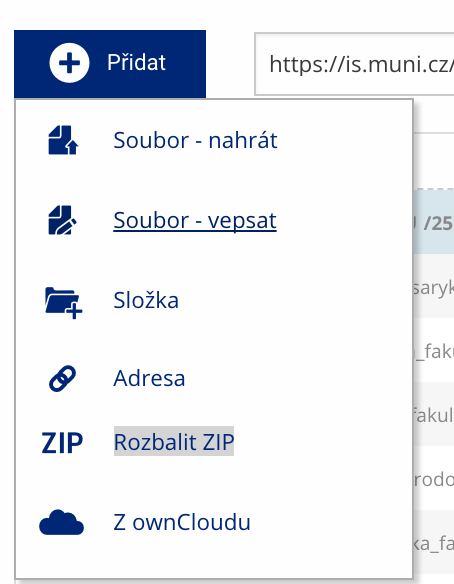 Soubor nebo složku lze nahrát pomocí tlačítka Přidat.
 -
Další operace se soubory
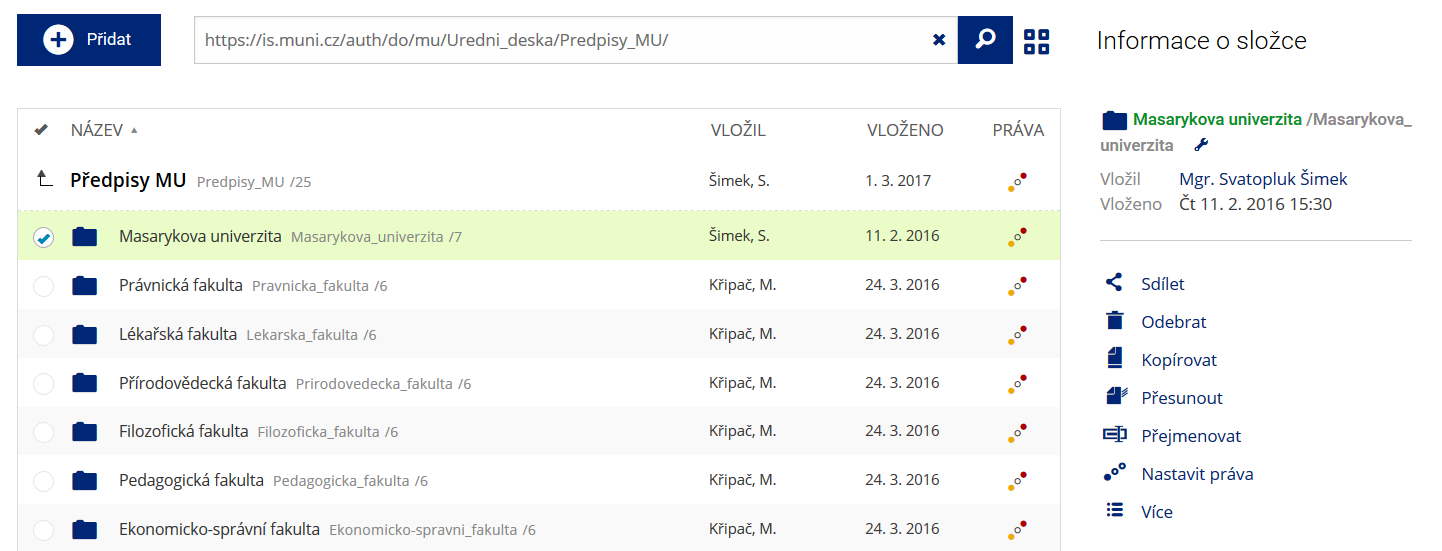 Podrobnosti lze zjistit označením příslušného řádku.
 -
Pohled pro experty
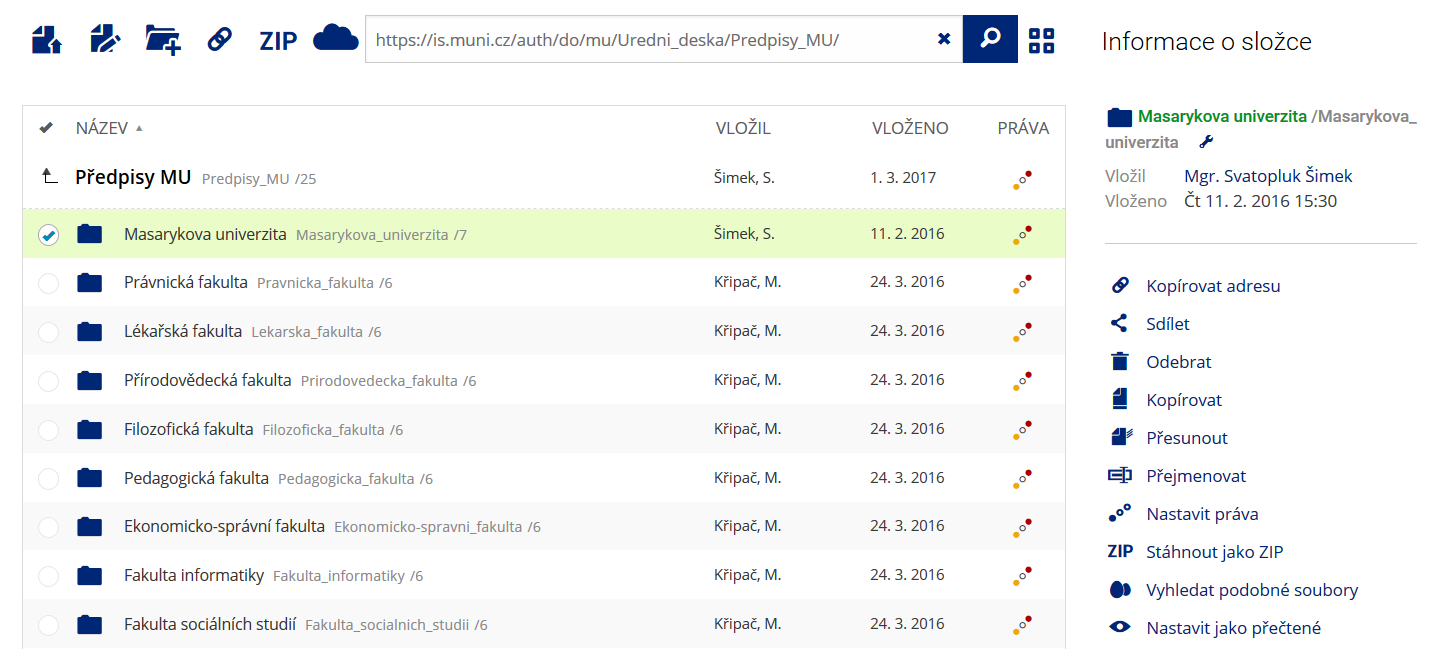 Pro častou práci je možné zvolit režim Více možností.
 -
Vyhledávání souborů
 Vyhledávaný výraz můžete zadat přímo do adresního řádku.
 -
Rychlý přístup k souborům
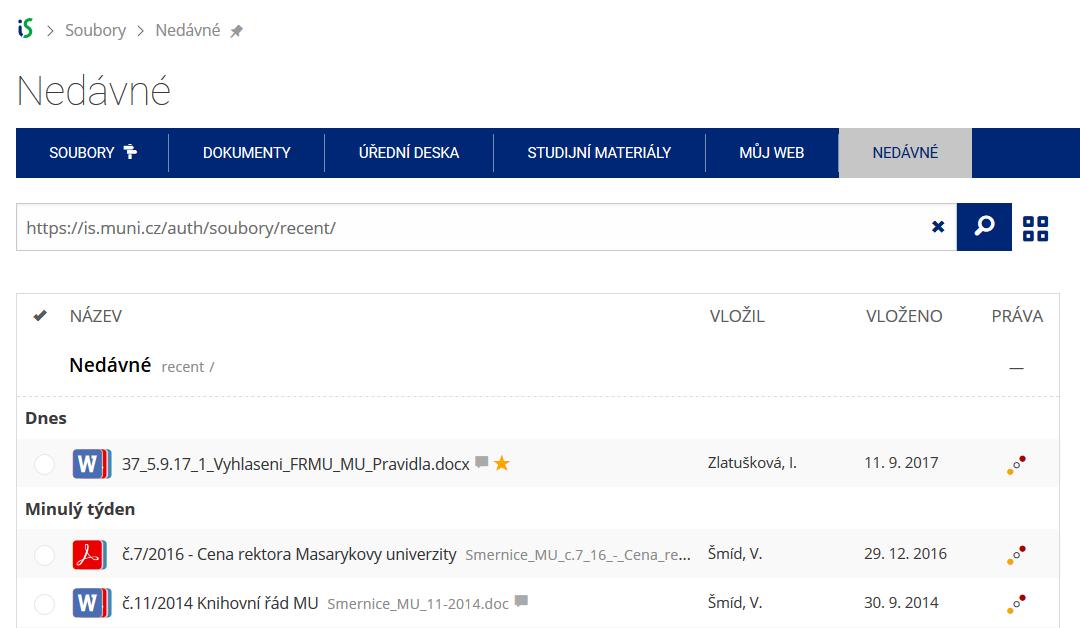 Pomocí funkce Nedávné je možné se rychle vrátit k právě prohlíženým souborům. Oblíbené soubory je také možné označit Hvězdičkou.