Anotace
In early 2019, the Swedish music streaming service Spotify
launched a media campaign against American tech giant Apple. In
line with the campaign’s slogan, “Time To Play Fair,” Spotify
is raising a series of accusations against Apple that center
around alleged tendencies to monopolize the music streaming
market. At the same time, Spotify lodged a complaint with the
European Commission (hereafter, the Commission) concerning
Apple’s potentially anticompetitive behavior. Spotify argues
that Apple uses the terms of conditions of the App Store to
impede upon the Swedish music streaming giant’s competitive
potential to the advantage of Apple’s own music streaming
service, Apple Music, by charging a 30% fee on Spotify
subscriptions purchased through the App Store and forbidding
Spotify to promote subscriptions to their service through other
channels. In August 2020, Epic Games filed a lawsuit against
Apple for similar reasons. One of the world’s largest game
developers, Epic Games offered a mobile version of their most
popular game, Fortnite, for free download through the App
Store. The game is financed through in-app purchases of digital
items, such as cosmetic character modifications. After Epic
Games introduced a payment method in their mobile version of
Fortnite, which bypassed payment through the App Store and was
instead processed directly through Epic Games, Apple removed
the app from the store. As a result, Epic Games sued Apple in
the United States, arguing that the amount of time users spend
on Fortnite on iOS devices had dropped by more than 60%. In
December of that year, Cydia (an alternative app store for
software-modified iPhones and iPads) also filed a lawsuit
against Apple, alleging that the tech giant abused their
dominance over iOS app distribution by using anti-competitive
tactics to freeze out alternative app stores from the company’s
operating system. Apple’s terms and conditions do not allow
third-party app stores to be downloaded from the App Store
itself, citing security concerns. Cydia, to date, works only on
devices that have been jailbroken — a form of software
modification that is counteracted by operating system updates
and requires some expertise to install. The amplification of
lawsuits targeting Apple’s conduct in the app economy indicates
an emerging pattern of resistance against the tech giant’s hold
over this section of the industry. While the aforementioned
investigations in the US and the EU have yet to be concluded,
on
December 15, 2020, the EU Commissioner for Competition,
Margarethe Vestager, introduced the Digital Markets Act (DMA),
which touches upon the exact issue at stake. The DMA’s proposal
complements the EU’s digital antitrust regime with a set of
ex-ante provisions for very large online platforms, so-called
gatekeepers. Among other provisions, the DMA would require
Apple to allow third-party apps and app stores to be sideloaded
(downloading an app from the web or transferring it from the PC
on the mobile phone without using an app store) onto the device
(Article 6c DMA). Advocates of the proposal argue that app
downloads that do not run through Apple’s servers, along with
the availability of alternative app stores, would erode the
dominant position of the App Store and thereby set prices and
spur innovative competition from which the end user could
benefit. Developers could then evade the 30% commission fee
that Apple collects for providing a spot on the App Store and
for handling inapp purchases. Additionally, consumers would
have greater freedom to choose where, when, and how they
purchase apps: more competition, choice, innovation, and
quality. However, it remains unclear whether Apple users would
actually adopt alternative means to download and whether new
alternatives to the App Store would actually be utilized. A
report by the Directorate General for Connected Networks,
Content, and Technology (DG CNECT) and the EU’s Joint Research
Centre (JRC) have remarked that because of network effects
around dominant app stores, the results of the DMA’s provisions
could be limited (Cabral et al., 2021). Network effects refer
to the added value a user of a platform receives when another
user from the same or other side of a market joins. In app
stores, consumers benefit from an increasing number of
developers in the market because they provide a growing
selection of apps and stimulate competition. Similarly,
developers benefit from more users who could potentially buy
their apps. In theory, these network effects lead to high
barriers to entry for alternative app stores and diminish
competitors’ ability to scale. Considering the economic
literature on the characteristics unique to digital markets,
such as network effects, lock-in, and economies of scale, an
actual switch of consumers to alternative distribution channels
is questionable. Evidence from behavioral economics casts
further doubt on the hopes of the advocates of the DMA. For
example, the status-quo bias refers to the emotional preference
for the status quo. Empirically proven again and again, the
theory implies for Apple that as long as it ships its iPhones
and iPads with the App Store preinstalled, theirs will remain
the standard app store. Building upon previously published
literature, this thesis seeks to answer the question of whether
Article 6c DMA can create a more competitive and fairer
environment for app
developers by encouraging European Apple users to employ
distribution channels other than the App Store and thereby
counter market forces such as network effects. Because users of
the Android operating system can already make use of
alternative app stores and payment options, Android’s own app
store, the Play Store serves as a well-suited case study to
predict whether Apple users will actually adopt alternatives to
the App Store. Based on the literature review, I argue that
even if Apple opens up its operating system, the network
effects and status-quo bias will prevent Apple users from
switching. With a survey among Android users from the European
Economic Area, I test whether network effects in the mobile
operating systems are in fact strong enough to prevent mobile
phone and tablet users from seeking alternative app
distribution systems. The results and empirical knowledge
generated are used to evaluate the theoretical assumptions. The
theoretical framework provides the reader an overview of the
distinct characteristics of digital markets and app stores.
After establishing that the two dominant app stores, Google’s
Play Store and Apple’s App Store, are two-sided markets with
strong indirect network effects, special attention will be paid
to the closely interlinked concepts of network effects,
status-quo bias and consumer lock-in. The theoretical framework
allows us to assume that because of strong network effects,
mobile phone users stick to the dominant app store even if
alternatives exist. After elaborating on potential barriers to
store-switching or resorting to sideloading in the theoretical
chapter of the thesis, the empirical chapter analyzes the
actual switching behavior. Since Android users can already use
alternative app stores, Google’s Play Store is treated as a
case study on which to base expectations of how the dynamics in
the Apple ecosystem may change after the DMA comes into force.
At first sight, alternative app stores on Android OS seem to be
underrepresented because most apps are exclusively distributed
through the Play Store. However, no study in this field
provides clear data the extent to which users of the Android
operating system employ alternative means of download. With the
help of a survey conducted among Android users, their download
behavior will be analyzed; the survey asked 249 Android users
whether they had installed apps through sideloading, a practice
referring to the installation of apps downloaded from websites
other than the Play Store or transferred from the PC onto the
device. Respondents were prompted to explain why they had or
had not practiced sideloading. A subsequent question probed
Android users’ engagement with alternative app stores. While a
number of alternatives to the Play Store exist, a gap in the
research remains concerning the extent to which Android users
actually apply these options.
As such, survey respondents were asked to specify why or why
not they have made use of alternative app stores. With its
survey of the determinants of Android users’ acceptance of
alternative app stores and other means of app download, this
thesis provides a first assessment of the potential impact of
the expected regulatory change of the DMA for Apple users. This
assessment offers an important insight as to whether “business
users who depend on gatekeepers to offer their services in the
single market” will indeed “have a fairer business
environment”, as the Commission (2020) states, or whether the
proposal will benefit only a small number of app developers
that already enjoy an entrenched position in the market. …víceméně
Abstract
In early 2019, the Swedish music streaming service Spotify
launched a media campaign against American tech giant Apple. In
line with the campaign’s slogan, “Time To Play Fair,” Spotify
is raising a series of accusations against Apple that center
around alleged tendencies to monopolize the music streaming
market. At the same time, Spotify lodged a complaint with the
European Commission (hereafter, the Commission) concerning
Apple’s potentially anticompetitive behavior. Spotify argues
that Apple uses the terms of conditions of the App Store to
impede upon the Swedish music streaming giant’s competitive
potential to the advantage of Apple’s own music streaming
service, Apple Music, by charging a 30% fee on Spotify
subscriptions purchased through the App Store and forbidding
Spotify to promote subscriptions to their service through other
channels. In August 2020, Epic Games filed a lawsuit against
Apple for similar reasons. One of the world’s largest game
developers, Epic Games offered a mobile version of their most
popular game, Fortnite, for free download through the App
Store. The game is financed through in-app purchases of digital
items, such as cosmetic character modifications. After Epic
Games introduced a payment method in their mobile version of
Fortnite, which bypassed payment through the App Store and was
instead processed directly through Epic Games, Apple removed
the app from the store. As a result, Epic Games sued Apple in
the United States, arguing that the amount of time users spend
on Fortnite on iOS devices had dropped by more than 60%. In
December of that year, Cydia (an alternative app store for
software-modified iPhones and iPads) also filed a lawsuit
against Apple, alleging that the tech giant abused their
dominance over iOS app distribution by using anti-competitive
tactics to freeze out alternative app stores from the company’s
operating system. Apple’s terms and conditions do not allow
third-party app stores to be downloaded from the App Store
itself, citing security concerns. Cydia, to date, works only on
devices that have been jailbroken — a form of software
modification that is counteracted by operating system updates
and requires some expertise to install. The amplification of
lawsuits targeting Apple’s conduct in the app economy indicates
an emerging pattern of resistance against the tech giant’s hold
over this section of the industry. While the aforementioned
investigations in the US and the EU have yet to be concluded,
on
December 15, 2020, the EU Commissioner for Competition,
Margarethe Vestager, introduced the Digital Markets Act (DMA),
which touches upon the exact issue at stake. The DMA’s proposal
complements the EU’s digital antitrust regime with a set of
ex-ante provisions for very large online platforms, so-called
gatekeepers. Among other provisions, the DMA would require
Apple to allow third-party apps and app stores to be sideloaded
(downloading an app from the web or transferring it from the PC
on the mobile phone without using an app store) onto the device
(Article 6c DMA). Advocates of the proposal argue that app
downloads that do not run through Apple’s servers, along with
the availability of alternative app stores, would erode the
dominant position of the App Store and thereby set prices and
spur innovative competition from which the end user could
benefit. Developers could then evade the 30% commission fee
that Apple collects for providing a spot on the App Store and
for handling inapp purchases. Additionally, consumers would
have greater freedom to choose where, when, and how they
purchase apps: more competition, choice, innovation, and
quality. However, it remains unclear whether Apple users would
actually adopt alternative means to download and whether new
alternatives to the App Store would actually be utilized. A
report by the Directorate General for Connected Networks,
Content, and Technology (DG CNECT) and the EU’s Joint Research
Centre (JRC) have remarked that because of network effects
around dominant app stores, the results of the DMA’s provisions
could be limited (Cabral et al., 2021). Network effects refer
to the added value a user of a platform receives when another
user from the same or other side of a market joins. In app
stores, consumers benefit from an increasing number of
developers in the market because they provide a growing
selection of apps and stimulate competition. Similarly,
developers benefit from more users who could potentially buy
their apps. In theory, these network effects lead to high
barriers to entry for alternative app stores and diminish
competitors’ ability to scale. Considering the economic
literature on the characteristics unique to digital markets,
such as network effects, lock-in, and economies of scale, an
actual switch of consumers to alternative distribution channels
is questionable. Evidence from behavioral economics casts
further doubt on the hopes of the advocates of the DMA. For
example, the status-quo bias refers to the emotional preference
for the status quo. Empirically proven again and again, the
theory implies for Apple that as long as it ships its iPhones
and iPads with the App Store preinstalled, theirs will remain
the standard app store. Building upon previously published
literature, this thesis seeks to answer the question of whether
Article 6c DMA can create a more competitive and fairer
environment for app
developers by encouraging European Apple users to employ
distribution channels other than the App Store and thereby
counter market forces such as network effects. Because users of
the Android operating system can already make use of
alternative app stores and payment options, Android’s own app
store, the Play Store serves as a well-suited case study to
predict whether Apple users will actually adopt alternatives to
the App Store. Based on the literature review, I argue that
even if Apple opens up its operating system, the network
effects and status-quo bias will prevent Apple users from
switching. With a survey among Android users from the European
Economic Area, I test whether network effects in the mobile
operating systems are in fact strong enough to prevent mobile
phone and tablet users from seeking alternative app
distribution systems. The results and empirical knowledge
generated are used to evaluate the theoretical assumptions. The
theoretical framework provides the reader an overview of the
distinct characteristics of digital markets and app stores.
After establishing that the two dominant app stores, Google’s
Play Store and Apple’s App Store, are two-sided markets with
strong indirect network effects, special attention will be paid
to the closely interlinked concepts of network effects,
status-quo bias and consumer lock-in. The theoretical framework
allows us to assume that because of strong network effects,
mobile phone users stick to the dominant app store even if
alternatives exist. After elaborating on potential barriers to
store-switching or resorting to sideloading in the theoretical
chapter of the thesis, the empirical chapter analyzes the
actual switching behavior. Since Android users can already use
alternative app stores, Google’s Play Store is treated as a
case study on which to base expectations of how the dynamics in
the Apple ecosystem may change after the DMA comes into force.
At first sight, alternative app stores on Android OS seem to be
underrepresented because most apps are exclusively distributed
through the Play Store. However, no study in this field
provides clear data the extent to which users of the Android
operating system employ alternative means of download. With the
help of a survey conducted among Android users, their download
behavior will be analyzed; the survey asked 249 Android users
whether they had installed apps through sideloading, a practice
referring to the installation of apps downloaded from websites
other than the Play Store or transferred from the PC onto the
device. Respondents were prompted to explain why they had or
had not practiced sideloading. A subsequent question probed
Android users’ engagement with alternative app stores. While a
number of alternatives to the Play Store exist, a gap in the
research remains concerning the extent to which Android users
actually apply these options.
As such, survey respondents were asked to specify why or why
not they have made use of alternative app stores. With its
survey of the determinants of Android users’ acceptance of
alternative app stores and other means of app download, this
thesis provides a first assessment of the potential impact of
the expected regulatory change of the DMA for Apple users. This
assessment offers an important insight as to whether “business
users who depend on gatekeepers to offer their services in the
single market” will indeed “have a fairer business
environment”, as the Commission (2020) states, or whether the
proposal will benefit only a small number of app developers
that already enjoy an entrenched position in the market. …víceméně
 angličtina
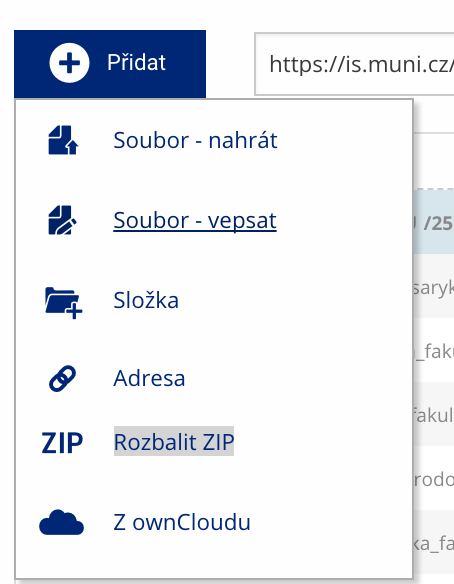 Soubor nebo složku lze nahrát pomocí tlačítka Přidat.
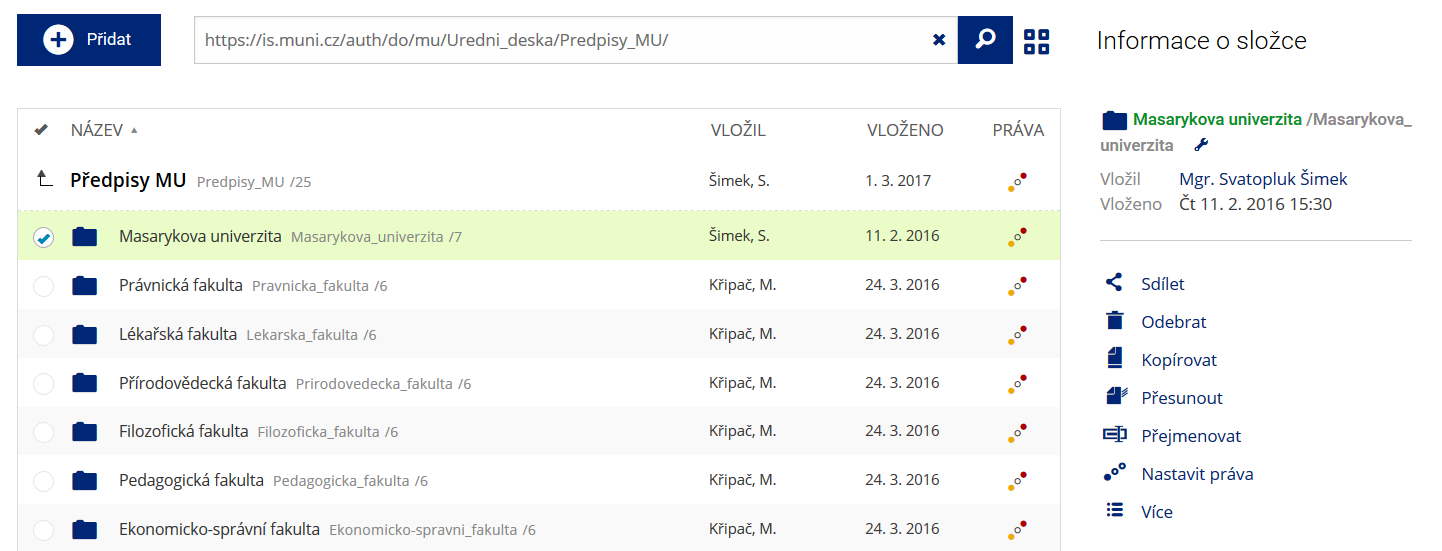 Podrobnosti lze zjistit označením příslušného řádku.
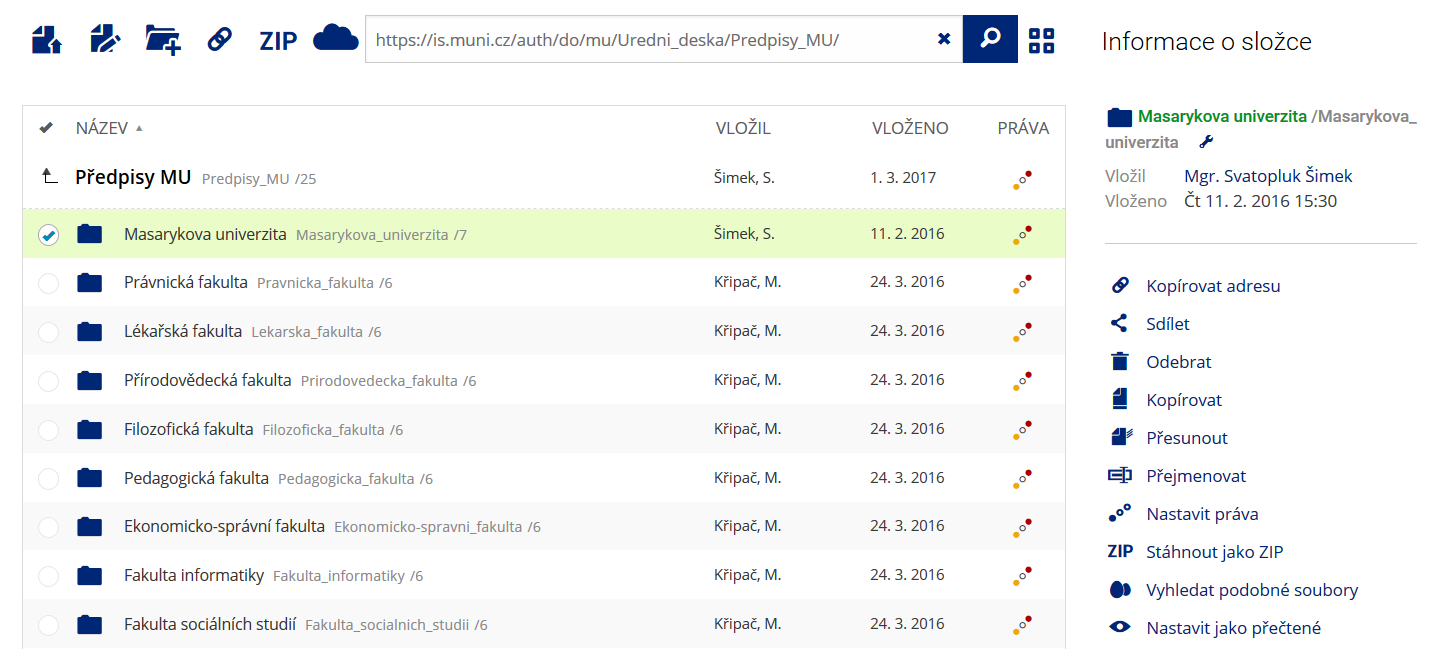 Pro častou práci je možné zvolit režim Více možností.
 Vyhledávaný výraz můžete zadat přímo do adresního řádku.
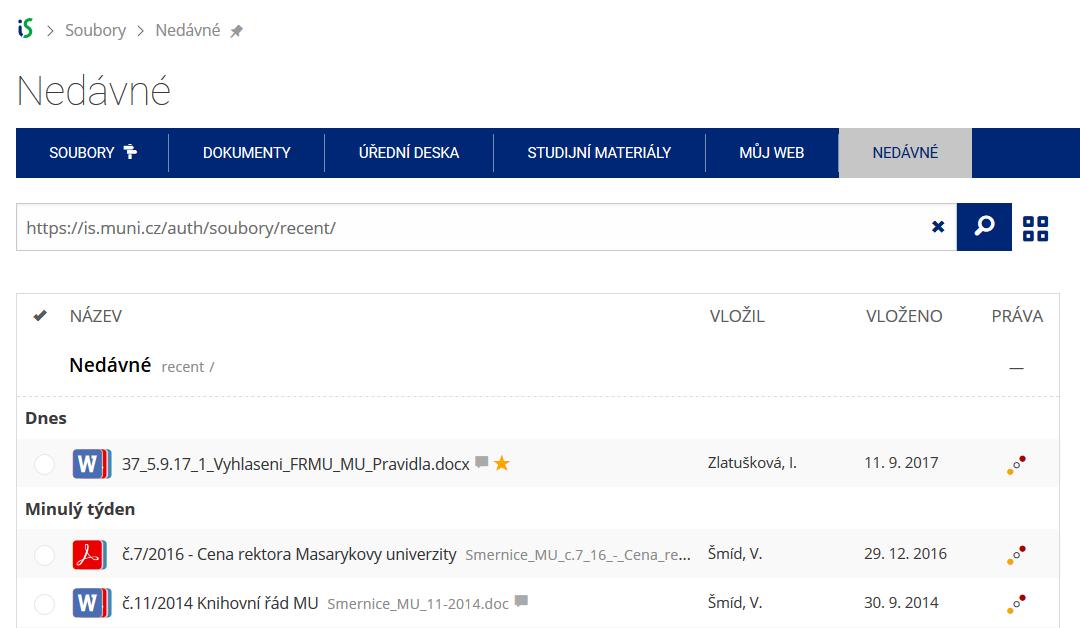 Pomocí funkce Nedávné je možné se rychle vrátit k právě prohlíženým souborům. Oblíbené soubory je také možné označit Hvězdičkou.