Závěrečná práce: Alexandra Košťálová: Výzkum vývoje narativní kompetence
Bakalářská práce
Výzkum vývoje narativní kompetence
Research on the development of narrative competence in children of younger school age.
Anotace
Táto práca sa zaoberá výskumom vývoja naratívnej kompetencie u detí mladšieho školského veku. Teoretická časť práce je venovaná definícii naratívnej kompetencie, vývoju jazykových schopností a ich významu pre vývoj naratívnej kompetencie, popisu a charakteristike dieťaťa mladšieho školského veku a v závere tejto časti je bližšie definovaná rozprávka a jej význam pri utváraní reči. Cieľom praktickej …více
Abstract
This work deals with the research of the development of narrative competence in children of younger school age. The theoretical part is devoted to the definition of narrative competence, the development of language skills and their importance for the development of narrative competence, the description and characteristics of the child of the younger school age and at the end of this part is definition …více
Zadání práce
21. 5. 2018 07:21, Mgr. Jan Krása, Ph.D., učo 12516
 slovenština
Práce na příbuzné téma
Seznam prací, které mají shodná klíčová slova.
-
Dítě s opožděným vývojem řeči
Bc. Zuzana Sahulová -
Analýza komunikačních schopností dětí v dětském domově
Mgr. Julie Lukašíková -
Analýza jazykových rovin předškoláků v běžné mateřské škole
Mgr. Zuzana Lindovská -
Analýza komunikačních schopností dětí předškolního věku
Mgr. et Mgr. Monika Sládková -
Rozvoj komunikační schopnosti dětí v mateřské škole
Bc. et Bc. Leona Brunclíková -
Rozvoj komunikačních schopností u dětí z dětského domova
Mgr. Martina Nobilisová -
Analýza lexikálně-sémantické jazykové roviny u intaktního dítěte předškolního věku
Bc. Martina Zajícová, učo 324633 -
Rozvoj schopností dítěte v předškolním věku
Bc. Barbora Dostálová
Složky
Soubory
-
Přidání souboru
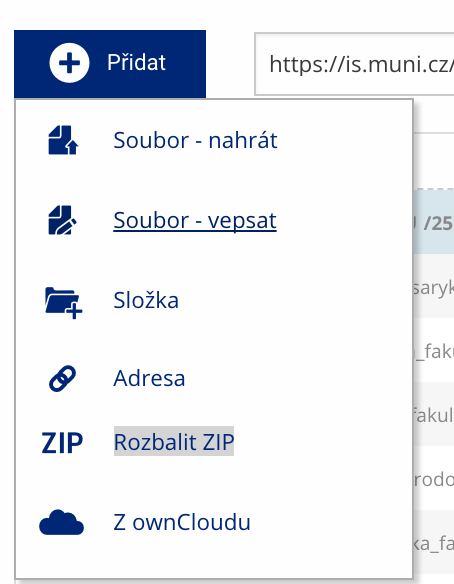 Soubor nebo složku lze nahrát pomocí tlačítka Přidat.
 -
Další operace se soubory
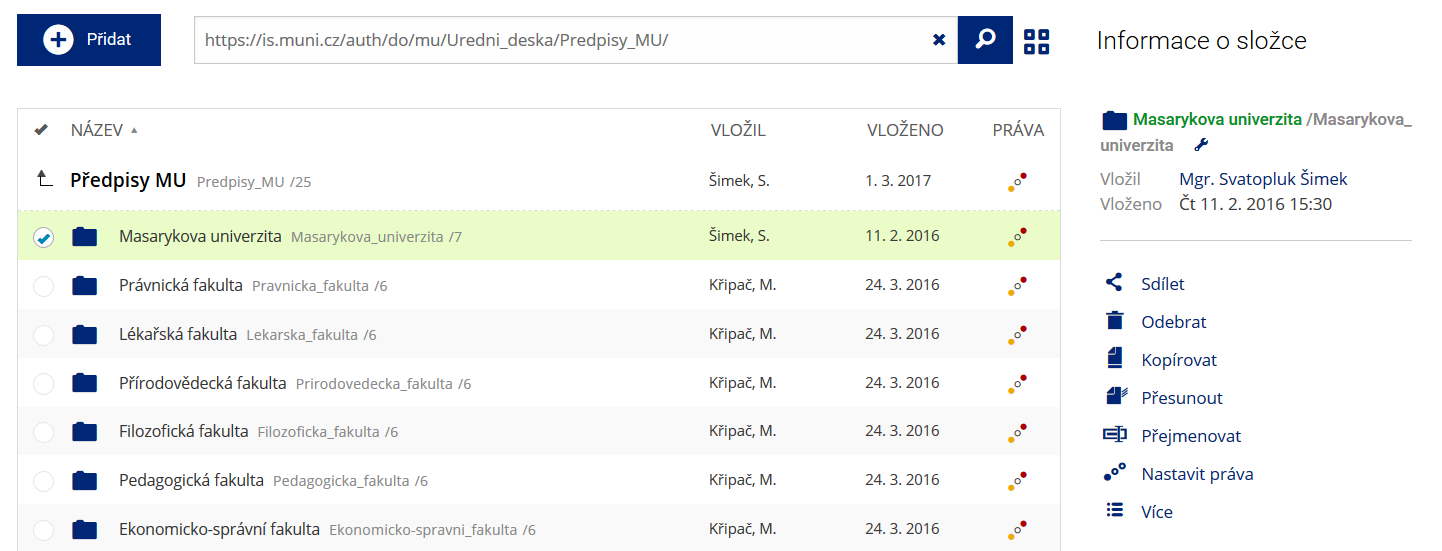 Podrobnosti lze zjistit označením příslušného řádku.
 -
Pohled pro experty
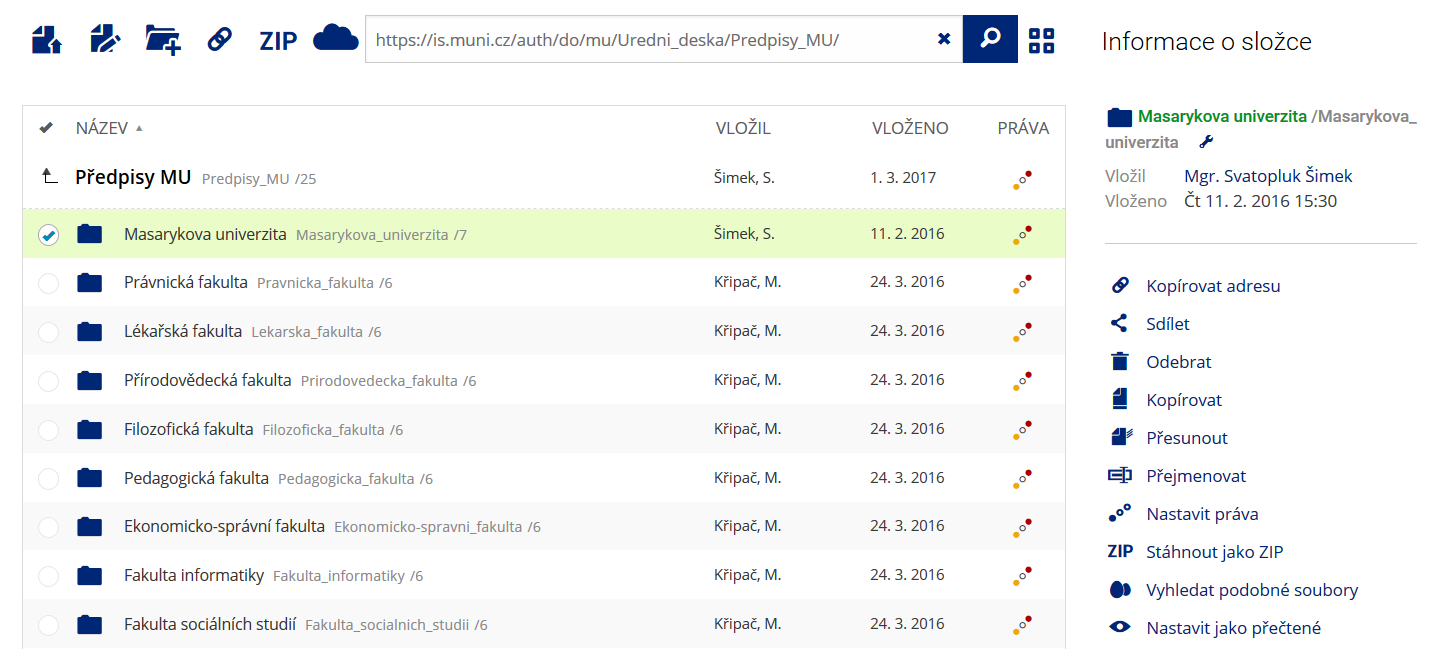 Pro častou práci je možné zvolit režim Více možností.
 -
Vyhledávání souborů
 Vyhledávaný výraz můžete zadat přímo do adresního řádku.
 -
Rychlý přístup k souborům
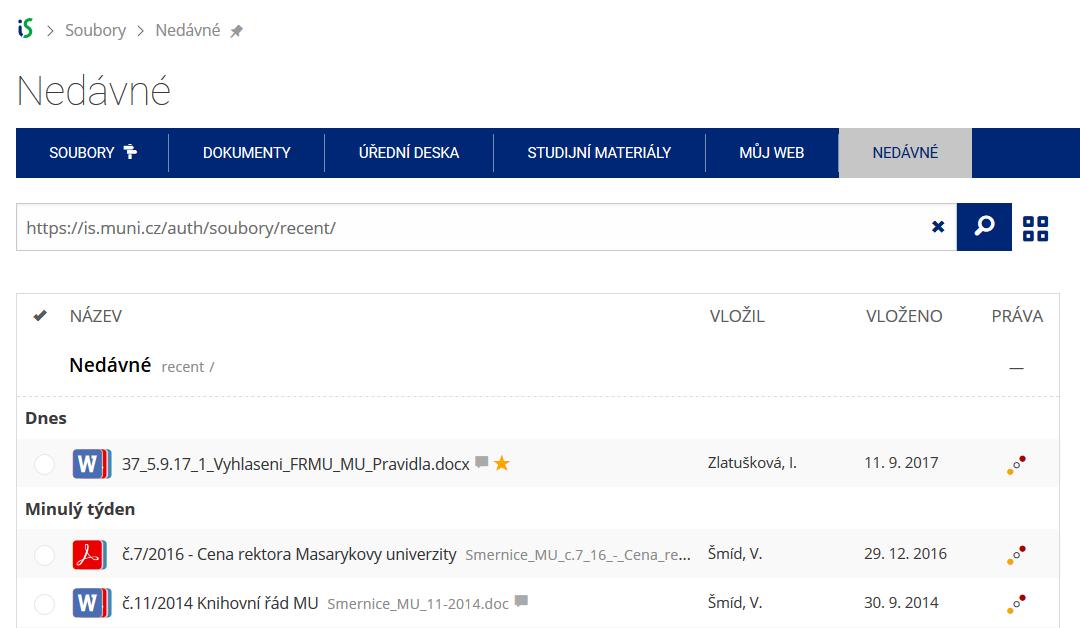 Pomocí funkce Nedávné je možné se rychle vrátit k právě prohlíženým souborům. Oblíbené soubory je také možné označit Hvězdičkou.