Závěrečná práce: Zuzana Dendysová, učo 496852: Fake News and Its Perception among EU Citizens
Bakalářská práce
Fake News and Its Perception among EU Citizens
Anotace
Zprávy z médií z posledních let ukazují, že problému fake news věnují pozornost jak komentátoři a analytici, tak vědecká komunita. Období pandemie COVID-19 ukázalo, že fake news mohou mít zcela zásadní dopad na společnost. Jak ale fake news vnímají běžní občané EU? Souvisí to vnímání s nějakými individuálními vlastnostmi? Změnil se během pandemie koronaviru pohled veřejnosti na toto téma? Tato bakalářská …více
Abstract
Media reports in recent years show that the problem of fake news is receiving attention from commentators and analysts as well as the scientific community. The period of the COVID-19 pandemic has shown that fake news can have a profound impact on society. But how do ordinary EU citizens perceive fake news? Is the perception related to any individual characteristics? Have the public's views on the topic …více
Zadání práce
13. 5. 2022 10:24, Zuzana Ringlerová, Ph.D., učo 102836
 angličtina
Práce na příbuzné téma
Seznam prací, které mají shodná klíčová slova.
-
Média, manipulace a umělá inteligence ve veřejném mínění
Mgr. Romana Foukalová -
Deepfakes a informační apokalypsa
Bc. Monika Zemanová -
Návrh únikové hry Trollí farma pro výuku občanské výchovy
Mgr. Lucie Mikušová -
Deepfakes aneb nový fenomén na poli problematiky tzv. fake news
Mgr. Šimon Gilar -
How to tackle disinformation pandemic: Design, realisation and evaluation of a media literacy university course
Mgr. Veronika Batelková, učo 459956 -
Edukace mediální gramotnosti u seniorů v programovém schématu České televize
Mgr. Monika Forethová -
Zlepšení schopnosti rozpoznat dezinformace aktivní inokulací: gamifikovaný přístup a jeho ověření na české populaci
Bc. Adéla Sodomová, učo 510949 -
Právní nástroje boje proti dezinformacím na internetu
Mgr. et Mgr. Tina Mizerová, učo 471315
Složky
Soubory
-
Přidání souboru
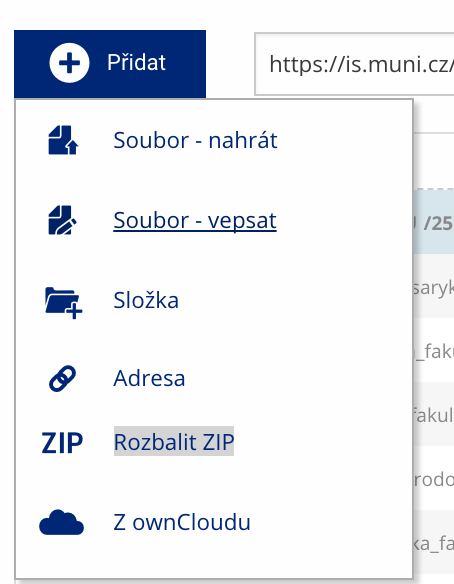 Soubor nebo složku lze nahrát pomocí tlačítka Přidat.
 -
Další operace se soubory
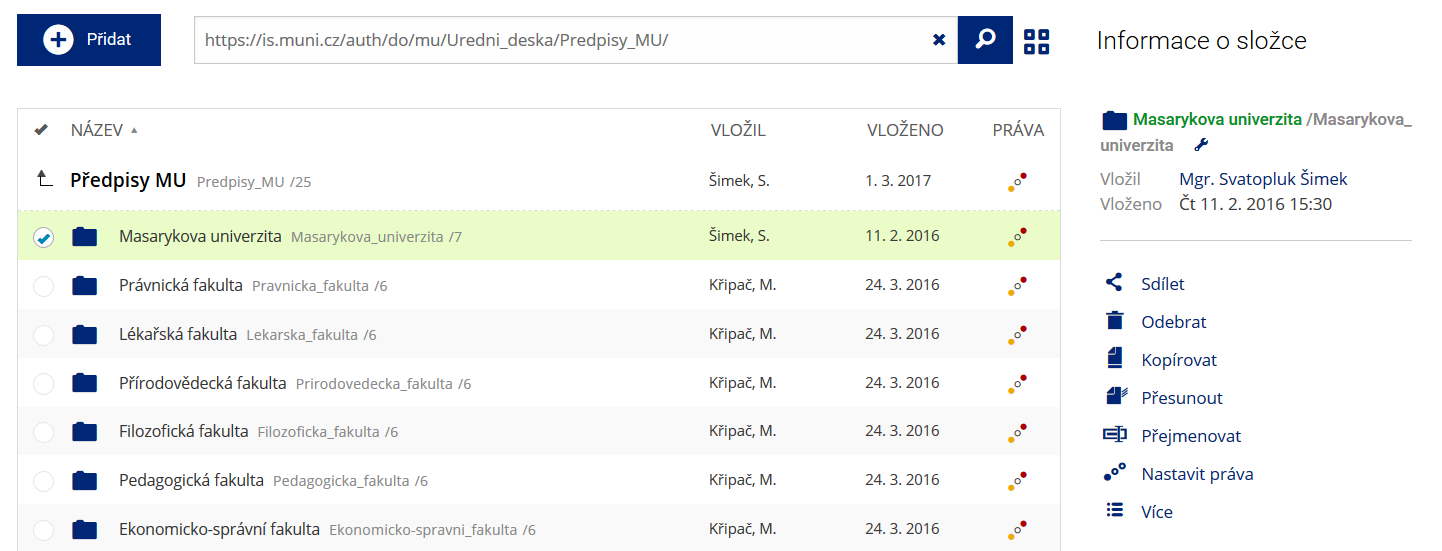 Podrobnosti lze zjistit označením příslušného řádku.
 -
Pohled pro experty
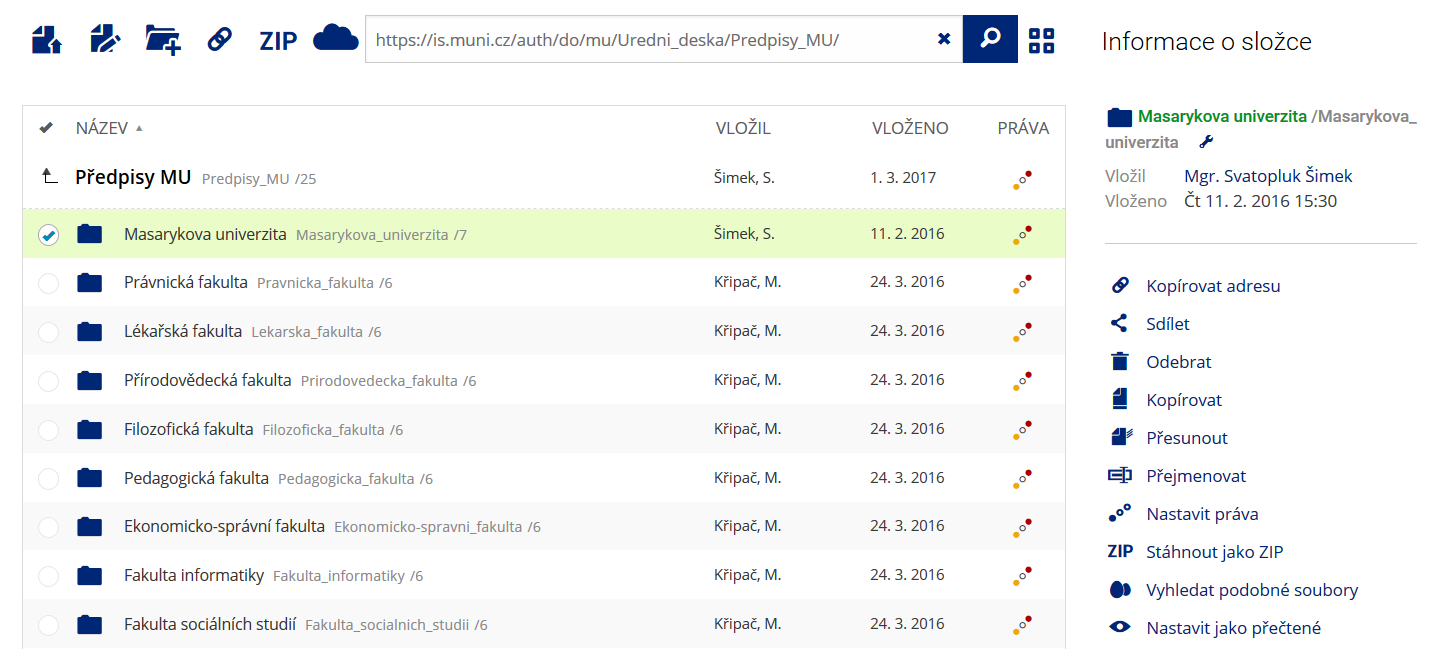 Pro častou práci je možné zvolit režim Více možností.
 -
Vyhledávání souborů
 Vyhledávaný výraz můžete zadat přímo do adresního řádku.
 -
Rychlý přístup k souborům
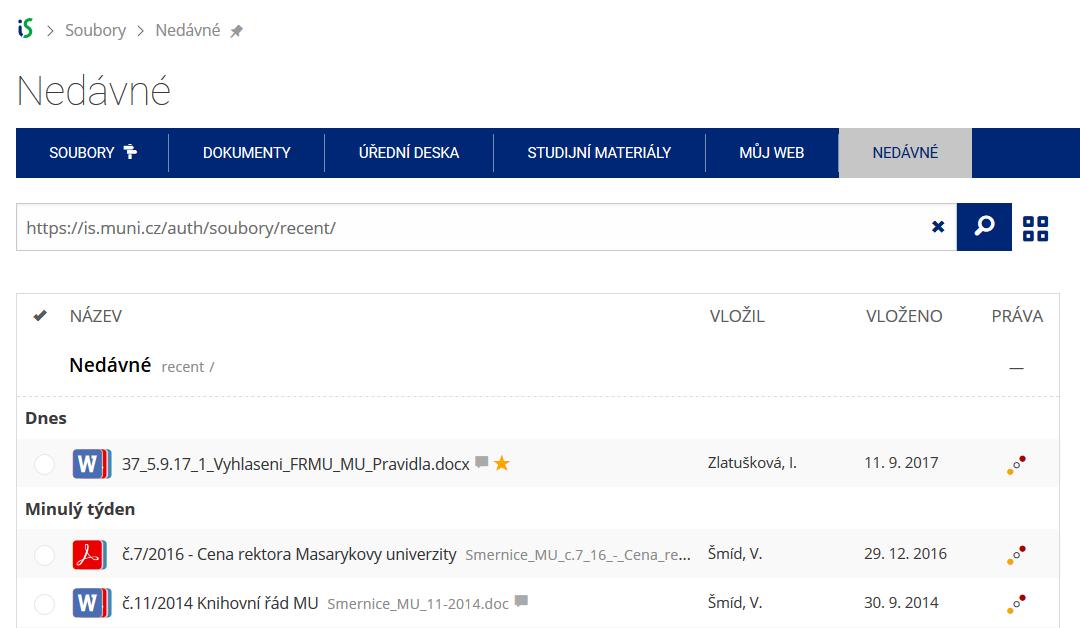 Pomocí funkce Nedávné je možné se rychle vrátit k právě prohlíženým souborům. Oblíbené soubory je také možné označit Hvězdičkou.