Závěrečná práce: Bc. David Myška: GPU acceleration of the biological macromolecules continuous heterogeneity analysis
Diplomová práce
GPU acceleration of the biological macromolecules continuous heterogeneity analysis
Anotace
Cílem této práce bylo akcelerovat algoritmus počítající vzdálenost mezi voxelovými poli, který je součástí nového, plně automatizovaného protokolu pro analýzu pohybu makromolekul. Akcelerovaná verze algoritmu využívá grafický procesor (GPU) pro zrychlení výpočtů. Takto zrychlený algoritmus dosahuje až 19.48krát lepšího výkonu, než paralelní CPU implementace využívající 24-jádrový procesor. Akcelerovaný algoritmus bude integrován do dalšího vydání programu Xmipp.
Abstract
The main goal of this thesis was to accelerate an algorithm computing a distance of a volume pair which is a part of a novel, fully automatic protocol analyzing continuous heterogeneity of macromolecules. The accelerated version of the algorithm utilizes a graphics processing unit (GPU) to speed up the computation. Compared to a parallel CPU implementation running on a 24-core CPU, the GPU-accelerated …více
Zadání práce
Xmipp is a software package for cryo-EM data reconstruction developed by CNB CSIC. GPU-accelerated versions of the hotspots in Xmipp are developed as a joint effort of ICS MUNI and CNB CSIC.
The novel protocol allows Xmipp to analyze the continuous heterogeneity of a specimen (typically a macromolecule), i.e., identify different conformers and transition states of the molecule. In its current implementation, the multi-core CPUs are utilized. The processing speed of the current implementation limits both practical usage of the protocol and its further improvements.
The master thesis will focus on GPU acceleration of the protocol for continuous heterogeneity analysis. The bottleneck of the protocol is a function computing displacement and rotation of a voxel field to match other voxel fields as close as possible (the voxel fields represent a 3D structure of the molecule). The student will implement and optimize the CUDA kernel, which replaces the function's CPU implementation and integrates this kernel into Xmipp. The master thesis will evaluate the original CPU-based implementation, the new GPU-based implementation, and proposed optimizations of the GPU-based implementation.
19. 5. 2021 09:03, doc. RNDr. Jiří Filipovič, Ph.D., učo 72898
- Zadáno/změněno 25. 6. 2021 14:22, Helena Kryštofová
- Záznam založen 29. 4. 2021 13:31, Jana Zemanová, učo 9619
- Zveřejnit od 18. 5. 2021 12:09, Alena Dvořáková
- Práce převzata 18. 5. 2021 12:09, Alena Dvořáková
 angličtina
Práce na příbuzné téma
Seznam prací, které mají shodná klíčová slova.
-
GPU acceleration of the continuous heterogeneity analysis in Xmipp
Mgr. Dávid Šutor -
Dynamic autotuning of SpMV kernel in CUSP library
Mgr. Miroslav Demek -
Using LLM to optimize a GPU-accelerated code
Bc. Lukáš Dadák -
GPU akcelerace extrakce řezu z voxelového pole
Mgr. Filip Čáp -
Research of Fedora Status for Machine Learning
Mgr. Dominik Tuchyňa -
GPU acceleration of matrix factorization
Bc. et Bc. Jan Priessnitz, učo 469321 -
GPU acceleration of the continuous heterogeneity analysis in Xmipp
Ing. Jakub Kiska -
GPU akcelerace spojitého zpřesňování natočení obrázků v Xmipp
Mgr. Martin Pernica
Složky
Soubory
-
Přidání souboru
 Soubor nebo složku lze nahrát pomocí tlačítka Přidat.
 -
Další operace se soubory
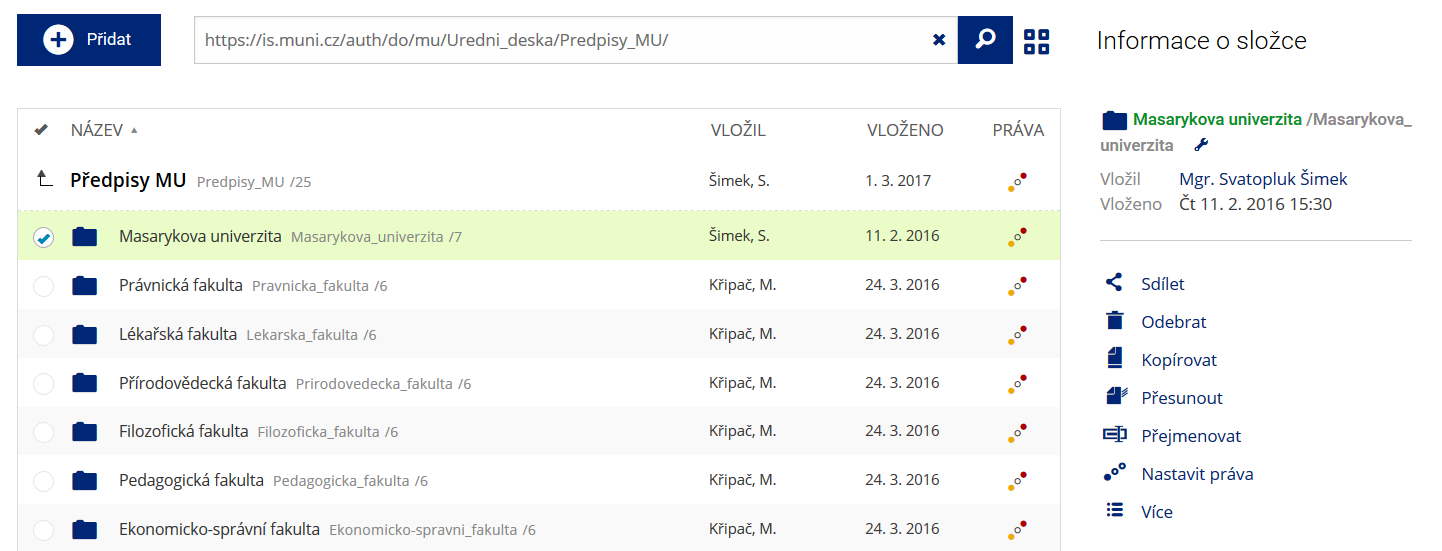 Podrobnosti lze zjistit označením příslušného řádku.
 -
Pohled pro experty
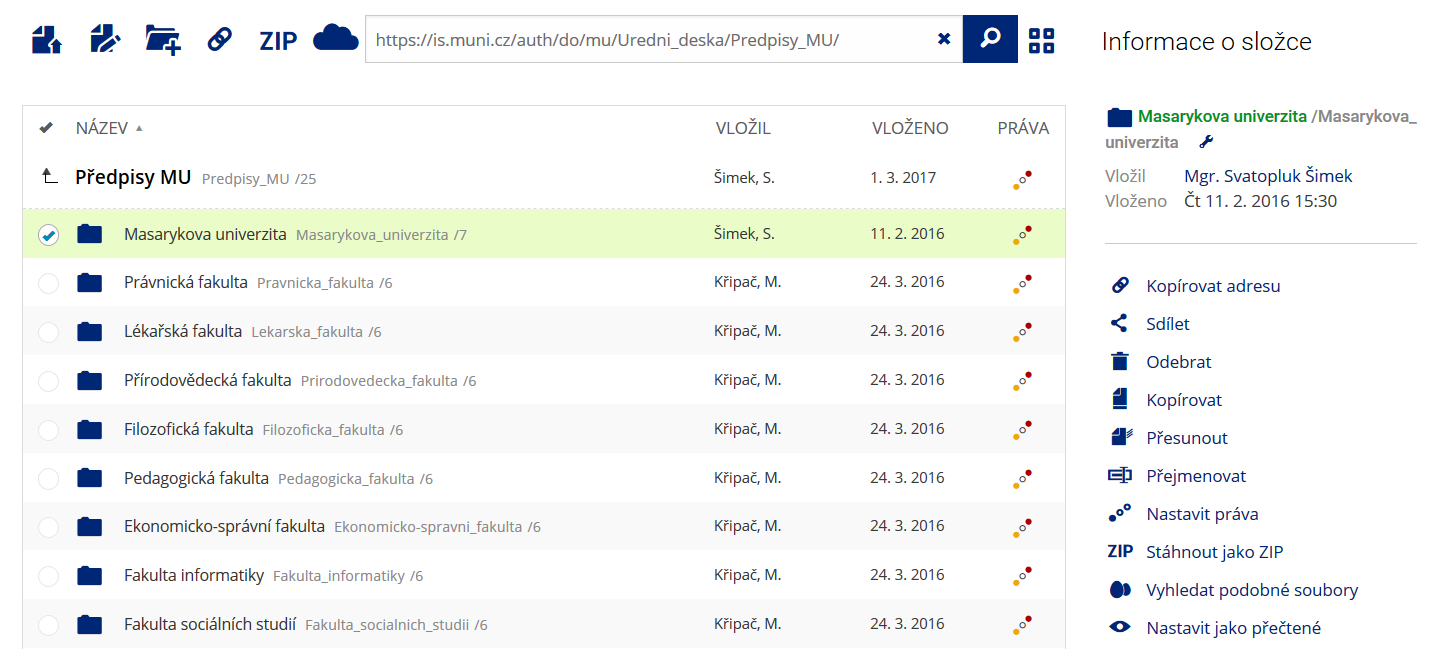 Pro častou práci je možné zvolit režim Více možností.
 -
Vyhledávání souborů
 Vyhledávaný výraz můžete zadat přímo do adresního řádku.
 -
Rychlý přístup k souborům
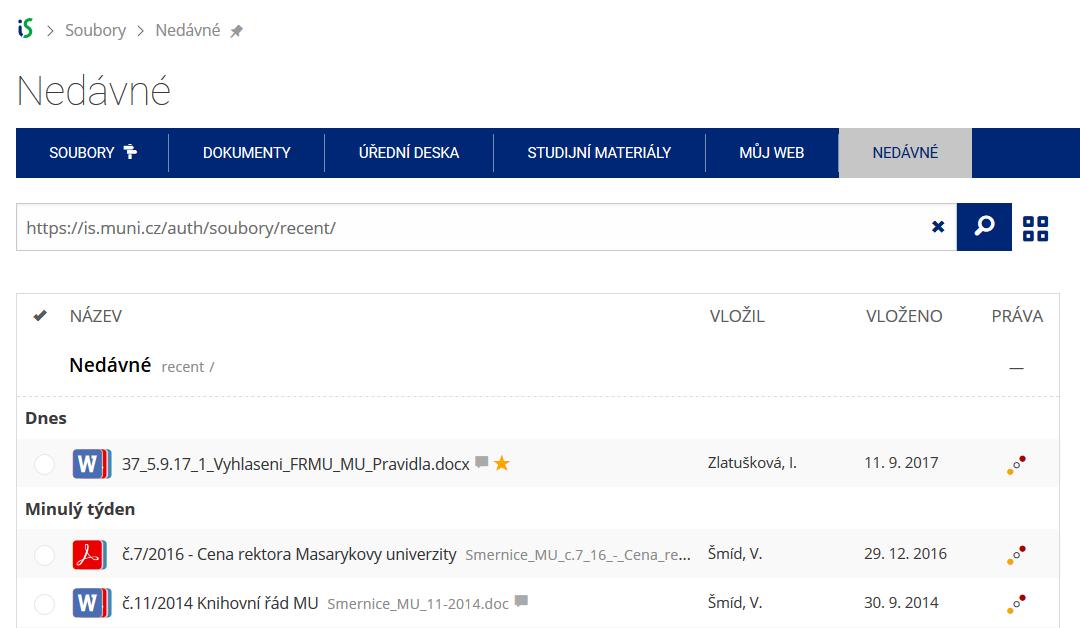 Pomocí funkce Nedávné je možné se rychle vrátit k právě prohlíženým souborům. Oblíbené soubory je také možné označit Hvězdičkou.