Závěrečná práce: Bc. Jakub Macošek: Strukturní studie CTD-interakční domény RPRD2
Diplomová práce
Strukturní studie CTD-interakční domény RPRD2
Structural study of RPRD2 CTD-interacting domain
Anotace
RNA polymeráza II (RNAPII) je nejen enzym přepisující kódující geny a geny pro některá mála nekodující RNA, ale také pojí transkripci se zpracováním RNA a RNA degradací, a to prostřednictvím Carboxy-terminální domény (CTD) své největší podjednotky. CTD se skládá z mnoha tandemových repetic konsenzní sekvence Y1-S2-P3-T4-S5-P6-S7 a během transkripce podléhá mnoha různýmposttranslačním modifikacím …více
Abstract
RNA polymerase II (RNAPII) is the enzyme responsible for transcription of protein coding and some small non-coding RNA. In addition, RNAPII also couples transcription withRNAprocessing and degradation via the Carboxy-terminal domain (CTD) of the largest subunit of RNAPII. The CTD consists of multiple repeats with the consensus sequence Y1-S2-P3-T4-S5-P6-S7. During transcription cycle, the CTD undergoes …více
Klíčová slova
RNA polymerase II RNAPII C-terminal domain CTD CTD-interacting domain Regulation of nuclear premRNA domain-containing protein 2 RPRD2 fluorescence anisotropy FA nuclear magnetic resonance NMR transcription protein-protein interactions RNA polymeráza II C-terminální doména CTD-interakční doména fluorescenční anisotropie nukleární magnetická rezonance transkripce protein-proteinové interakceZadání práce
25. 5. 2015 10:15, prof. Mgr. Richard Štefl, Ph.D., učo 19362
 angličtina
Konzultant
abs PřF MU
Práce na příbuzné téma
Seznam prací, které mají shodná klíčová slova.
-
Příprava multiproteinových komplexů mezi CTD a CID pro měření pomocí SAXS
Mgr. Jakub Macošek -
Roles of CDK11 in regulation of gene expression
Mgr. Milan Hluchý, Ph.D., učo 357323 -
The RNA Polymerase II C-terminal domain: Condensation and interaction hub in transcription
Mgr. Kateřina Linhartová, Ph.D. -
Structural and functional characterization of the interaction between RNA polymerase II and the BRCA1-BARD1 complex
Mgr. Veronika Klápšťová, Ph.D. -
Regulace terminace transkripce
Mgr. Anna Rožková -
Charakterizace mechanismů regulujících transkripční elongaci a terminaci
Mgr. Anna Rožková -
Strukturní charakterizace proteinů interagujících s vnitřně neuspořádaným mykobakteriálním iniciačním faktorem transkripce Sigma-A a mikrotubulární vazebnou bílkovinou 2c
Subhash Narasimhan, Ph.D. -
Studium CTD-domény RNA polymerázy II pomocí pokročilých NMR metod
Mgr. Ing. Barbora Farkasová
Složky
Soubory
-
Přidání souboru
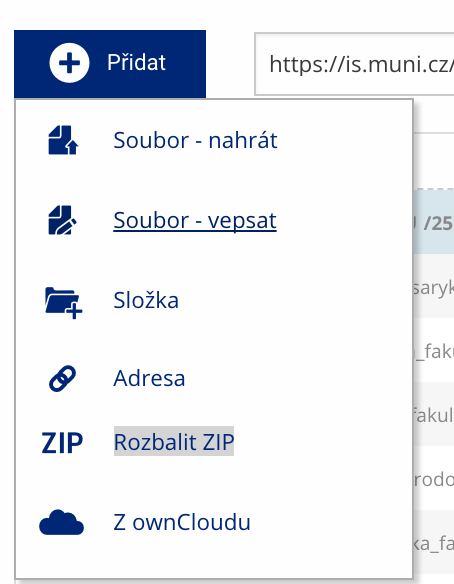 Soubor nebo složku lze nahrát pomocí tlačítka Přidat.
 -
Další operace se soubory
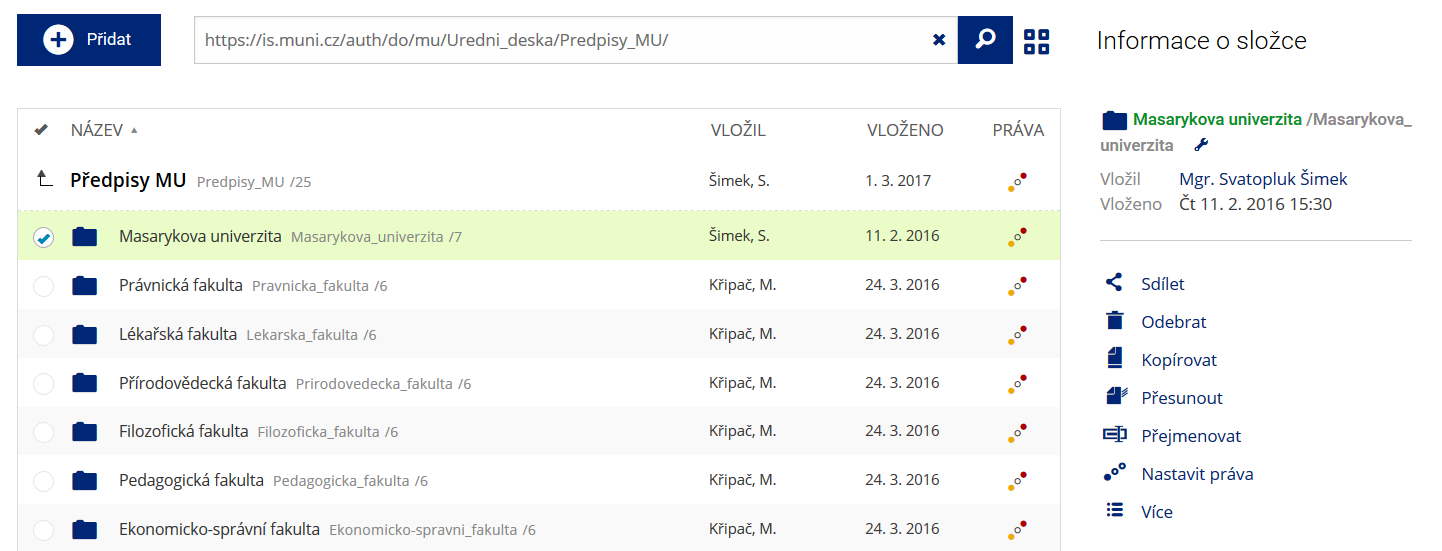 Podrobnosti lze zjistit označením příslušného řádku.
 -
Pohled pro experty
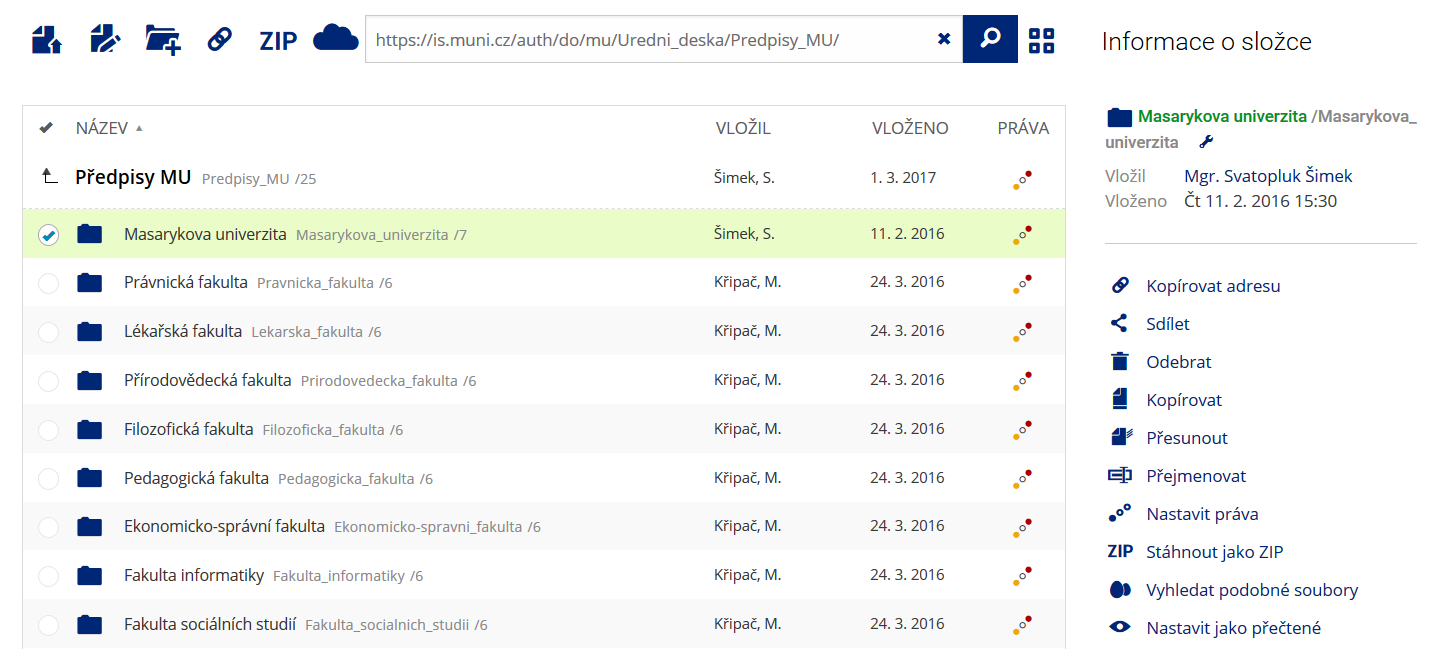 Pro častou práci je možné zvolit režim Více možností.
 -
Vyhledávání souborů
 Vyhledávaný výraz můžete zadat přímo do adresního řádku.
 -
Rychlý přístup k souborům
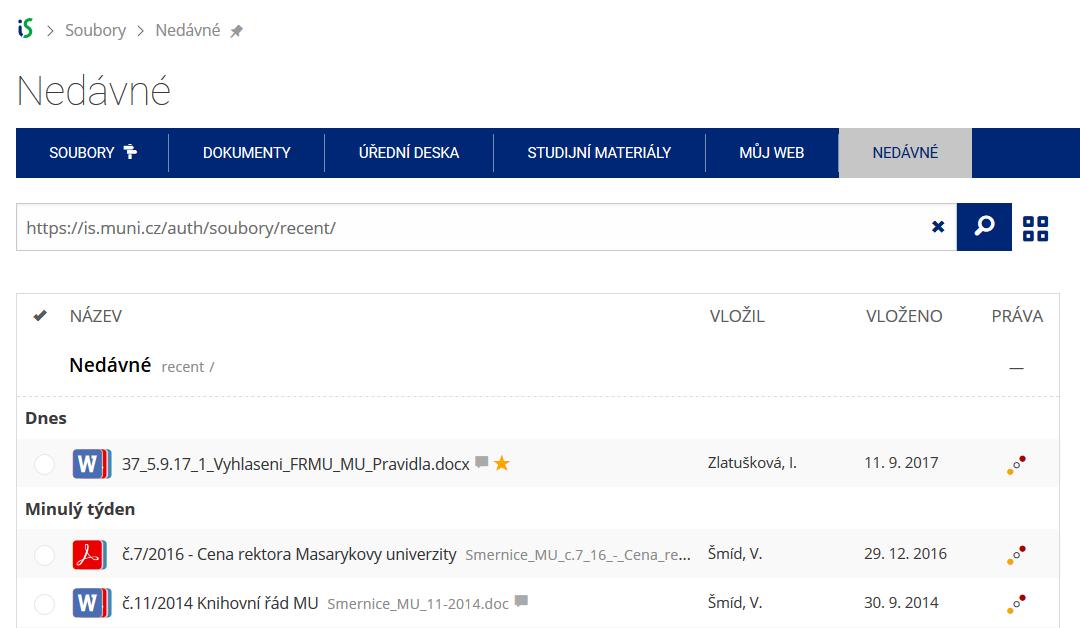 Pomocí funkce Nedávné je možné se rychle vrátit k právě prohlíženým souborům. Oblíbené soubory je také možné označit Hvězdičkou.