Závěrečná práce: Marek Hradil: Counterfactual Explainability in Digital Histopathology
Bakalářská práce
Counterfactual Explainability in Digital Histopathology
Anotace
Hluboké neuronové sítě prokazují mimořádný potenciál v řadě různých oblastí. Jejich využití v aplikacích náchylných na bezpečnost provozu je však nadále omezené kvůli jejich obtížně interpretovatelnému, tzv. „black-box“ charakteru. V této práci se proto zaměřujeme na kontrafaktuální vysvětlitelnost — metodu, která odhaluje rozhodovací proces modelu tím, že vytváří minimálně upravené vstupy vedoucí …více
Abstract
Deep neural networks have demonstrated remarkable potential across diverse domains, yet their adoption in safety-critical applications remains limited due to their opaque, black-box nature. To address this, we explore counterfactual explainability — a method that reveals model reasoning by generating minimally altered inputs that change the model’s decision. In this thesis, we apply this technique …více
Zadání práce
This thesis explores the use of generative models for counterfactual explainability in digital histopathology, focusing on their ability to generate realistic and clinically relevant modifications of histopathological images. The goal is to determine how models such as variational autoencoders (VAEs) or generative adversarial networks (GANs) can be applied to generate counterfactual images that provide valuable diagnostic insights while preserving essential histological structures.
The student will conduct a literature review of generative counterfactual methods, select and implement a suitable approach, and apply it to explain the RationAI group's model trained to detect prostate cancer. All development and evaluation will be conducted within the RationAI group's cloud infrastructure.
25. 5. 2025 17:17, RNDr. Vít Musil, Ph.D., učo 246021
 angličtina
Konzultant
Práce na příbuzné téma
Seznam prací, které mají shodná klíčová slova.
-
Explanaible AI in Digital Pathology
Mgr. Matej Gallo, Ph.D. -
Interpretace dat o molekulární dynamice proteinů s využitím nástrojů umělé inteligence
Bc. Matej Demovič -
Classification of Tissue Types in Whole Slide Images Using Pathology Foundation Models
Bc. Vojtěch Cífka -
Breast Cancer Detection Using Slide-Level Annotations
Mgr. Katarína Hudcovicová -
Cell Nuclei Instance Segmentation with Shape Descriptors
Bc. Matěj Pekár, učo 525077 -
Learning to predict the Ki67 proliferation index from histopathological images.
Mgr. Adam Kukučka, učo 524905 -
Data analysis for nuclear magnetic resonance spectroscopy
RNDr. David Porteš -
Anomaly Detection Using Deep Sparse Autoencoders for CERN Particle Detector Data
Bc. Filip Široký, učo 445415
Složky
Soubory
-
Přidání souboru
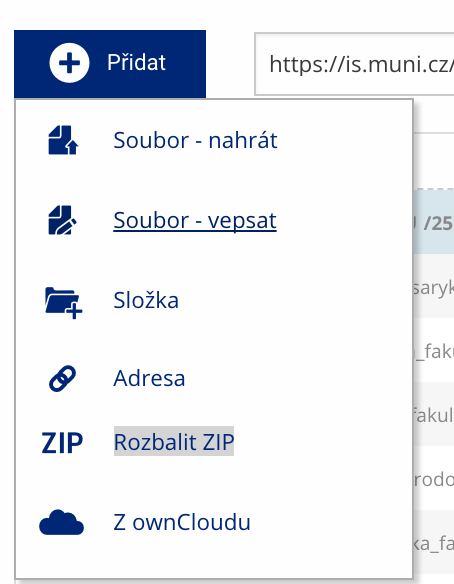 Soubor nebo složku lze nahrát pomocí tlačítka Přidat.
 -
Další operace se soubory
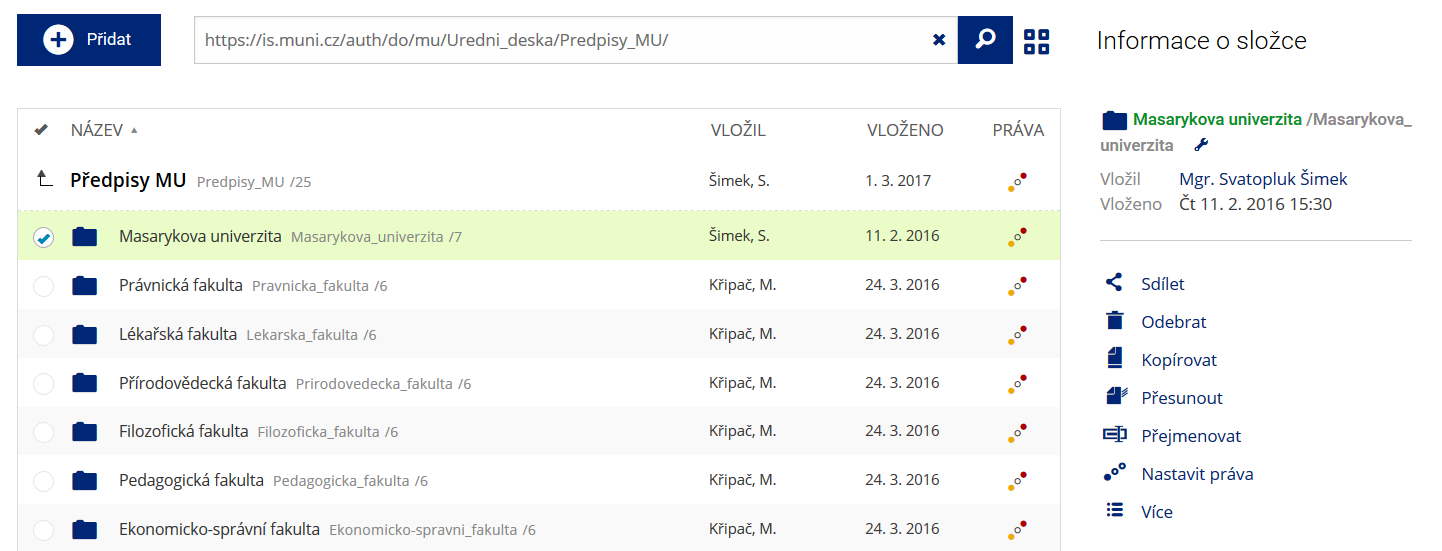 Podrobnosti lze zjistit označením příslušného řádku.
 -
Pohled pro experty
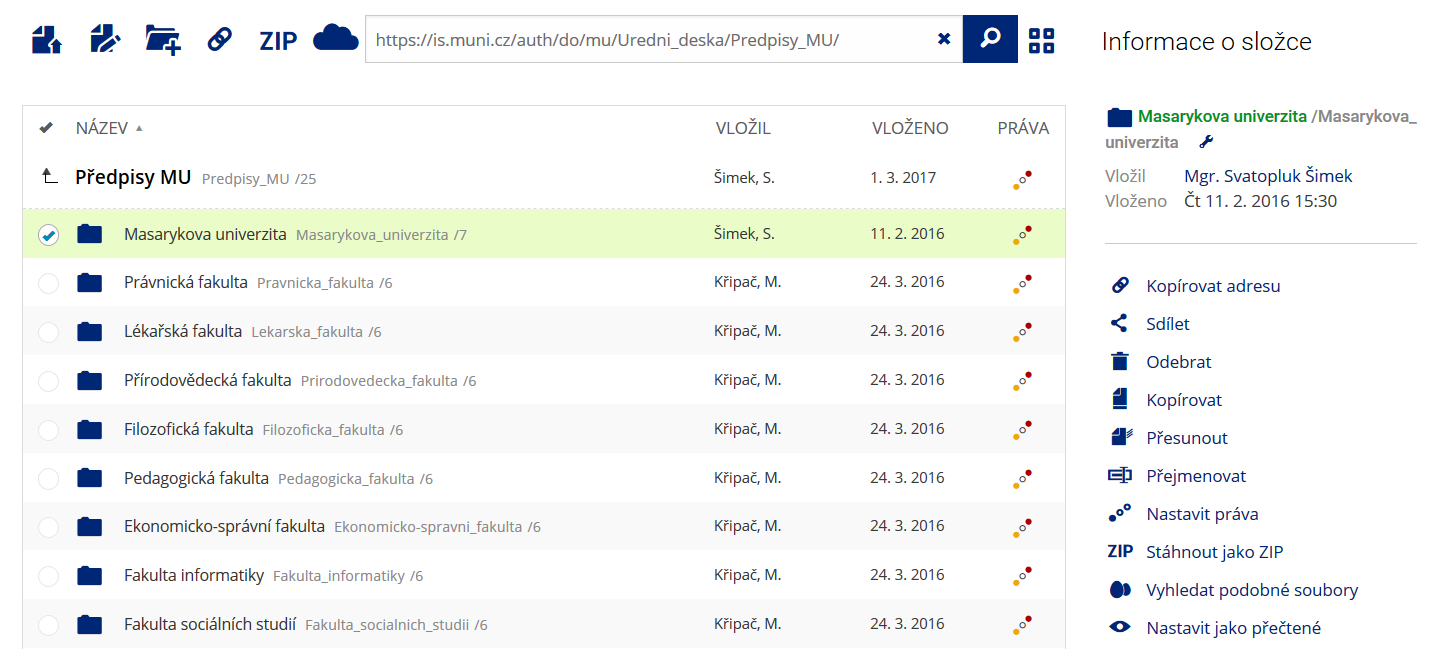 Pro častou práci je možné zvolit režim Více možností.
 -
Vyhledávání souborů
 Vyhledávaný výraz můžete zadat přímo do adresního řádku.
 -
Rychlý přístup k souborům
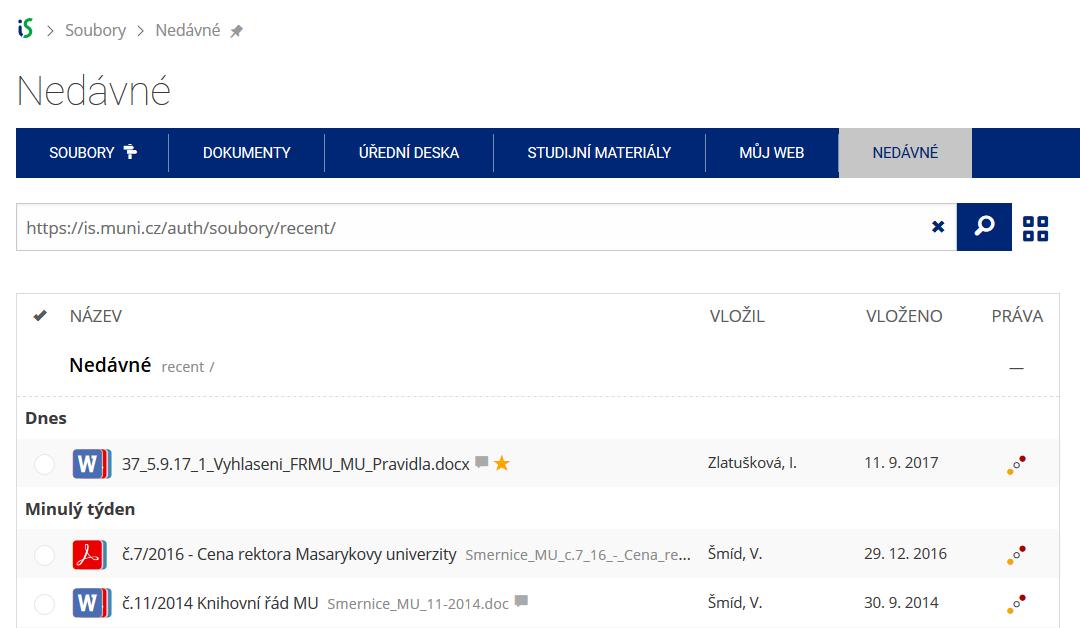 Pomocí funkce Nedávné je možné se rychle vrátit k právě prohlíženým souborům. Oblíbené soubory je také možné označit Hvězdičkou.