Závěrečná práce: Martin Drah: Tackling Energy Poverty in the Global South: A Ghanaian Perspective
Diplomová práce
Tackling Energy Poverty in the Global South: A Ghanaian Perspective
Anotace
Energetická chudoba zůstává kritickým problémem ve venkovských komunitách po celém světě, přičemž více než 1,6 miliardy lidí nemá přístup ke spolehlivé elektřině. Globální iniciativy, jako je sedmý cíl udržitelného rozvoje Organizace spojených národů (SDG7), mají za cíl zajistit univerzální přístup k cenově dostupné, spolehlivé a moderní energii do roku 2030. Tyto snahy však často přijímají přístup …více
Abstract
Energy poverty remains a critical issue in rural communities worldwide, with over 1.6 billion people lacking access to reliable electricity. Global initiatives, such as the United Nations' Sustainable Development Goal Seven (SDG7), aim to ensure universal access to affordable, reliable, and modern energy by 2030. However, these efforts often adopt a top-down, techno-material approach that may not reflect …více
Zadání práce
Energy poverty remains a critical issue in rural communities worldwide, with over 1.6 billion people lacking access to reliable electricity. Global initiatives, such as the United Nations' Sustainable Development Goal Seven (SDG7), aim to ensure universal access to affordable, reliable, and modern energy by 2030. However, these efforts often adopt a top down, techno material approach that may not reflect the actual needs and experiences of energy poor households, particularly in the Global South. This thesis analyzes a specific rural electrification policy in Ghana, the Self-Help Electrification Programme (SHEP) component of the National Electrification Scheme (NES). The study argues that despite increased electricity access, significant challenges persist due to energy injustices, particularly in recognizing and addressing the unique needs of local households. Using semi structured interviews and participatory observation, the research provides deep insights into the complex nature of energy poverty and the effectiveness of current interventions. Guided by the Energy Cultures Framework and the Energy Wellbeing Framework, the study highlights the importance of a nuanced approach that considers the specific needs of rural households to achieve energy justice and improve their wellbeing. The findings aim to inform policy amendments and contribute to the broader discourse on energy poverty in the Global South, especially in Sub Saharan Africa.
Keywords: Energy poverty, Energy Justice, Wellbeing, Rural Electrification Policy, Sub Saharan Africa, Ghana
4. 12. 2024 13:37, doc. Mgr. Hedvika Koďousková, Ph.D., učo 103008
 angličtina
Práce na příbuzné téma
Seznam prací, které mají shodná klíčová slova.
-
Energetická chudoba v Keni: Kdy rozvojové projekty nestačí – případ Lighting Africa
Bc. Emilie Kadlecová -
Rola dotačného programu Nová zelená úsporám Light v riešení energetickej chudoby
Mgr. Aneta Kudolániová -
Dopady nízko-uhlíkovej tranzície na energeticky zranitelné domácnosti
Mgr. Romana Geršicová -
The Czech Coal Commission through the Lens of Energy Justice
Mgr. Michaela Hronová -
Prípadová štúdia politík na znižovanie energetickej chudoby na Slovensku
Mgr. Dominik Bořuta -
Energetická spravodlivosť pri dostavbe 3. a 4. bloku jadrovej elektrárne Mochovce z pohľadu politických reprezentantov lokálnych komunít
Mgr. Marek Kršák -
Sic et non: spory o sociální politiku ve 20. století
Ing. Jana Slabáková -
Rozvojová politika Evropské unie: tradiční schémata nebo moderní přístupy?
Mgr. Marika Hildebrandová, učo 64029
Složky
Soubory
-
Přidání souboru
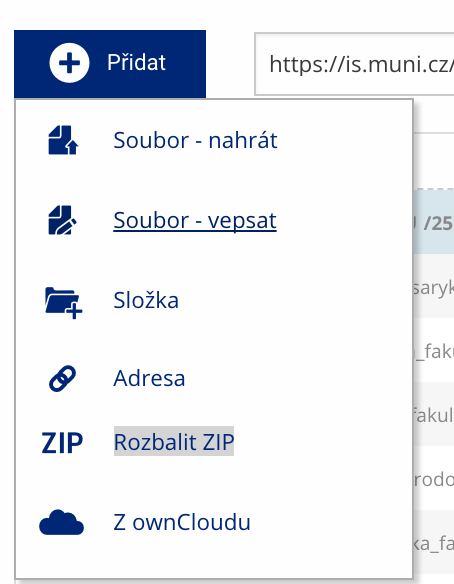 Soubor nebo složku lze nahrát pomocí tlačítka Přidat.
 -
Další operace se soubory
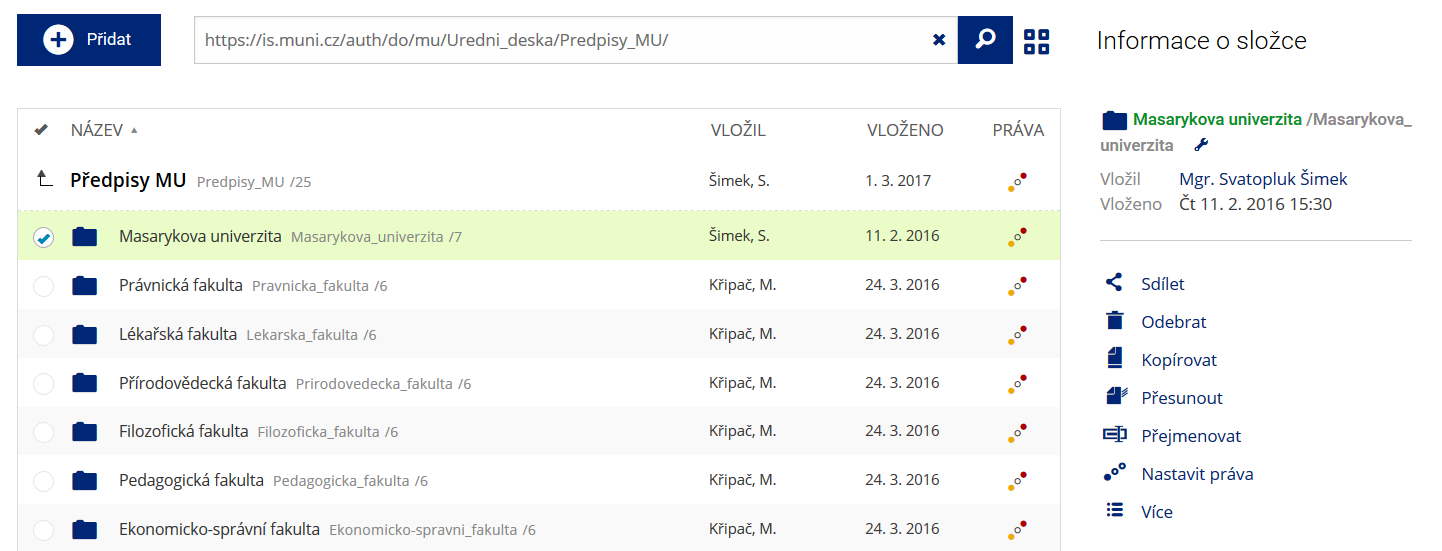 Podrobnosti lze zjistit označením příslušného řádku.
 -
Pohled pro experty
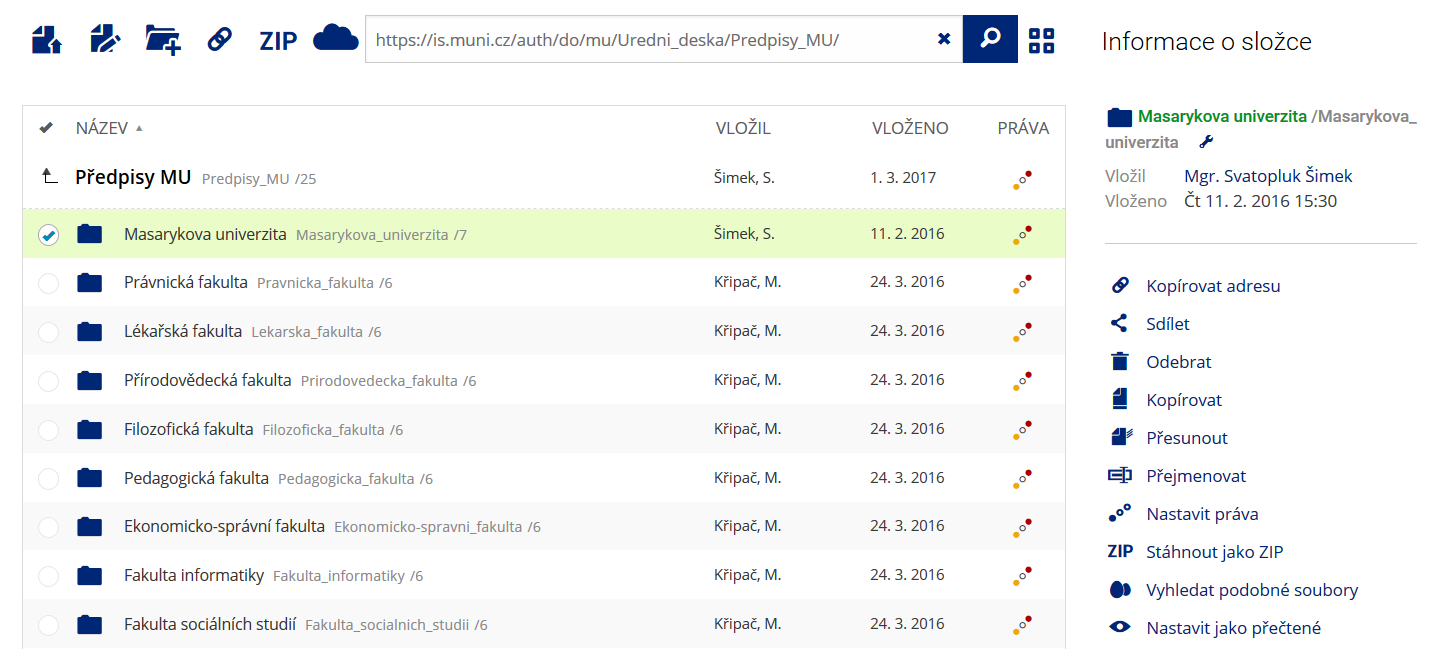 Pro častou práci je možné zvolit režim Více možností.
 -
Vyhledávání souborů
 Vyhledávaný výraz můžete zadat přímo do adresního řádku.
 -
Rychlý přístup k souborům
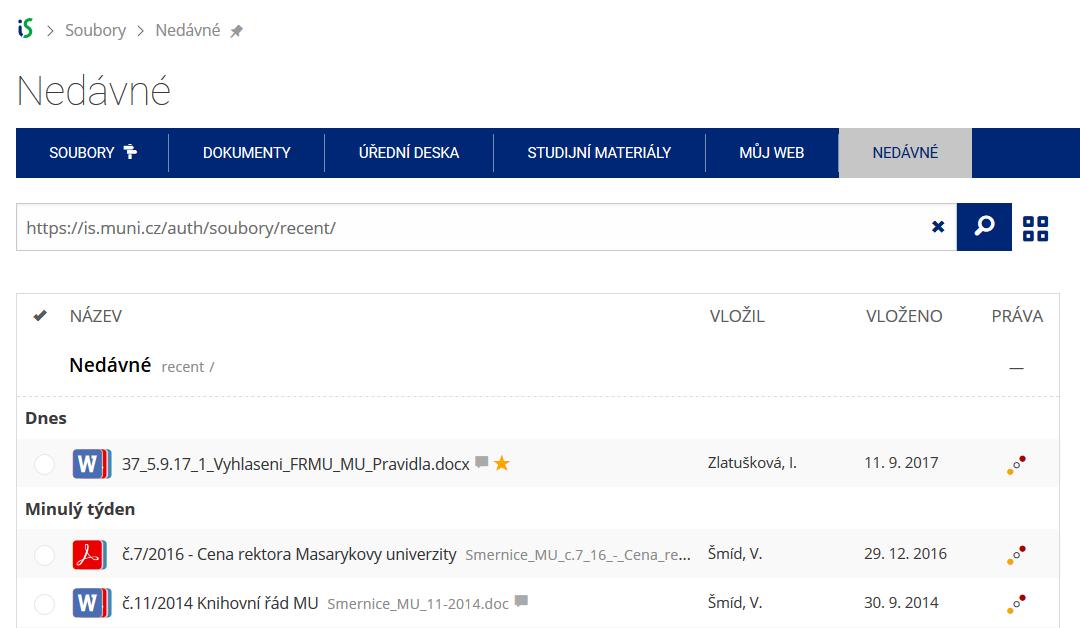 Pomocí funkce Nedávné je možné se rychle vrátit k právě prohlíženým souborům. Oblíbené soubory je také možné označit Hvězdičkou.