Závěrečná práce: Oliver Šimoník: Analyzing fault injection resistance of a modern open-source crypto-wallet
Bakalářská práce
Analyzing fault injection resistance of a modern open-source crypto-wallet
Anotace
Hardwarové krypto peněženky jsou zařízení používaná k bezpečnému uchovávání a používání kryptoměn tak, aby privátní klíče nebyly přístupné dalším, potenciálně kompromitovaným, zařízením. Tyto důvěrné klíče neopouští krypto peněženku a všechny operace s nimi jsou prováděny přímo v nich. Trezor, známý výrobce krypto peněženek s otevřeným zdrojovým kódem, poskytnul pro účely této práce dvě vývojové desky …více
Abstract
Hardware crypto wallets are devices used to store and manipulate cryptocurrencies securely without exposing the private keys to other potentially malicious devices. The sensitive keys never leave the wallet, and all signing operations with them are done locally. Trezor, a well-known manufacturer of open-source wallets, has provided us with development boards for the STM32U5A9 chip, which is closely …více
Zadání práce
The goal of this topic is to evaluate the fault-injection resistance of a new Trezor crypto wallet built by SatoshiLabs, one of the leading manufacturers of crypto wallets. The SatoshiLabs company will provide us with two development boards that the student will use to test the fault injection resistance of the processor. The processor is identical to the one that is used in the new release of the Trezor crypto wallet.
We would like to note that the processor in the scope of this thesis is the main STM32 CPU of the Trezor crypto wallet and not its secure element. The following board will be used for the fault-injection tests: https://www.st.com/en/evaluation-tools/stm32u5a9j-dk.html
The fault injection experiments will be executed using ChipWhisperer-Husky which is in possession of the CRoCS lab; the documentation for that device is under the following link: https://rtfm.newae.com/Capture/ChipWhisperer-Husky/
Two types of fault-injections experiments are in the scope of the project:
- power voltage glitching (for which only Husky is necessary) and
- electromagnetic fault injection for which the setup uses both Husky and ChipSHOUTER-PicoEMP
fault-injection probe (https://github.com/newaetech/chipshouter-picoemp).
The division of the tasks within the project is approximately: 40% prototyping and programming, 45% lab work, and 15% literature study.
26. 5. 2025 19:00, Lukasz Michal Chmielewski, PhD, učo 247858
 angličtina
Práce na příbuzné téma
Seznam prací, které mají shodná klíčová slova.
-
Preventive techniques for hardware Trojans
Mgr. Manoja Kumar Das -
Simulation-based fault-injection evaluation methodology for cryptolibraries.
Mgr. Michal Masrna, učo 514084 -
Methods for software failure-data collection and prediction
RNDr. Stanislav Chren, Ph.D., učo 255471 -
Remote firmware flashing for STM32 boards via CAN bus
Bc. Adam Valt, učo 524914 -
Firmware pro řídicí elektroniku peristaltické pumpy na platformě STM32
Bc. Albert Koziar -
Implementing Ed25519 cryptolibrary resistant to side-channel and fault injections attacks
Mgr. Lubomír Hrbáček -
Camera modules for IoT applications
Bc. Ján Feja -
Modular System for Recording Vehicle Dynamics Based on Microcontrollers
Bc. Michal Takač
Složky
Soubory
-
Přidání souboru
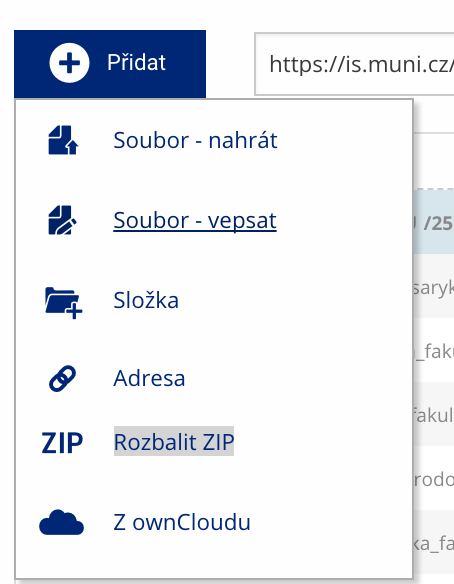 Soubor nebo složku lze nahrát pomocí tlačítka Přidat.
 -
Další operace se soubory
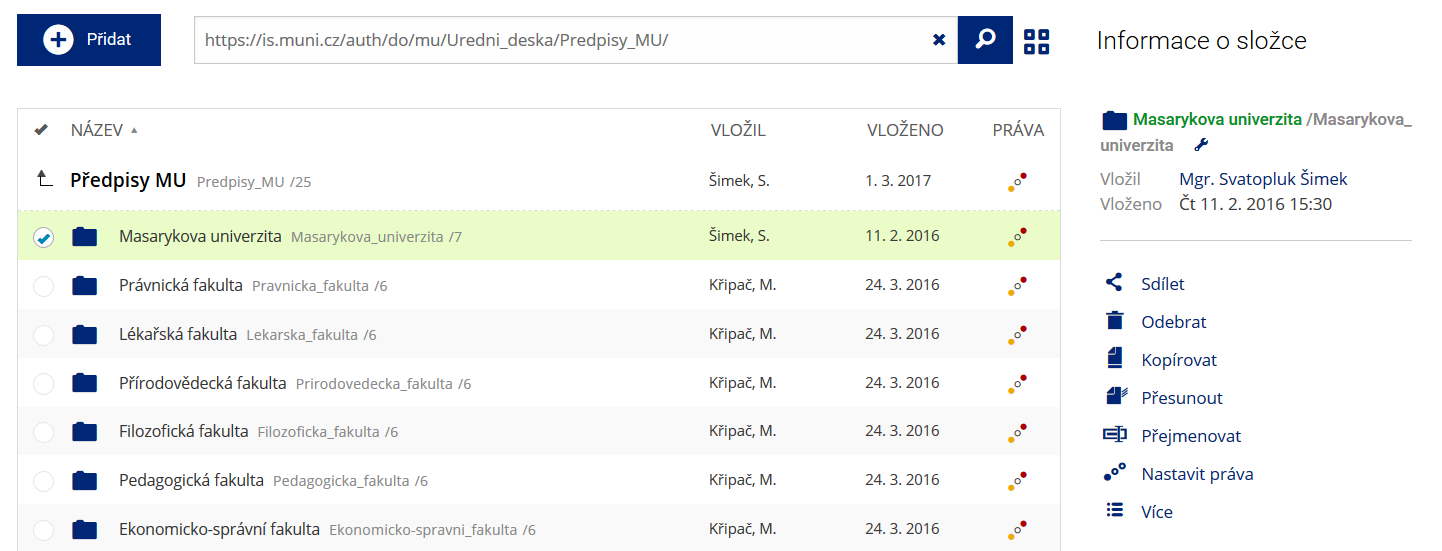 Podrobnosti lze zjistit označením příslušného řádku.
 -
Pohled pro experty
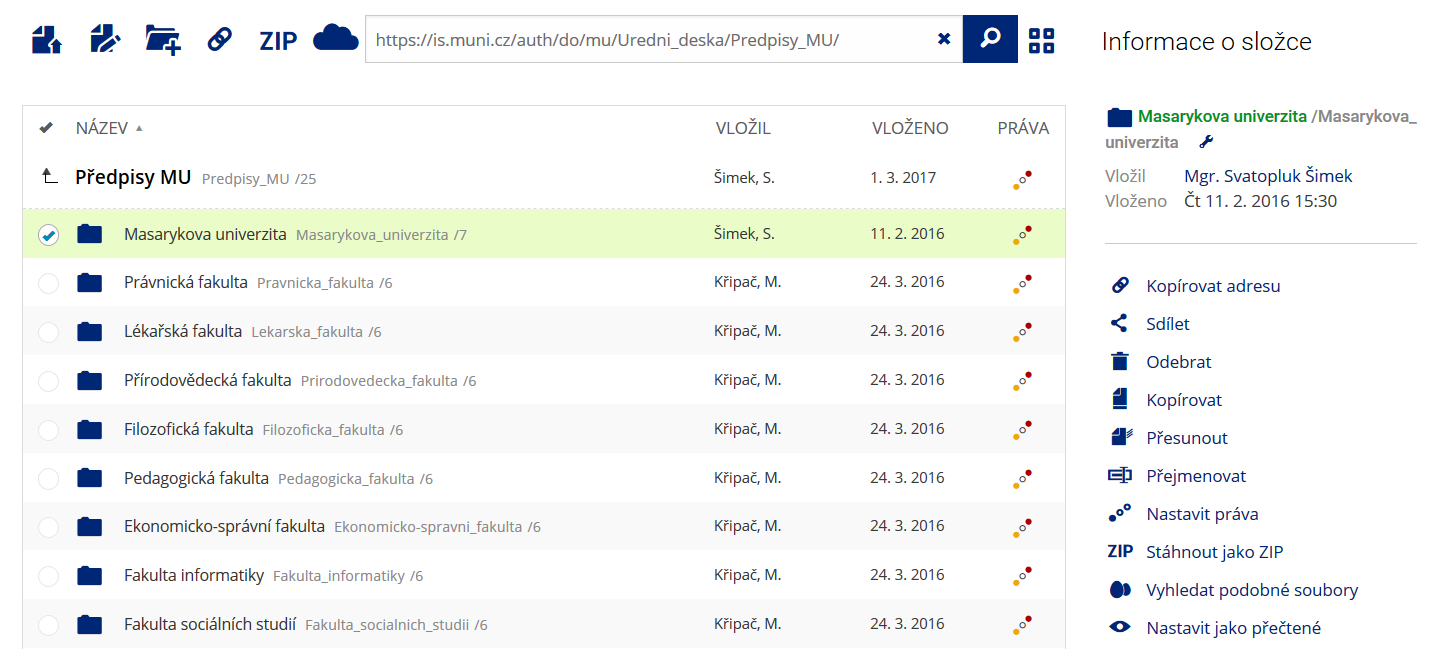 Pro častou práci je možné zvolit režim Více možností.
 -
Vyhledávání souborů
 Vyhledávaný výraz můžete zadat přímo do adresního řádku.
 -
Rychlý přístup k souborům
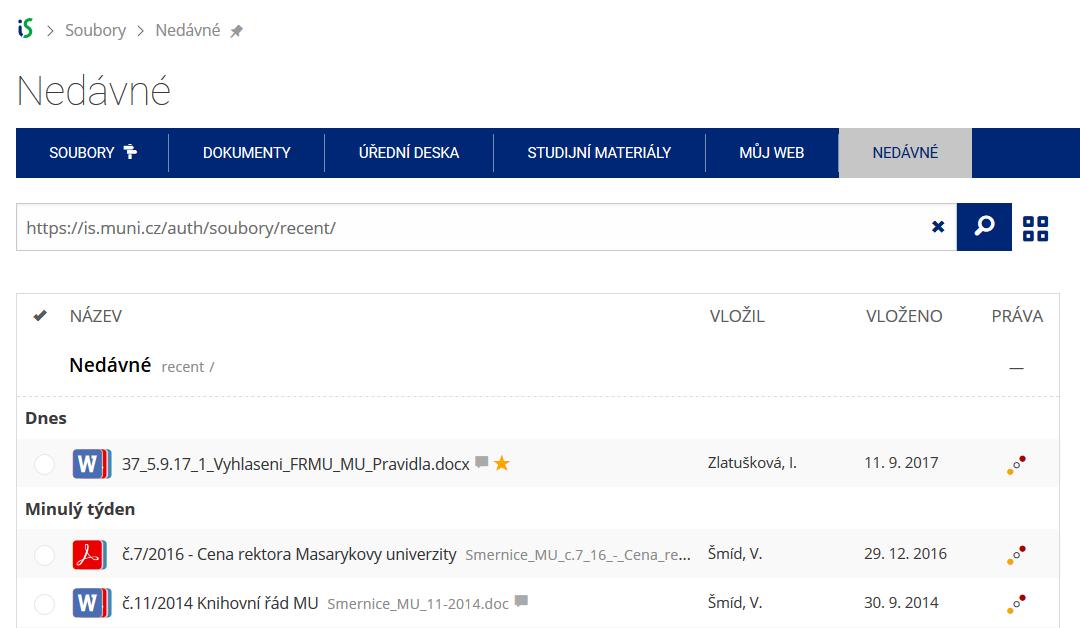 Pomocí funkce Nedávné je možné se rychle vrátit k právě prohlíženým souborům. Oblíbené soubory je také možné označit Hvězdičkou.